English
한국어
English
Español
中文
हिंदी
Home
News
Community
Dictionary
English
한국어
English
Español
中文
हिंदी
View list
Baby sedge
Carex gifuensis
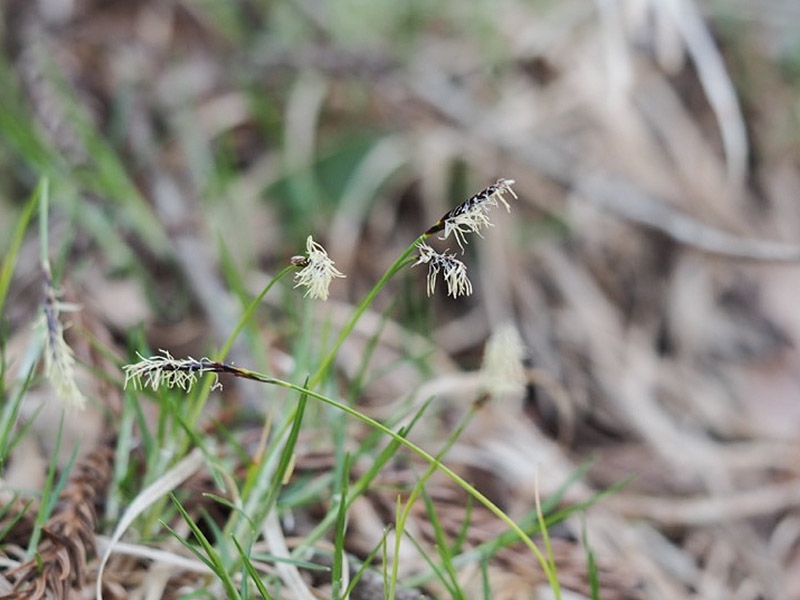
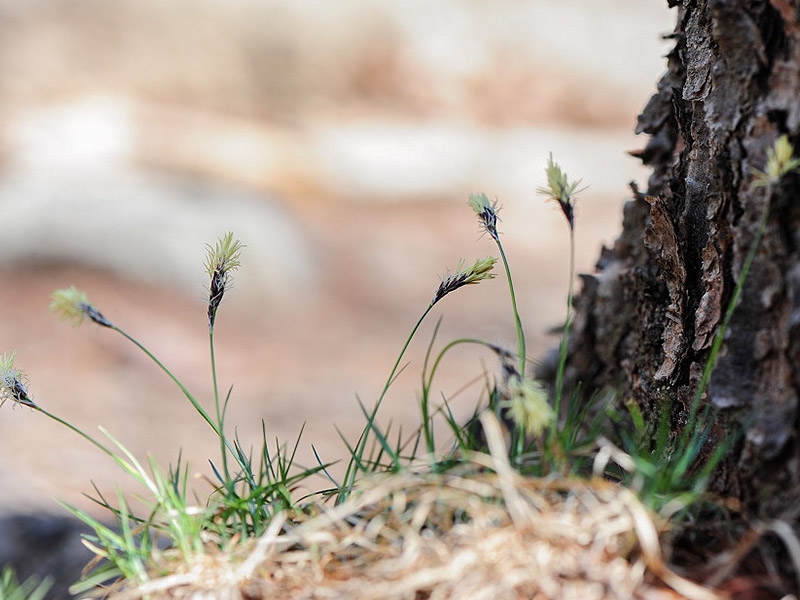
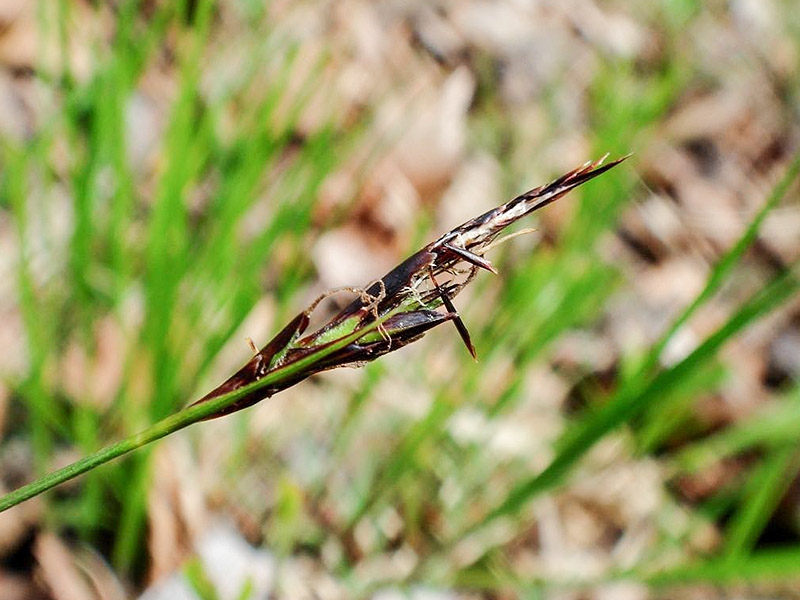
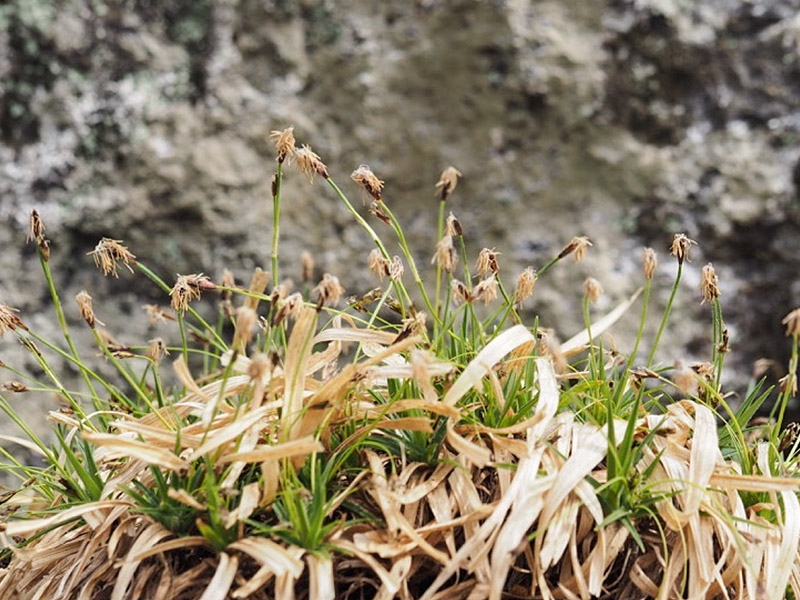
Carex gifuensis is a plant primarily found in East Asia, including Korea, Japan, and China. Below is information regarding this plant's growth characteristics, propagation methods, cultivation methods, garden uses, and major pests and control methods. Growth Characteristics - Environmental Adaptability: Carex gifuensis prefers moist environments but thrives in both shade and sunlight. - Soil: It grows healthily in well-drained soil. It adapts well to acidic, neutral, and alkaline soils. - Moisture: While it prefers a moist environment, it can adapt to dry conditions to some extent. Propagation Methods - Seed Propagation: Collect seeds and sow them directly in early spring, or germinate them indoors and transplant them. - Division Propagation: Propagation is possible by dividing roots in spring or autumn. Dig up roots that have grown to a moderate size, divide them into several pieces, and replant them. Cultivation Methods - Planting: Planting in spring or autumn is ideal. Before planting, ensure the soil is prepared to ensure sufficient drainage. - Watering: Water should be given frequently, but excessive watering should be avoided. - Fertilizer: Frequent fertilization is not necessary, but applying a light nitrogen fertilizer during the growing season is beneficial. Uses in the Garden - Ornamental: Due to its unique leaf shape and color, it is well utilized in gardens as a border plant or for ornamental purposes. - Riparian Planting: It can be used as a waterside plant when creating wetlands. Important Pests and Control Methods - Diseases: There are no particularly serious diseases, but root rot should be watched out for in overly wet environments. - Pests: Regarding pests, general somatic cell invasion should be guarded against, with particular attention paid to lice and scale insects. - Control Methods: If pests are discovered, the affected parts should be removed immediately, and insecticides can be used to prevent pests. Regular inspections should be conducted as a preventive measure, and proper drainage is especially important to prevent overwatering. By following these care guidelines, Sedges tadpoles will grow healthily and become an attractive element in your garden.
Plant Family
Cyperaceae
Height
20~30cm
Colors
purple
Bloom Period
April to June
Water Needs
commonly
Exposure
Sunny
Freezing Resistance
-20°C
Sedges glaucaeformis
Carex glaucaeformis
Mokpo Sacho
Carex genkaiensis