English
한국어
English
Español
中文
हिंदी
Home
News
Community
Dictionary
English
한국어
English
Español
中文
हिंदी
View list
Long Mokpo sedge
Carex formosensis
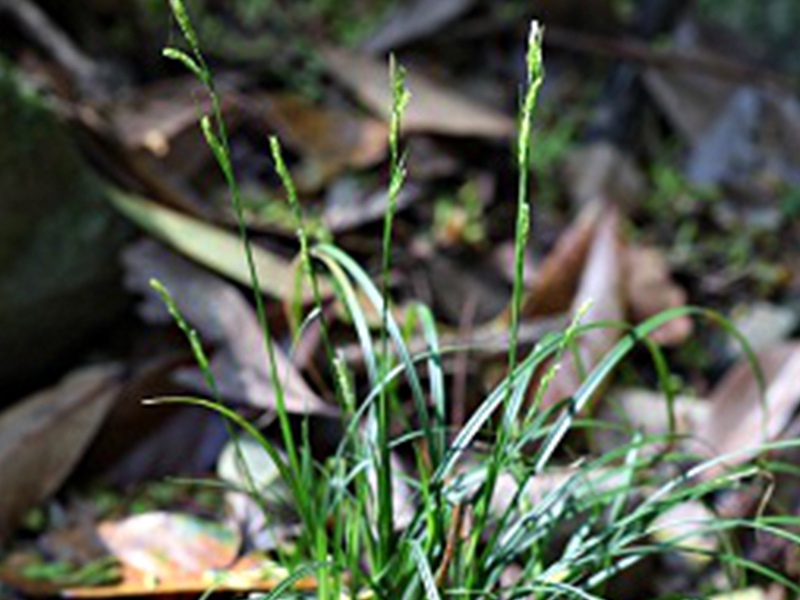
Carex formosensis is a plant native to East Asia, including Korea, and thrives in shady foothills or humid areas. The following outlines the growth characteristics, propagation methods, cultivation techniques, garden uses, major pests, and control methods for Carex formosensis. Growth Characteristics - Environment: Carex formosensis grows well in partial shade or shade and prefers well-drained, moist soil. - Height: It typically grows to a height of 30–50 cm. - Leaves: It has thin, elongated green leaves with somewhat rough edges. Propagation Methods - Seeds: It can be propagated by seeds; sow seeds in spring or autumn. - Division: Dividing the roots of a mature plant is also an effective method of propagation. Cultivation Methods - Planting: Plant in well-draining soil and water thoroughly after planting. - Watering: It prefers a humid environment, so it should be watered regularly, but care must be taken to ensure good drainage. - Fertilizer: It is recommended to apply slow-release fertilizer in the spring to promote growth. Garden Uses - Ornamental: It is well-suited for shaded gardens, ponds, or rock gardens. - Ground Plant: Due to its rapid spreading characteristics, it can also be used as a ground plant. Important Pests and Control Methods - Diseases: It is generally resistant to pests, but it may contract fungal diseases if humidity is too high. - Pests: Aphids or moth larvae may occur. - Control Methods: - For diseases, ensure good ventilation and spray fungicides if necessary. - For pests, physically remove them or use appropriate insecticides. Long-leaved sedge is a plant that can be beautifully and usefully utilized in the garden if managed in the right environment.
Plant Family
Cyperaceae
Height
30~50cm
Colors
green
Bloom Period
May~June
Water Needs
commonly
Exposure
Sunny
Freezing Resistance
-10°C
Busan Sacho
Carex fusanensis
Mountain sedge
Carex forficula