English
한국어
English
Español
中文
हिंदी
Home
News
Community
Dictionary
English
한국어
English
Español
中文
हिंदी
View list
Pale sedge
Carex eleusinoides
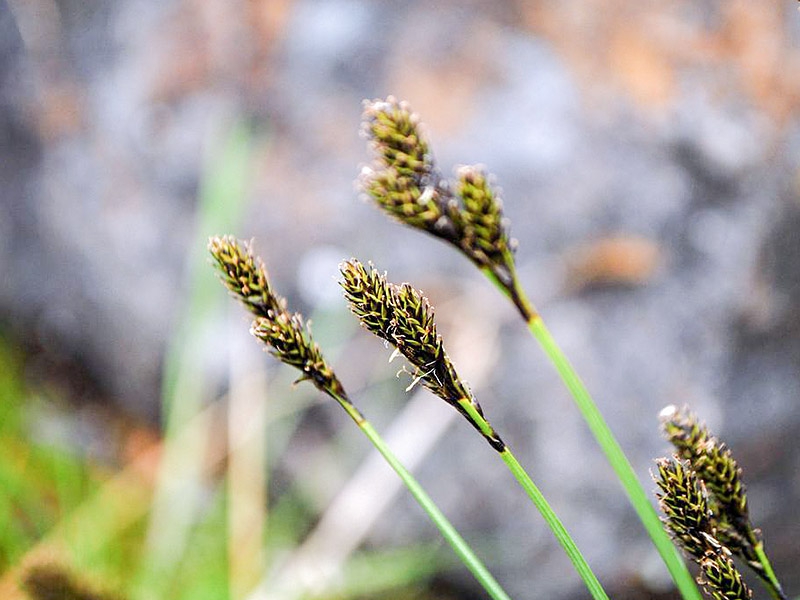
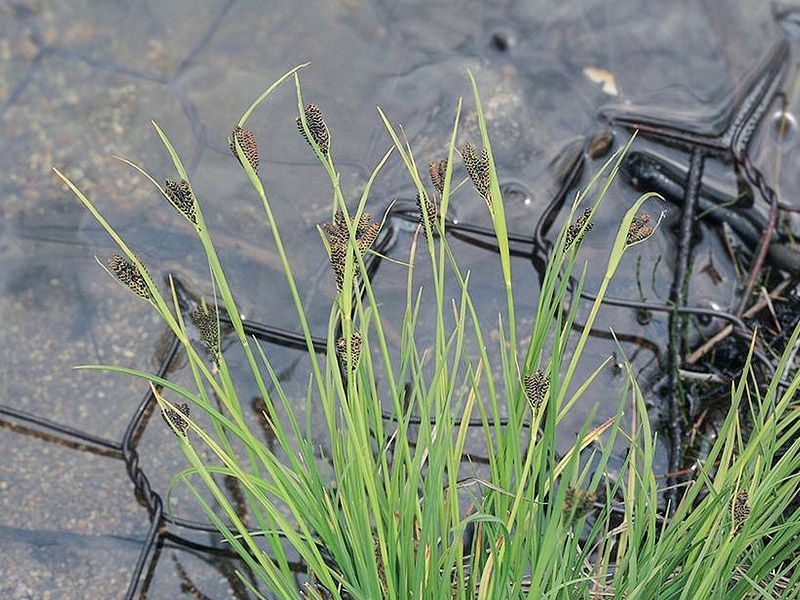
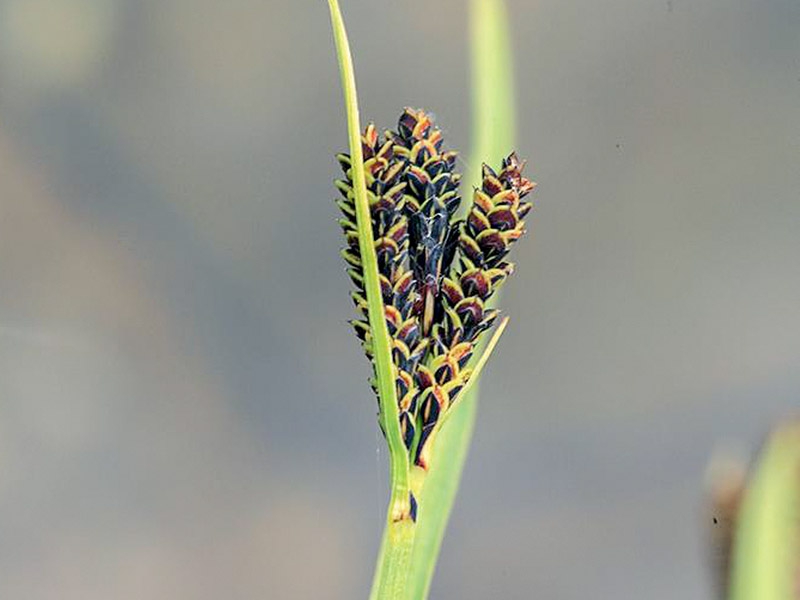
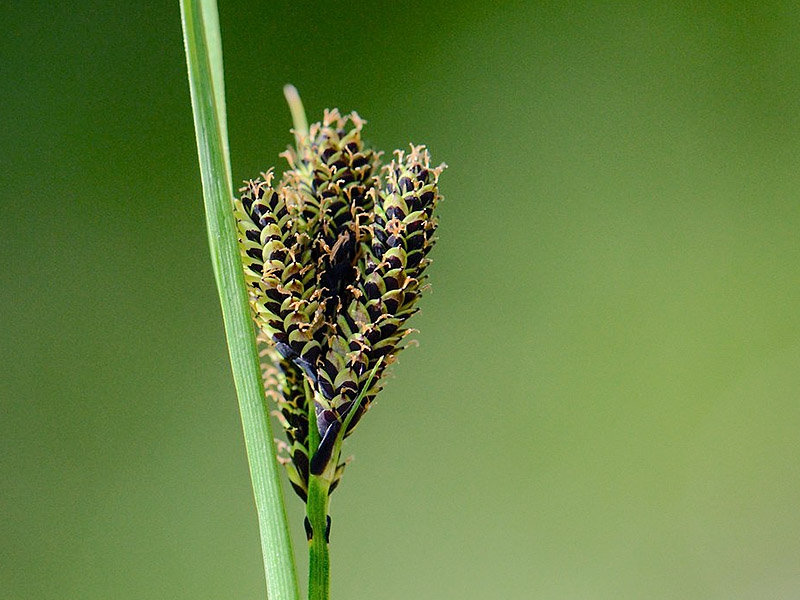
Carex eleusinoides is a plant of the Cyperaceae family native to East Asia, including Korea. The following is information regarding the growth characteristics, propagation methods, cultivation methods, garden uses, major pests and diseases, and control methods of Carex eleusinoides. - Growth Characteristics: Carex eleusinoides is a perennial herbaceous plant that thrives primarily in moist areas. It is commonly found in moist grasslands or near water in mountainous regions and adapts well to partial shade. Because it develops rhizomes to grow in colonies, it is suitable as a ground cover plant. - Propagation Methods: It is primarily propagated by seed and division. For seed propagation, it is best to collect seeds and sow them immediately or in the spring. For division, it is common practice to separate and plant the rhizomes of mature plants in the spring or autumn. - Cultivation Methods: - Soil: It prefers well-drained soil with sufficient moisture. The soil pH should be between neutral and slightly acidic. - Water Management: As this plant requires a lot of water, care must be taken to prevent it from drying out. - Light Conditions: It thrives in partial shade, but can grow without difficulty in direct sunlight. - Fertilizer: It does not require a particularly large amount of fertilizer; applying a moderate amount of organic fertilizer in the spring is sufficient. - Use in the Garden: Sedges are suitable for decorating shady gardens or watersides. They grow in clumps, and planting them alongside other herbaceous plants can create a natural landscape. They are also used as ground cover or as garden boundary plants. - Major Pests and Control Methods: Sedges are relatively resistant to pests and diseases, but root rot may occur in environments with excessive moisture. - Root Rot: Improve drainage, and immediately remove any diseased parts to prevent the spread of the disease. - To prevent diseases, adjust the amount of watering to avoid overwatering, and use fungicides if necessary. Based on this information, you will be able to grow healthy Sedum sarmentosum. I hope you utilize this appropriately in your garden to help create a natural space.
Plant Family
Cyperaceae
Height
20~50cm
Colors
purple, green
Bloom Period
June
Water Needs
commonly
Exposure
Sunny
Freezing Resistance
-30°C
Halla sedge
Carex erythrobasis
Narae sedge
Carex egena