English
한국어
English
Español
中文
हिंदी
Home
News
Community
Dictionary
English
한국어
English
Español
中文
हिंदी
View list
Forest sedge
Carex drymophila
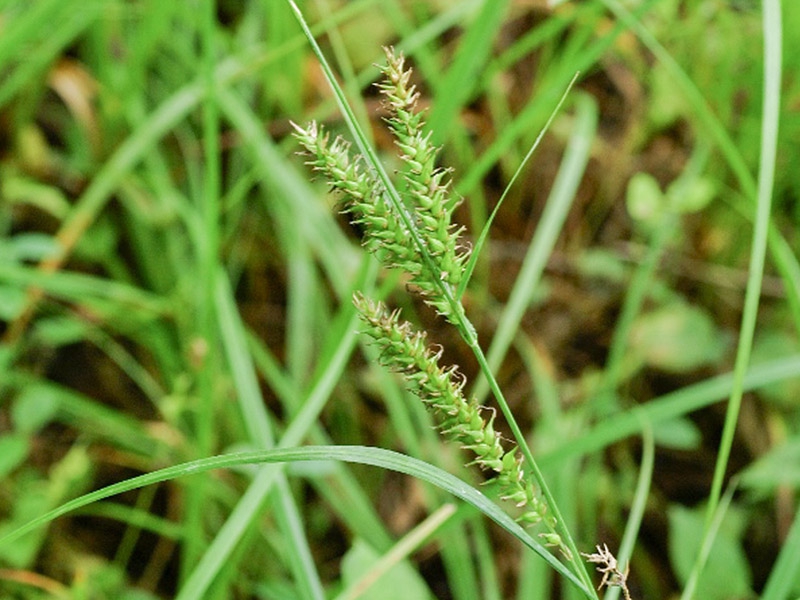
Carex drymophila is a perennial herb that grows primarily in forest areas and prefers moist soil. This plant thrives in shady spots within forests, and maintaining adequate humidity and drainage is important. Growth Characteristics: - It grows to a height of approximately 30–60 cm, and its leaves are slender and long. - Flowers bloom in spring or early summer, forming spike-shaped inflorescences. Propagation Methods: - It is primarily propagated by seeds. Seeds can fall naturally after maturation or be collected and sown artificially. - Propagation is also possible through division. Simply divide the roots and plant them in spring or autumn. Cultivation Methods: - Well-drained and fertile soil is ideal. - It should receive moderate sunlight, but strong direct sunlight should be avoided. - Water frequently, but it is important to create an environment with good drainage. Garden Use: - Forest sedge thrives in shady gardens or moist flowerbeds, creating a natural landscape. - It is also suitable for planting in rock gardens or along the edges of wooden decks. Important Pests and Control Methods: - Forest sedge is relatively resistant to pests and diseases, but it may be susceptible to root rot if the soil is excessively wet. - Prevent this by ensuring thorough drainage and minimizing the use of chemical fertilizers. - Aphids may be present as pests; to prevent this, inspect the leaves regularly and use soapy water or garden pesticides if necessary. This information covers general care for forest sedge, and there may be slight variations depending on regional climate and soil conditions.
Plant Family
Cyperaceae
Height
40~100cm
Colors
green
Bloom Period
May to June
Water Needs
well
Exposure
Sunny
Freezing Resistance
-30°C
Wild sedge
Carex duriuscula
white sedge
Carex doniana