English
한국어
English
Español
中文
हिंदी
Home
News
Community
Dictionary
English
한국어
English
Español
中文
हिंदी
View list
slender sedge
Carex disperma
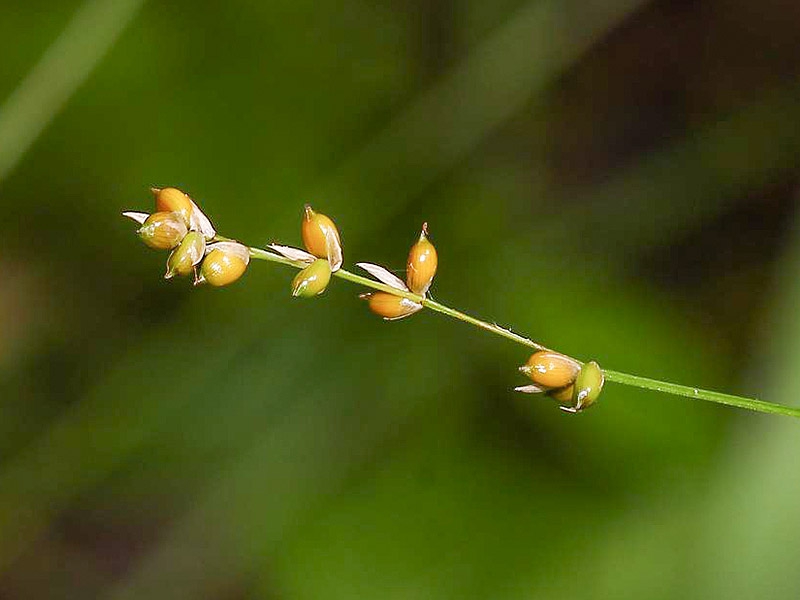
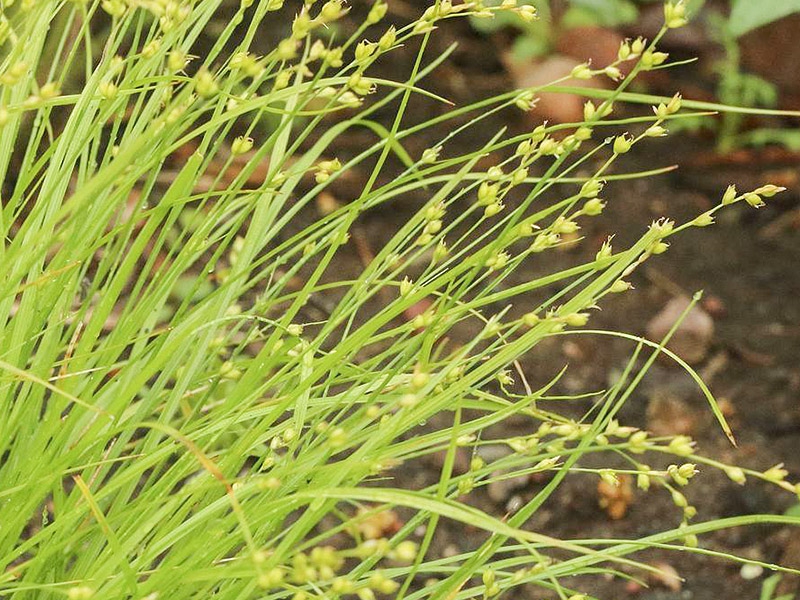
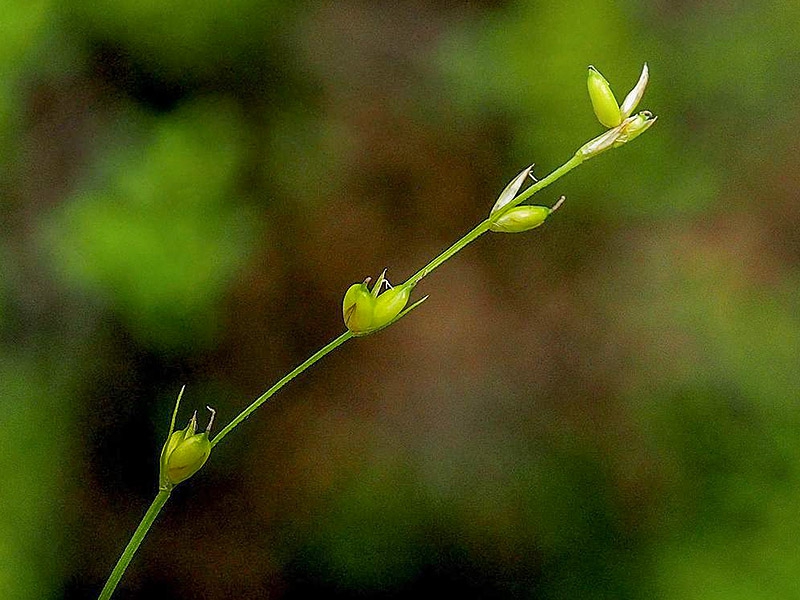
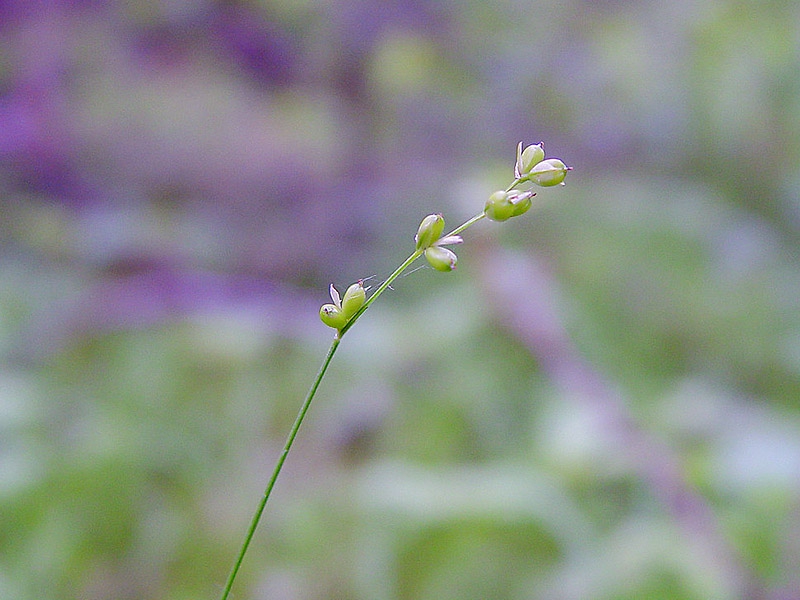
Carex disperma is a perennial herbaceous plant that grows primarily in wetlands or shady areas. I will explain its growth characteristics, propagation methods, cultivation methods, garden uses, and pest and disease control methods. Growth Characteristics Carex disperma prefers moisture and thrives in partial shade or shaded environments. Suitable soil conditions require good drainage while maintaining consistent moisture. This plant is mainly found in temperate and cold climate regions of the Northern Hemisphere. Propagation Methods - Seed Propagation: It can be propagated by sowing seeds in spring or autumn. Cool temperatures are required for germination. - Division Propagation: It can also be propagated by dividing the root portion in autumn or early spring. Cultivation Methods - Soil: It requires soil with good drainage and moisture retention. Soil rich in organic matter is suitable. - Watering: Water consistently, taking care to keep the soil from drying out. - Sunlight: It grows well in partial shade or shade, and it is best to avoid direct, strong sunlight. Use in the Garden Sedges are primarily suitable for shaded areas or wetlands in the garden. They are excellent choices for creating a natural landscape. They blend well with other shade plants and are relatively easy to care for if the environment is well maintained. Important Pests and Control Methods While they are generally resistant to pests, root rot can occur if the soil becomes waterlogged. - Prevention of Root Rot: Ensure good drainage and avoid overwatering. - General Diseases: Prevent fungal diseases by maintaining an environment with good air circulation. - Pest Control: Snails or slugs may rarely occur; these can be removed manually or using appropriate pesticides. By following these methods, you can grow healthy sedges and utilize them as a beautiful plant in your garden.
Plant Family
Cyperaceae
Height
20∼50cm
Colors
green
Bloom Period
June~July
Water Needs
well
Exposure
semi-shaded area
Freezing Resistance
-30°C
white sedge
Carex doniana
Satgatsacho
Carex dispalata