English
한국어
English
Español
中文
हिंदी
Home
News
Community
Dictionary
English
한국어
English
Español
中文
हिंदी
View list
Satgatsacho
Carex dispalata
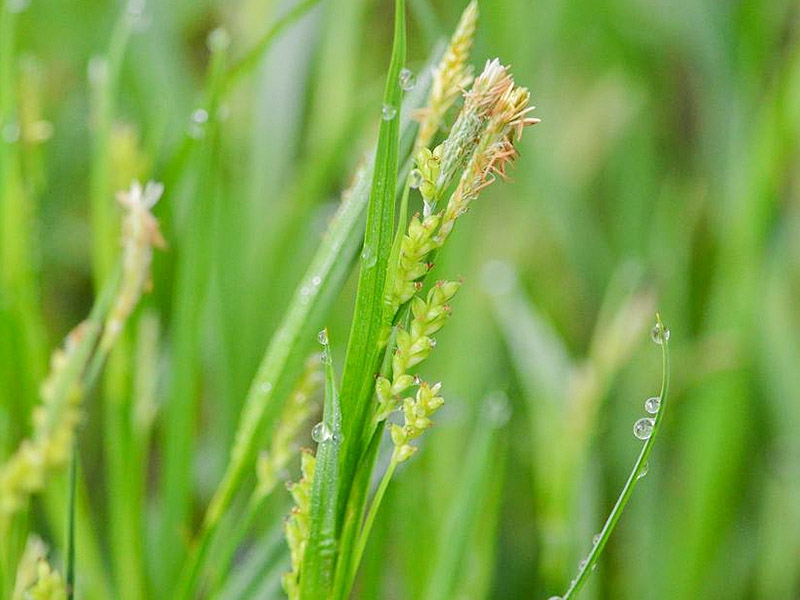
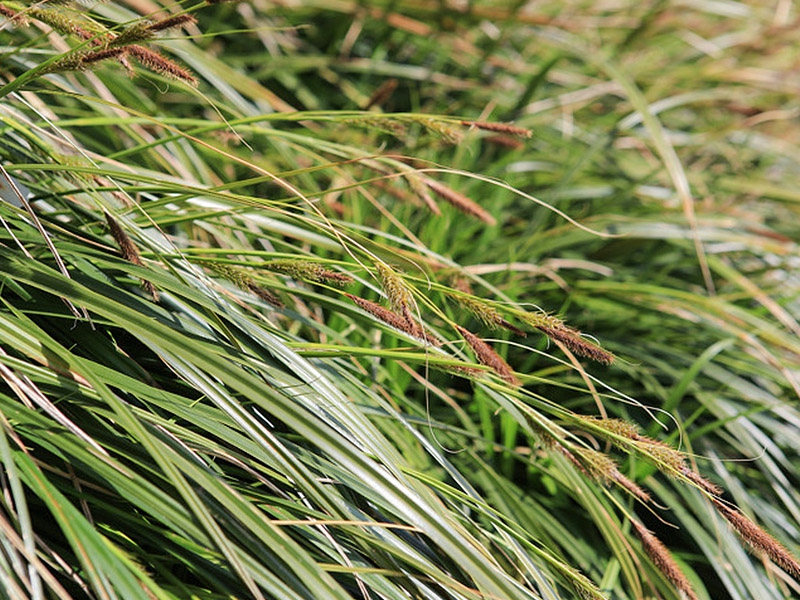
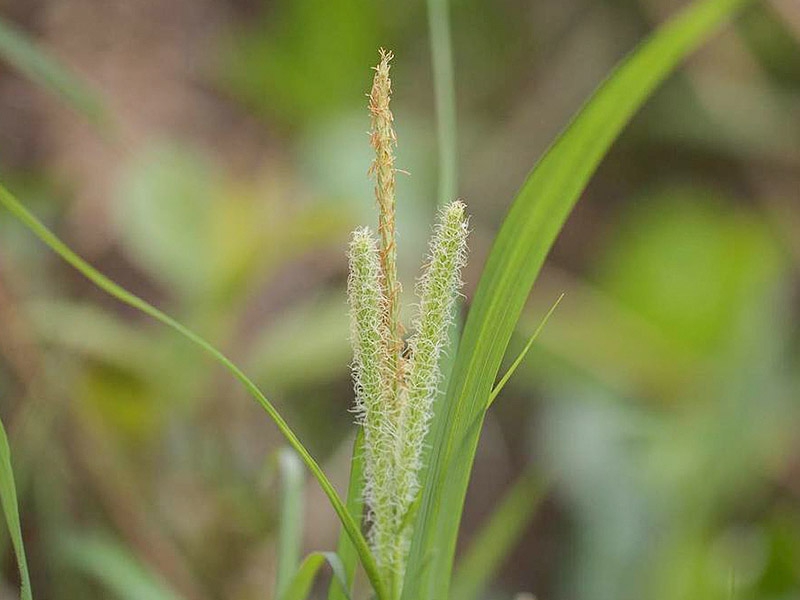
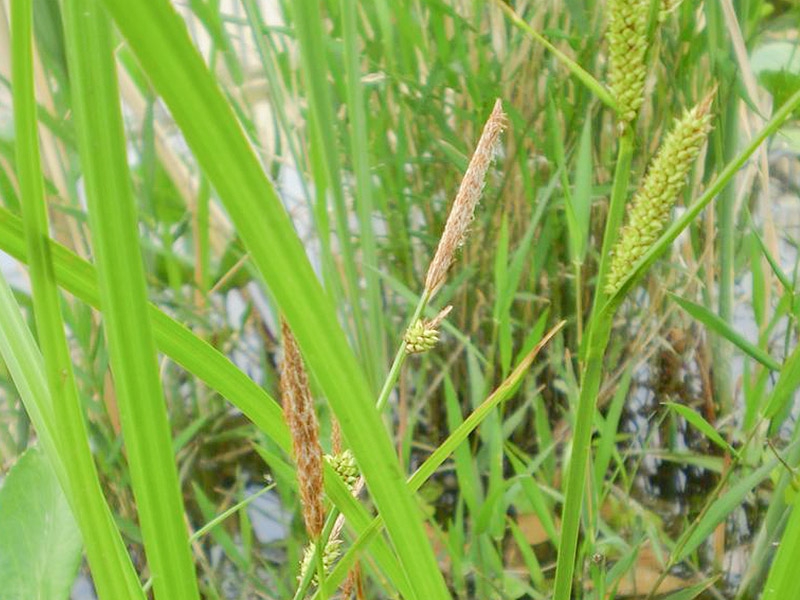
Carex dispalata is a perennial plant native to Korea, Japan, China, and other regions. The following is information regarding the growth characteristics, propagation methods, cultivation methods, garden uses, and major pests and diseases and control methods of Carex dispalata. Growth Characteristics - Environment: It thrives in partial shade. Since it grows naturally near water or in wetlands, it prefers well-drained yet moist soil. - Height: It typically grows to about 30–60 cm. - Leaves: It has thin, long leaves with potentially rough edges. Propagation Methods - Seeds: It can be propagated using mature seeds. Spring or autumn is the appropriate time for sowing. - Division: Propagating by dividing root clumps in spring or early autumn is an effective method. Cultivation Methods - Soil: It is important to plant in well-drained soil and provide sufficient water. - Watering: Water frequently, but be careful to prevent water from pooling. - Fertilization: It is recommended to apply general greenhouse fertilizer in spring and autumn. - Care: Keep the plant tidy by removing fallen leaves or dry leaves as needed. Uses in the Garden - Landscape: Its natural appearance makes it suitable for planting in wetland gardens or along waterfronts. - Environment Creation: It can be effectively utilized when restoring riparian ecosystems or creating wetland landscapes. Important Pests and Control Methods - Diseases: It is generally resistant to diseases, but it may contract fungal diseases due to excessive moisture or lack of ventilation. - Control Methods: Adjust planting spacing to ensure good ventilation, and use fungicides if necessary. - Pests: There are no specific pests, but pesticides can be used if pests cause problems. We hope this information helps you effectively grow and care for Carex dispalata in your garden.
Plant Family
Cyperaceae
Height
40~100cm
Colors
White, brown, green
Bloom Period
May~June
Water Needs
well
Exposure
Sunny
Freezing Resistance
-30°C
slender sedge
Carex disperma
dwarf sedge
Carex conica