English
한국어
English
Español
中文
हिंदी
Home
News
Community
Dictionary
English
한국어
English
Español
中文
हिंदी
View list
Mountain sedge
Carex capillaris
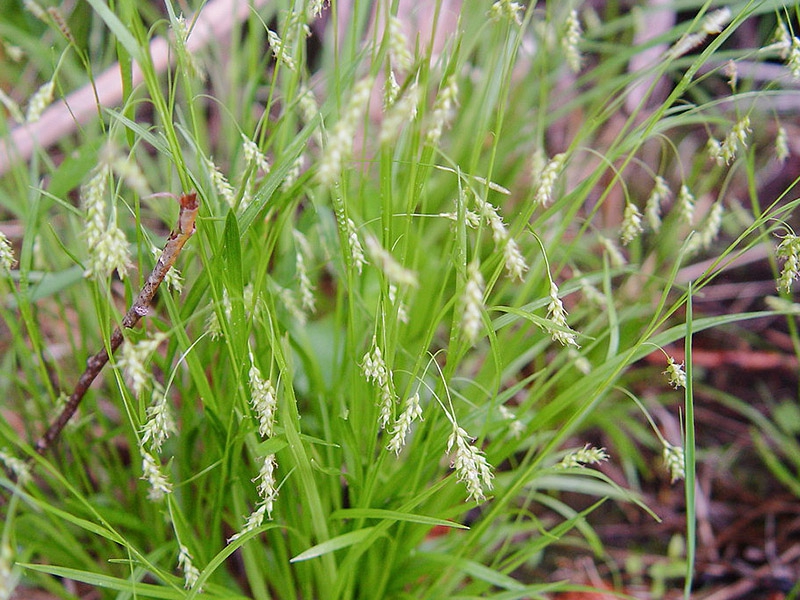
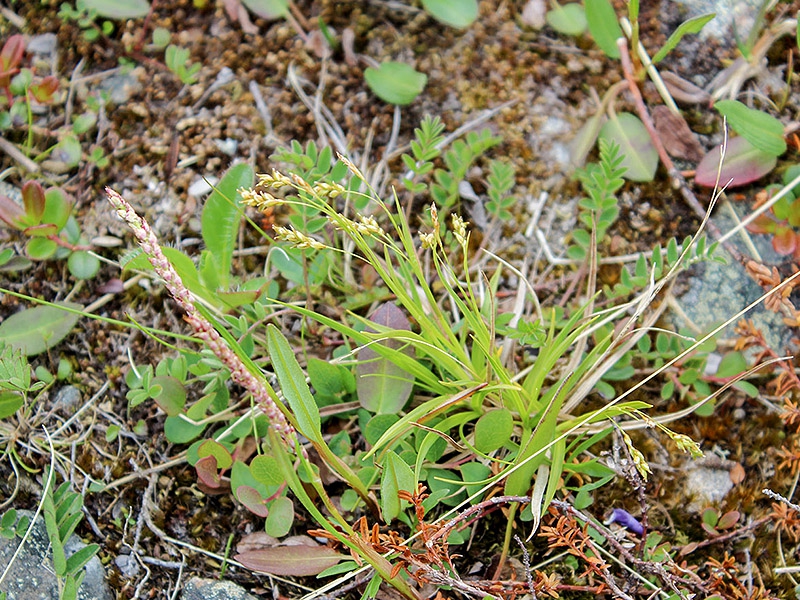
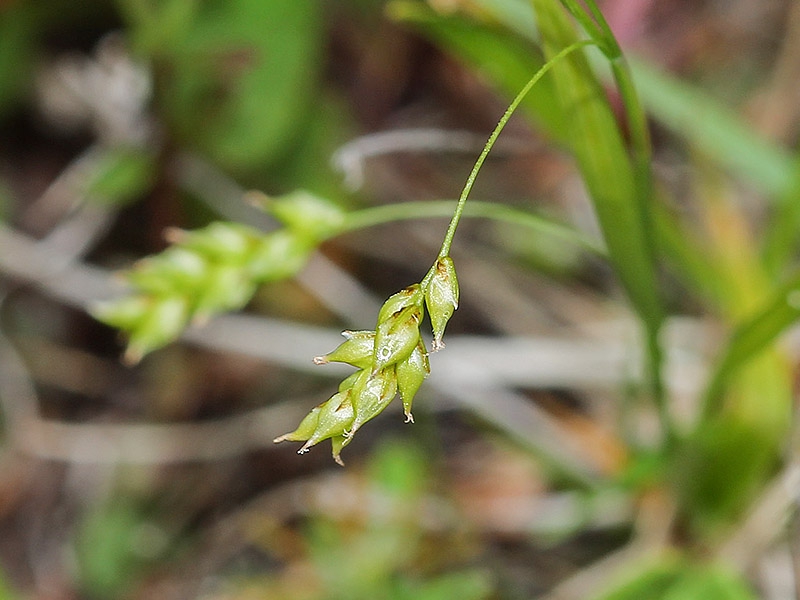
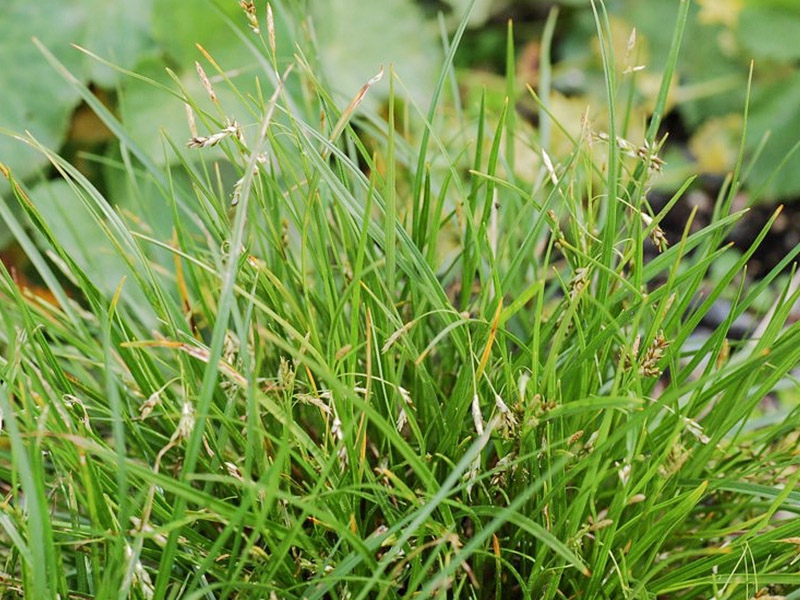
Carex capillaris is a perennial plant that prefers moist environments and is native primarily to boreal and subarctic regions. I will explain the growth characteristics of this plant by dividing them into propagation methods, cultivation methods, garden uses, and pest and disease control methods. Growth Characteristics - Environment: Carex capillaris thrives in moist forests and mountain meadows. It prefers an environment that is well-drained yet maintains a consistent level of moisture. - Soil: While it can grow in various soil types, it thrives best in soil rich in organic matter and containing mucilage. - Sunlight: It prefers partial shade to shaded areas, but it also grows well in places where it receives some direct sunlight. Propagation Methods - Seeds: It can be propagated by sowing seeds directly in spring or autumn. Seeds have a high germination rate, but due to their very small size, they require careful management. - Division: It can be propagated by dividing root clumps in early spring or autumn. This method is relatively fast and has a high success rate. Cultivation Methods - Planting: Plant by division or seeds at appropriate intervals. After planting, water thoroughly to maintain consistent moisture. - Care: Remove weeds to prevent growth and apply fertilizer appropriately as needed. It can overwinter without special preparation. Uses in the Garden - Mountain Care thrives under various conditions, making it suitable as a ground cover in shady or humid areas. It can also be used as a landscaping plant to create a natural landscape. Important Pests and Control Methods - Disease Issues: Mountain Care is a relatively disease-resistant plant. However, fungal diseases may occur in areas with excessive moisture or dense conditions. To prevent this, ensure good ventilation and use fungicides if necessary. - Pest Issues: It generally suffers little damage from pests, but pests that gnaw on leaves or stems may occasionally occur. If pests appear, control them by using appropriate insecticides or removing the affected parts. - Pest Issues If you manage mountain sedge well by considering these characteristics and methods, you will be able to continuously maintain a beautiful garden.
Plant Family
Cyperaceae
Height
10~20cm
Colors
White, brown, green
Bloom Period
July~August
Water Needs
commonly
Exposure
Sunny
Freezing Resistance
-20°C
sedge
Carex capricornis
Small pine needle sedge
Carex capillacea