English
한국어
English
Español
中文
हिंदी
Home
News
Community
Dictionary
English
한국어
English
Español
中文
हिंदी
View list
Galmi sedge
Carex bigelowii
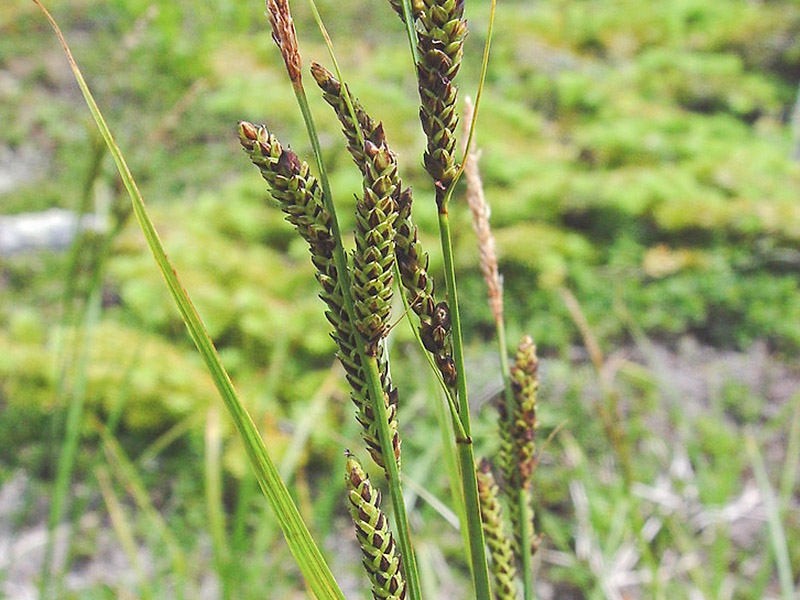
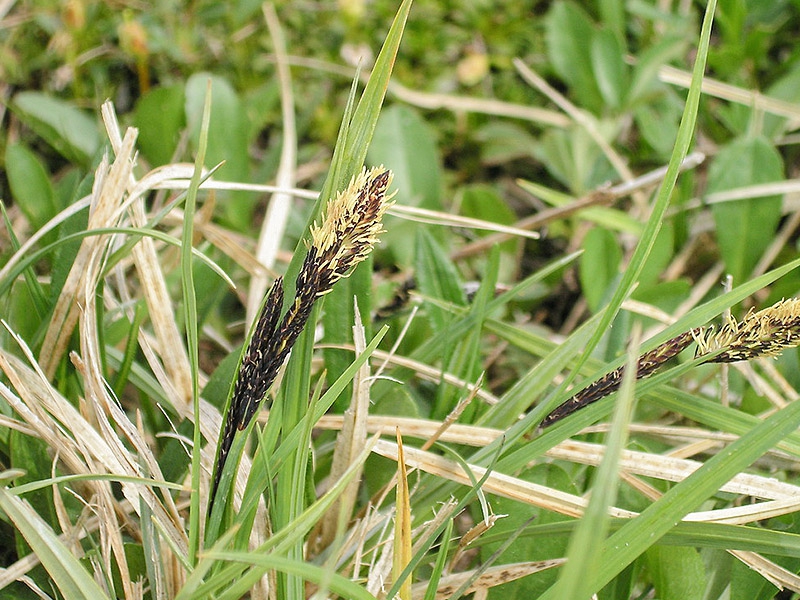
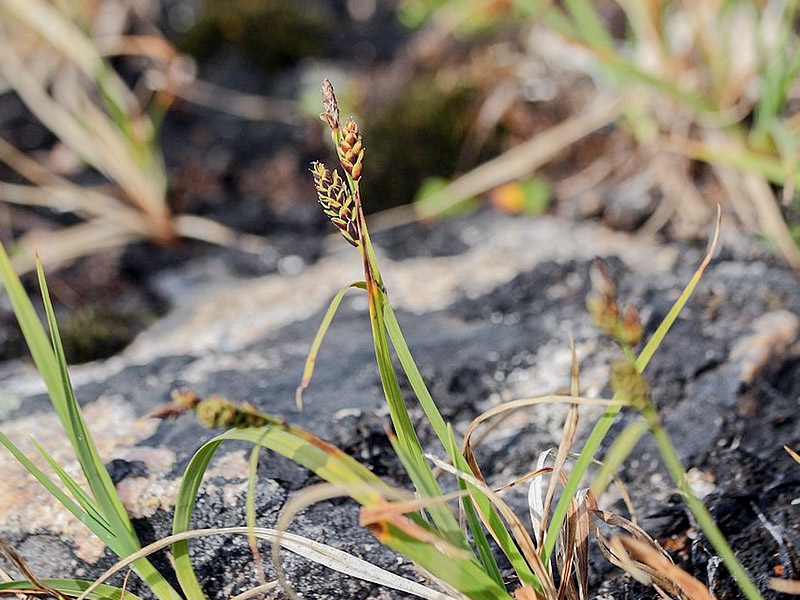
Carex bigelowii is a perennial plant that grows in cold regions of the Northern Hemisphere. It thrives even in extreme environments such as alpine regions and the Arctic Circle, and primarily prefers moist soil. Growth CharacteristicsCarex bigelowii forms colonies via rhizomes, and its leaves grow thin and straight. It reproduces by forming brown or black flower spikes during the summer. It is highly resistant to cold weather and can survive well even under low nutrient conditions. Reproduction MethodsThis plant primarily reproduces through seeds. Pollen is dispersed by wind, facilitating pollination. It also forms new individuals by expanding outwards via rhizomes. Cultivation MethodsSince Carex bigelowii prefers cool and humid environments, it is important to provide these conditions. It should be planted in well-drained soil, and moisture should be maintained by supplying water appropriately as needed. As it adapts well to natural environments rather than fertile soil, special fertilizers are not required. However, a small amount of organic fertilizer may be applied during the initial growth stage. Uses in GardensSedges are primarily used for ornamental purposes in natural gardens or flower gardens. Planting them in shady and humid areas can create a natural look. Due to their strong cold tolerance, they can maintain their appearance without color changes even during the winter. Important Pests and Control MethodsSedges are relatively resistant to pests and diseases. However, fungal diseases may occur in environments with excessively high humidity or poor ventilation. To prevent this, maintain proper spacing to ensure good ventilation, and use fungicides if necessary. Pests can be controlled through physical removal or the use of natural insecticides.
Plant Family
Cyperaceae
Height
10~30cm
Colors
White, brown, green
Bloom Period
May to July
Water Needs
commonly
Exposure
semi-shaded area
Freezing Resistance
-40°C
pine needle sedge
Carex biwensis
long-tailed sedge
Carex benkei