English
한국어
English
Español
中文
हिंदी
Home
News
Community
Dictionary
English
한국어
English
Español
中文
हिंदी
View list
Bone grass
Carex aphanolepis
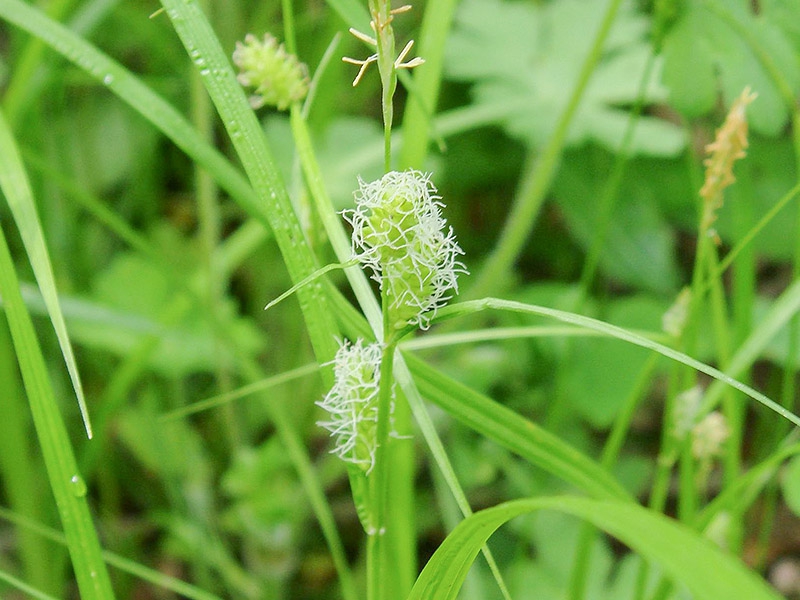
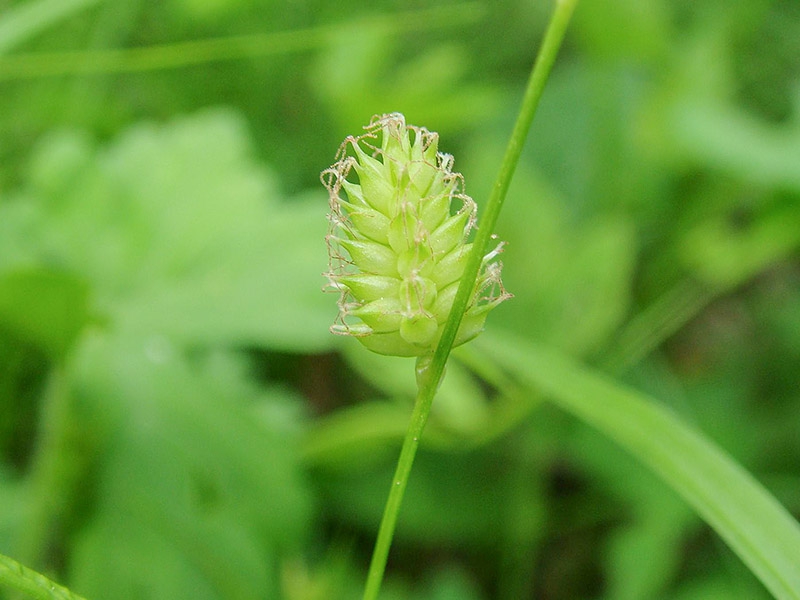
Carex aphanolepis is a plant native to Korea, Japan, and other regions, and is frequently found in wetlands or near water. The following is information regarding Carex aphanolepis’s growth characteristics, propagation methods, cultivation methods, garden uses, and major pests and diseases and control methods. - Growth Characteristics: - As a perennial herbaceous plant, it grows to a height of approximately 30–60 cm. - It prefers humid environments and thrives in full sunlight or partial shade. - Propagation Methods: - It is primarily propagated by seeds and root division. - It is best to sow seeds in spring or autumn. Root division is ideally performed in spring. - Cultivation Methods: - Well-drained soil is suitable, and consistent watering is important. - Fertilization is not strictly necessary, but a small amount of fertilizer can be applied during the growing season to aid growth. 4. Uses in the Garden: - It is used to naturally create wetlands or watersides and is also effective in preventing soil erosion. - It is excellent for natural garden design. - Major Pests and Control Methods: - There are no specific pests or diseases, but care must be taken to prevent root rot in case of excessive moisture. - For prevention, ensure thorough soil drainage, and insecticides may be used if necessary. Sedges are relatively easy to care for, making them suitable for beginners to cultivate easily. When used in a garden, they are a great help in creating a natural landscape.
Plant Family
Cyperaceae
Height
30~40cm
Colors
green
Bloom Period
April to June
Water Needs
commonly
Exposure
semi-shaded area
Freezing Resistance
-30°C
Sedge grass
Carex appendiculata
Prehistoric
Carex alterniflora