English
한국어
English
Español
中文
हिंदी
Home
News
Community
Dictionary
English
한국어
English
Español
中文
हिंदी
View list
Prehistoric
Carex alterniflora
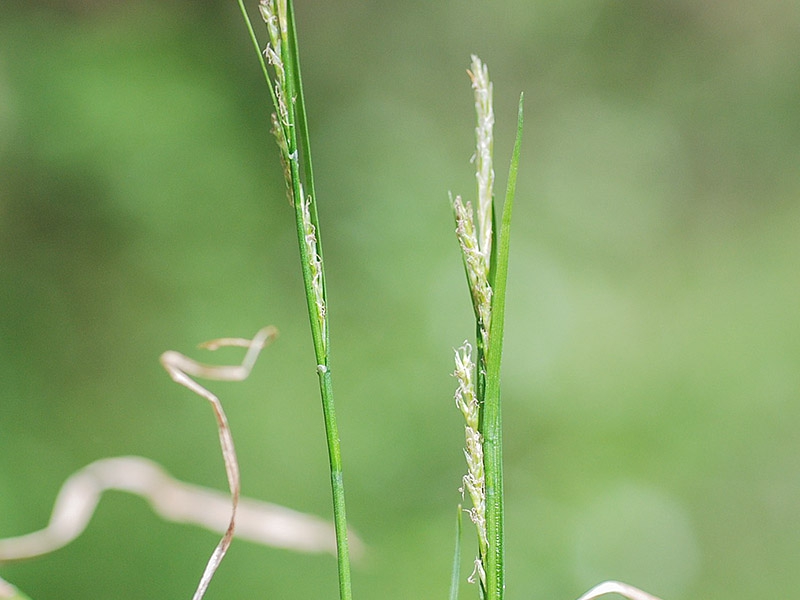
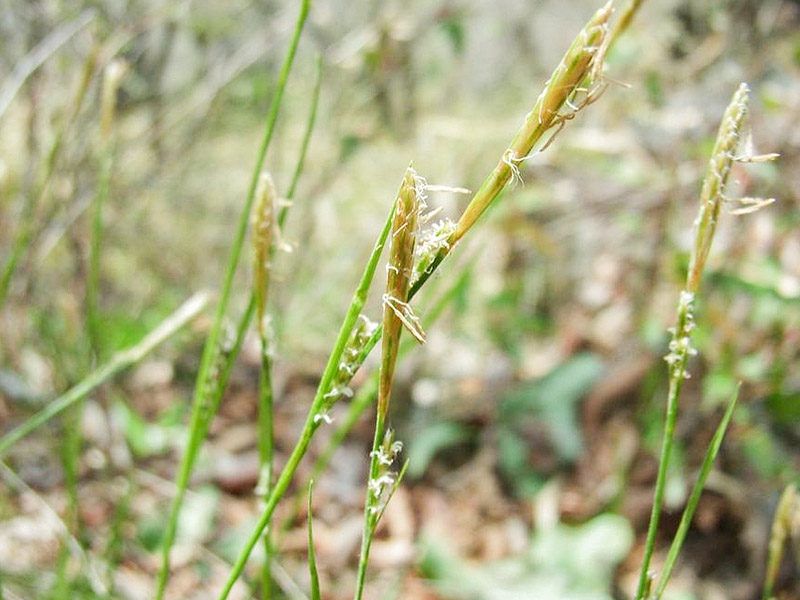
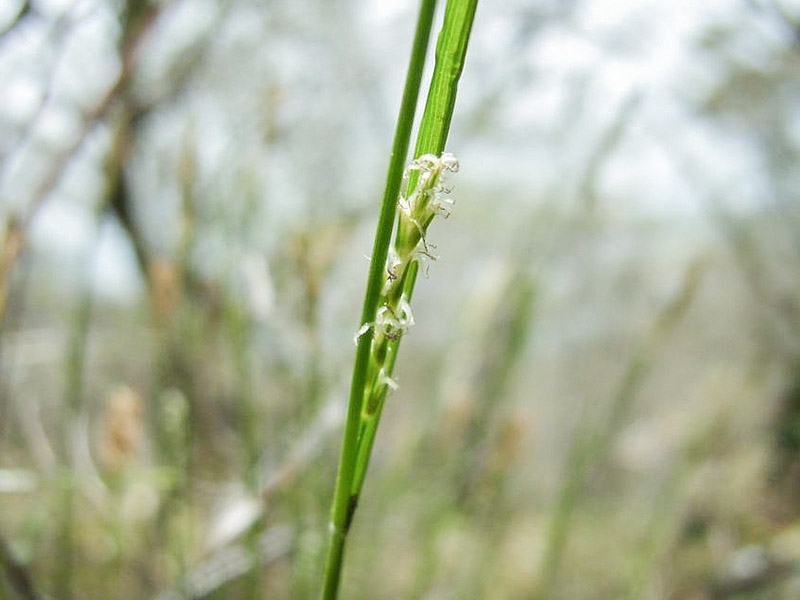
The growth characteristics, propagation methods, cultivation methods, garden uses, and major pests and control methods of Carex alterniflora can be described as follows: Growth CharacteristicsCarex alterniflora is a perennial herbaceous plant that thrives primarily in wetlands or near water. It grows to a height of approximately 30–90 cm, and its leaves are slender and long, appearing green. It flowers from spring to summer, characterized by small spike-shaped flowers. Propagation MethodsIt is primarily propagated by seeds. It is best to sow seeds in spring or autumn. Propagation by dividing rhizomes is also possible. Division is best performed in early spring, as this method is faster than seed propagation. Cultivation MethodsCarex alterniflora grows well in well-drained soil but particularly prefers humid environments. While it prefers sunny locations, it can grow well in partial shade. It requires frequent watering to maintain moisture. Additionally, regularly supplying organic fertilizer helps with growth. Uses in the GardenIn gardens, it is primarily planted near water, ponds, or wetlands to enhance aesthetics and is useful for creating a natural and wild atmosphere. It also harmonizes well with other aquatic plants and can be utilized as a diverse element in landscaping. Important Pests and Control Methods While Alterniflora is relatively resistant to pests and diseases, it may be susceptible to fungal diseases affecting the leaves. In such cases, you can remove diseased leaves and apply a fungicide. Aphids are a common pest, and eco-friendly methods include using insect soap or neem oil for control. Regular inspections and proper care are crucial for preventing pests. Based on this information, you will be able to successfully cultivate and manage Alterniflora.
Plant Family
Cyperaceae
Height
30~50cm
Colors
White, brown, green
Bloom Period
April to May
Water Needs
commonly
Exposure
Sunny
Freezing Resistance
-30°C
Bone grass
Carex aphanolepis
slender white sedge
Carex alopecuroides