English
한국어
English
Español
中文
हिंदी
Home
News
Community
Dictionary
English
한국어
English
Español
中文
हिंदी
View list
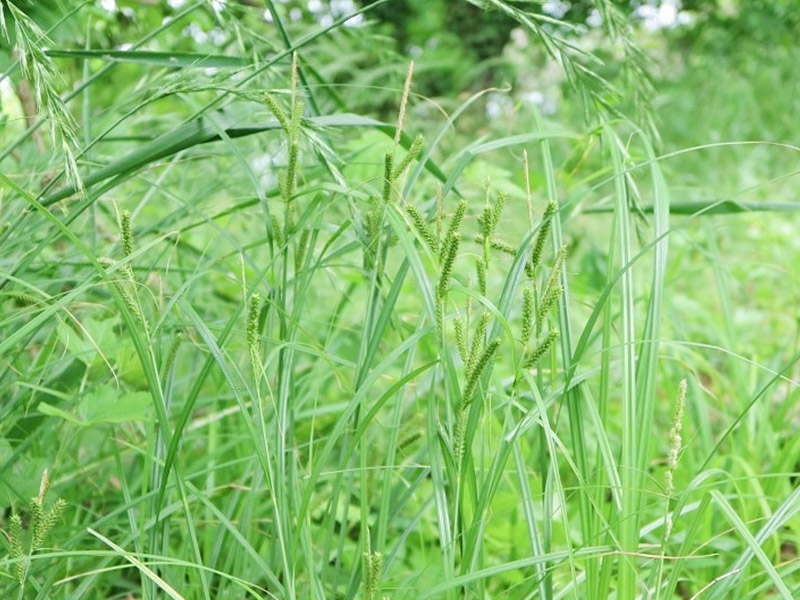
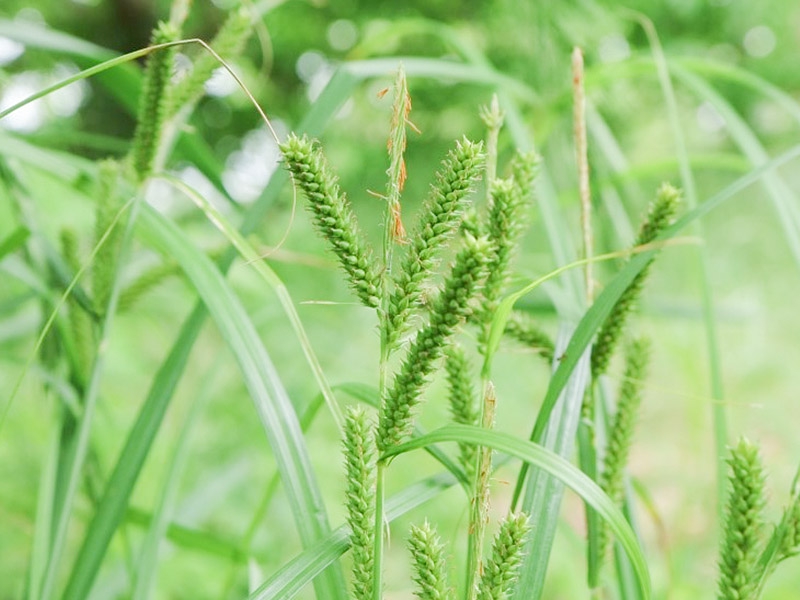
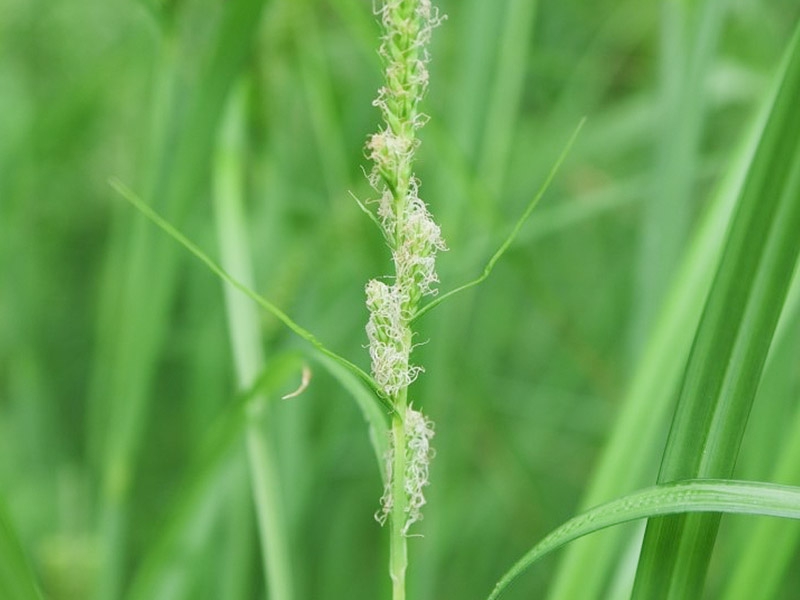
slender white sedge
Carex alopecuroides
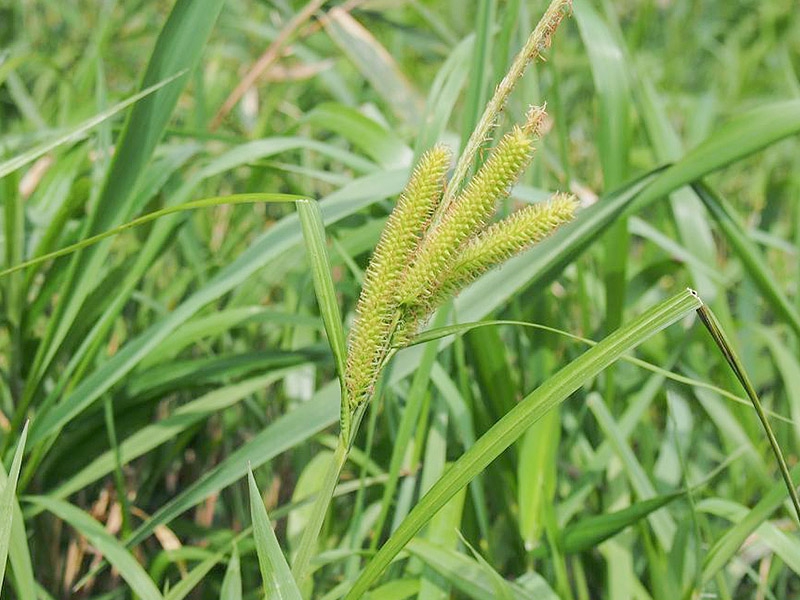
Carex alopecuroides is a perennial herbaceous plant commonly found in wetlands and watersides in East Asia, including Korea. I will explain the growth characteristics, propagation methods, cultivation methods, garden uses, and major pests and diseases, as well as control methods. Growth Characteristics Carex alopecuroides primarily prefers clay or sandy soil found in wetlands or watersides. It typically grows to a height of 30 to 70 cm and is characterized by its slender leaves and purplish flowers. It flowers in the summer and produces seeds in the autumn. Its fibrous roots spread shallowly, allowing it to absorb moisture effectively. Propagation Methods It is mainly propagated by seeds and root division. Seeds can be collected in the autumn after flowering and sown the following spring. The best time for root division is early spring or autumn; simply loosen the soil and divide the roots for planting. Cultivation Methods - Environment: It thrives in partial shade and prefers well-drained soil. It thrives particularly well in waterside or moist environments. - Watering: As it is a plant that likes moisture, it requires frequent watering. More water is needed, especially during the summer. - Soil: Soil mixed with a little sand that drains well yet retains moisture is ideal. Uses in the GardenSedges are well-suited for natural garden styles and are excellent for enhancing the landscape in waterside and wetland gardens. They blend harmoniously with other herbaceous plants and, due to their small size, can be used as border or background plants. Important Pests and Control MethodsSedges are relatively resistant to pests and diseases. However, prolonged exposure to high humidity can lead to issues such as root rot, so proper ventilation and drainage are important. If pests are suspected, they can be removed by hand or eco-friendly insecticides can be used. Control methods include proper watering, weed removal, and improved ventilation. Based on the information above, you can effectively utilize and grow healthy Sedges in your garden.
Plant Family
Cyperaceae
Height
30~60cm
Colors
green
Bloom Period
April to June
Water Needs
commonly
Exposure
Sunny
Freezing Resistance
-30°C
Prehistoric
Carex alterniflora
Water-tailed sedge
Carex aequialta