English
한국어
English
Español
中文
हिंदी
Home
News
Community
Dictionary
English
한국어
English
Español
中文
हिंदी
View list
Large water sedge 'Aurea'
Carex elata
'Aurea'
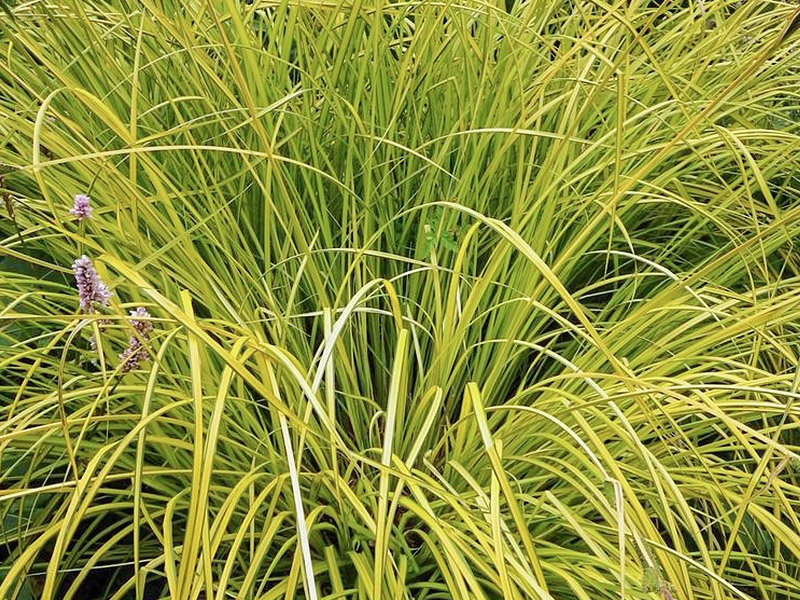
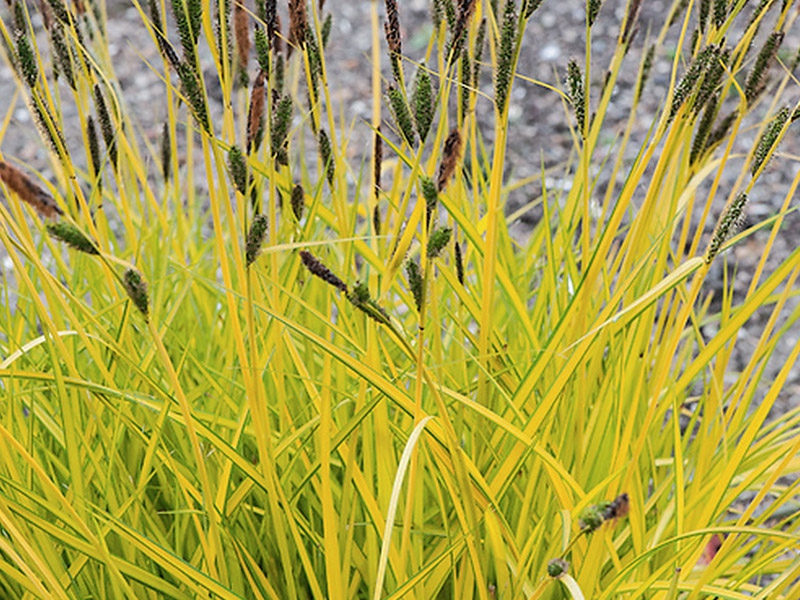
Carex elata 'Aurea' is a perennial herb with beautiful golden leaves and is highly popular as an ornamental plant in gardens. Growth Characteristics- Growing Environment: It prefers moist soil and thrives in a variety of environments ranging from partial shade to full sun. It can adapt even to soil with poor drainage. - Growth Rate: It exhibits a moderate growth rate. - Maximum Size: It typically grows to 60–90 cm. Propagation Methods- Division: It can be propagated by dividing the roots in spring or autumn. Carefully separate the root clumps and plant each one individually. - Seeds: While it can be propagated by seeds if possible, division is the more common method. Cultivation Methods- Soil: It prefers moist, organic-rich soil. - Watering: Providing sufficient moisture is important. It requires a lot of water, especially during the growing season. - Fertilizer: Applying slow-release fertilizer in the spring is recommended. Uses in the Garden- Ornamental: Its golden leaves are particularly beautiful, making it well-suited for borders, watersides, and wetland gardens. - Landscaping: It can be planted alongside vines to create landscapes with varying heights. Important Pests and Control Methods- Diseases: There are no major pests or diseases, but root rot may occur in environments with excessive moisture. - Control: Ensure good drainage and immediately remove any diseased parts. - Pests: Aphids or snails may occasionally occur. - Control: They can be removed using appropriate insecticides or by physical means. Based on this information, you can effectively cultivate and manage the large water sedge 'Aurea'. Utilizing this plant in your garden can create a beautiful landscape.
Plant Family
Cyperaceae
Height
30~60cm
Spread
60~90cm
Colors
brown
Bloom Period
March to August
Water Needs
well
Exposure
Sunny
Freezing Resistance
-30°C
Baby sedge
Carex subspathacea
Osimensisachō 'Evershin'
Carex oshimensis
'Eversheen'