English
한국어
English
Español
中文
हिंदी
Home
News
Community
Dictionary
English
한국어
English
Español
中文
हिंदी
View list
Carissa Congesta
Carissa congesta
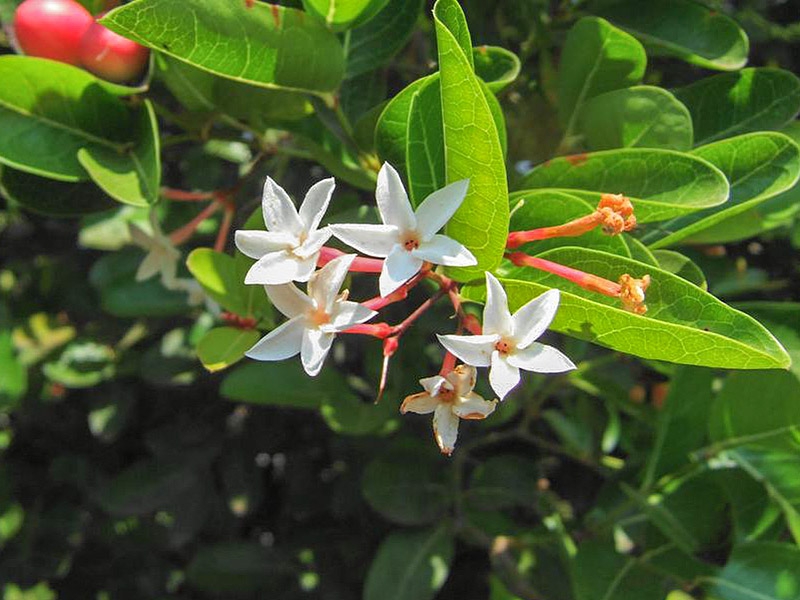
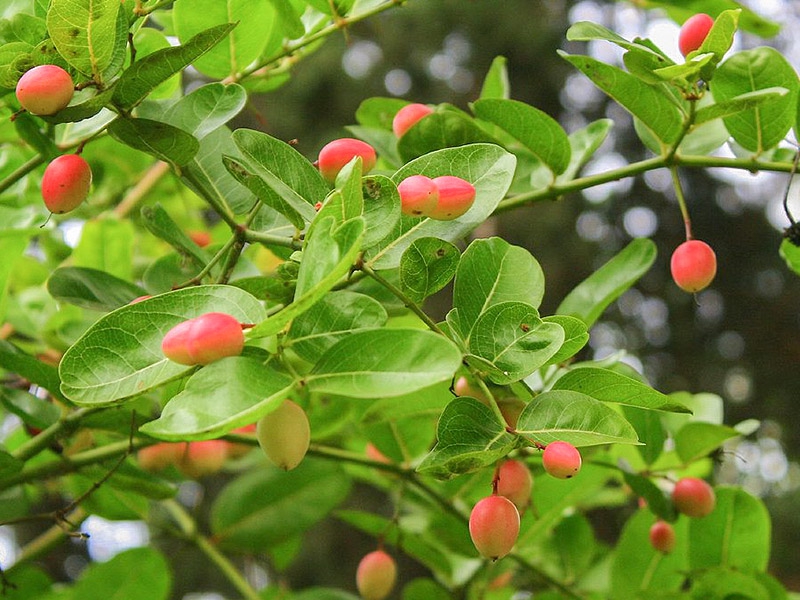
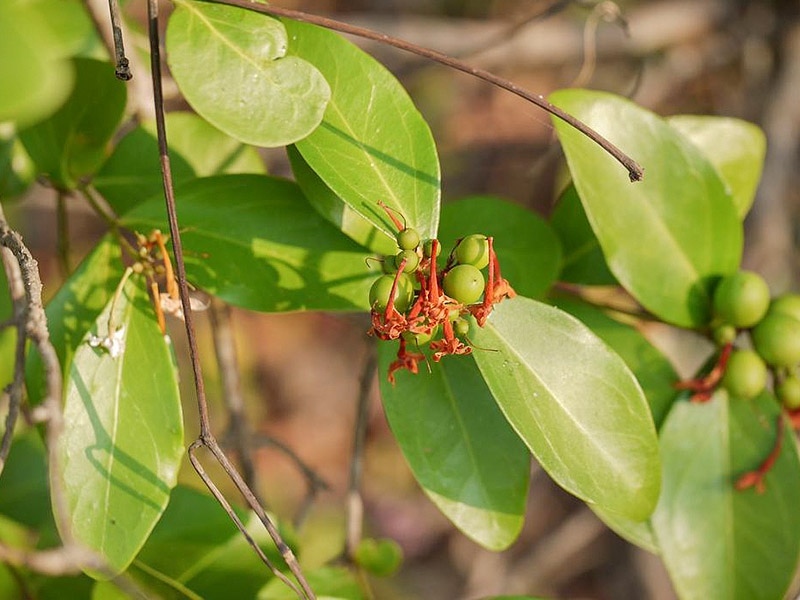
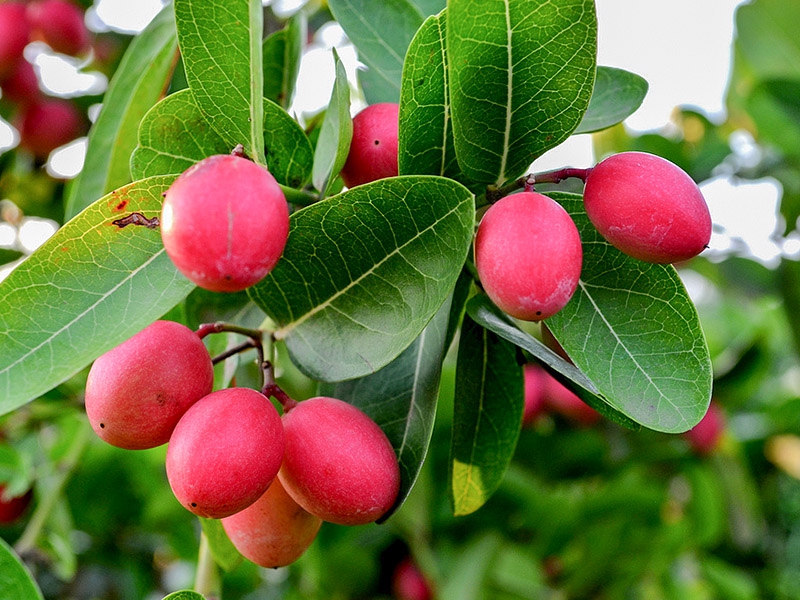
Growth Characteristics of Carissa congesta Carissa congesta is an evergreen shrub that thrives in tropical and subtropical regions. This plant typically grows up to 2 to 3 meters tall and is characterized by thorns on its stems. The leaves are thick, glossy, alternate, and oval-shaped. The flowers bloom in shades ranging from white to pink and emit a fragrant scent. The fruits are small and round, changing from red to purple when ripe. Propagation Methods Carissa congesta is primarily propagated by seeds and cuttings. - Seed Propagation: Collect seeds from mature fruits, wash them in water, and sow them in well-cultivated soil. If appropriate temperature and humidity are maintained, germination occurs after about 2 to 4 weeks. - Cutting Propagation: It can be easily propagated by taking cuttings from healthy branches in spring or summer. Cut the cuttings to an appropriate length, apply a rooting agent, and plant them. Growth Characteristics of Carissa congesta Cultivation Methods - Soil: It prefers well-drained sandy or clayey soils. A pH range of 6.0 to 7.5, which is slightly acidic to neutral, is suitable. - Sunlight: It requires plenty of sunlight, so it is best to plant it in a sunny location. - Watering: Avoid excessive moisture; water only when the soil dries out. Pay particular attention to drainage during the rainy season. - Fertilizer: During the growing season, it is beneficial to apply a fertilizer balanced with nitrogen, phosphorus, and potassium. Uses in the Garden Carissa congesta is popular as an ornamental plant in gardens due to the aesthetic value of its fruit and flowers. Its thorns allow it to be used as a hedge plant, and its pleasant fragrance creates a fragrant environment when planted in the garden. Important Pests and Control Methods Carissa congesta is relatively resistant to diseases, but one must be aware of certain pests. - Scale Insects: Can damage the leaves and stems. Control can be achieved by spraying insecticides containing plant oil or by washing with water. - Powdery Mildew: Characterized by white powder on the leaves, it occurs in environments with poor air circulation. Improve air circulation through proper spacing and control it using sulfur-based pesticides. - Root Rot: May occur due to excessive moisture. Prevent this by ensuring good drainage and paying attention when watering.
Plant Family
Oleander family
Height
5m
Colors
white
Bloom Period
March to June
Water Needs
commonly
Exposure
Sunny
Freezing Resistance
-10°C
Carisa Makrocarpa
Carissa macrocarpa
Stone windbreak
Carlesia sinensis