English
한국어
English
Español
中文
हिंदी
Home
News
Community
Dictionary
English
한국어
English
Español
中文
हिंदी
View list
hornbeam
Carpinus laxiflora
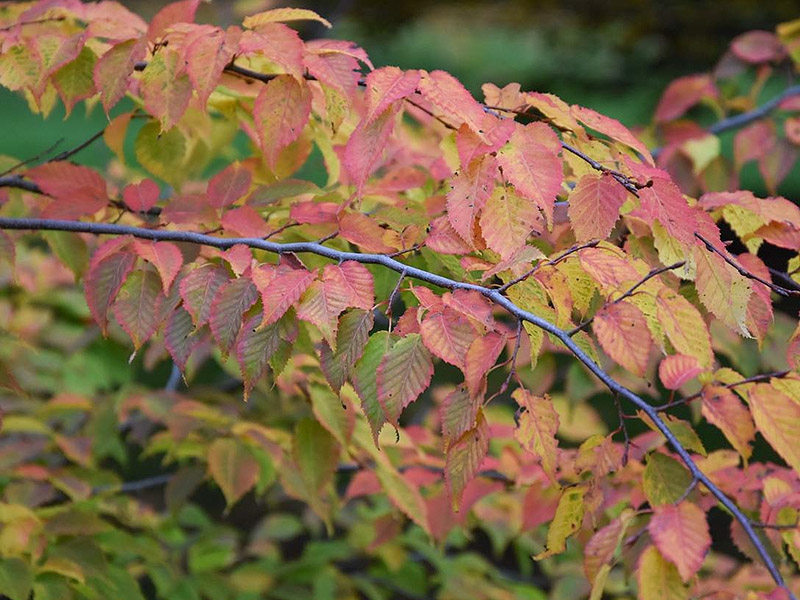
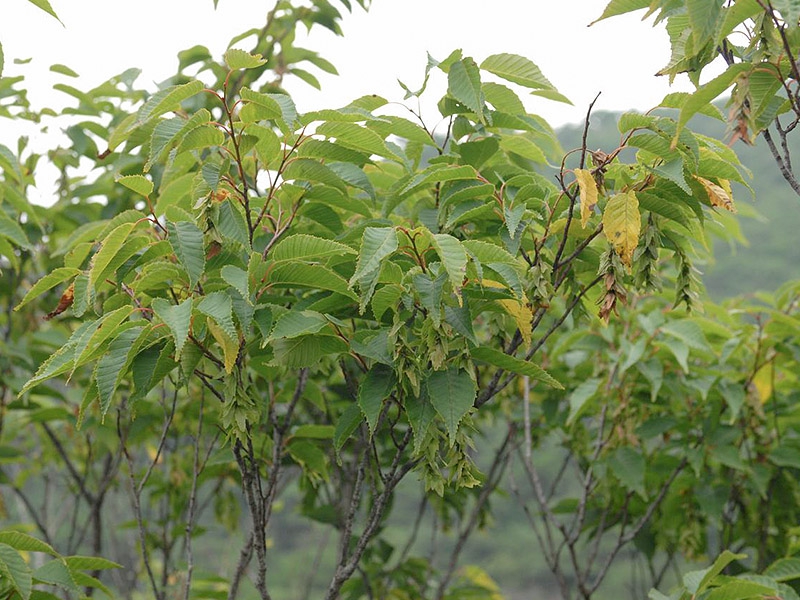
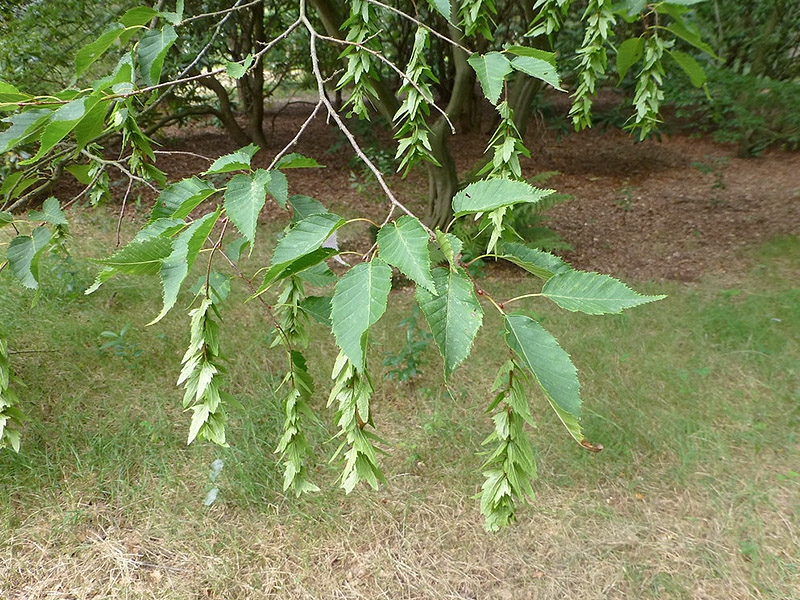
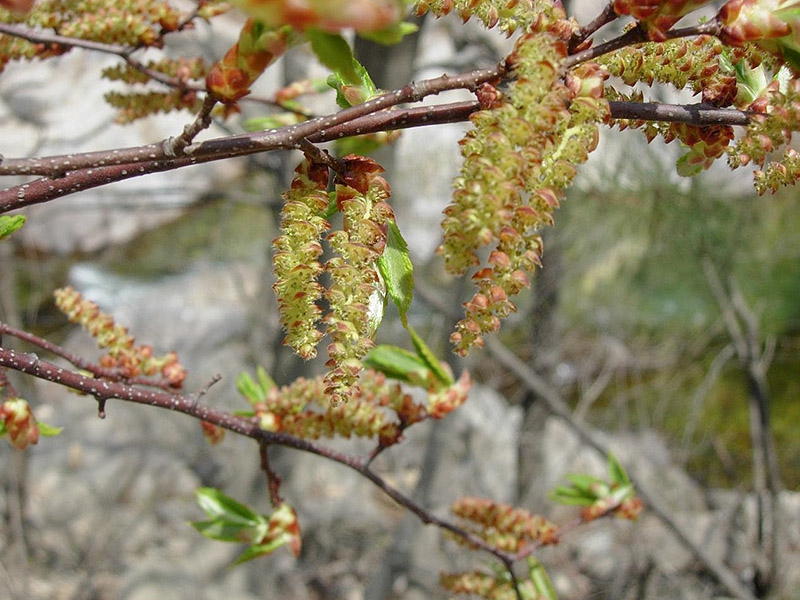
I will explain the growth characteristics, propagation methods, cultivation methods, garden uses, and major pests and diseases and control methods of Carpinus laxiflora. - Growth Characteristics: - Carpinus laxiflora thrives in temperate climates and has excellent cold tolerance, allowing it to withstand severe cold waves even in winter. - It grows best in well-drained soil and prefers a pH range of slightly acidic to neutral. - While it prefers sunlight, it can also grow in partial shade. - Propagation Methods: - It is primarily propagated by seed. - Seeds are collected in the autumn and sown directly, or stored in moist sand and sown in the spring. - Methods such as cuttings or burrowing can also be utilized. - Cultivation Methods: - Sufficient watering is required during the initial establishment phase. However, mature plants can tolerate a certain degree of dryness. - Providing adequate fertilizer during the growing season is effective. Using slow-release fertilizer is particularly beneficial in the spring. - Pruning is recommended in late winter or early spring. - Use in the Garden: - Hornbeam laxiflora is popular as a garden tree due to its beautiful leaf shape and autumn foliage. - It is suitable for hedges or windbreaks and adapts well to urban environments. - Major Pests and Diseases and Control Methods: - Rust and powdery mildew may occur. In such cases, appropriate fungicides should be used for pest control. - Insect pests such as leafrollers and butterfly moth larvae may occur; control them using insecticides upon early detection. - Biological control methods using ladybugs can also be effective. We hope this information helps you grow a healthy Hornbeam laxiflora.
Plant Family
Betula family
Height
15m
Colors
yellow
Bloom Period
May
Water Needs
commonly
Exposure
Sunny
Freezing Resistance
-30°C
hornbeam
Carpinus tschonoskii
Korean hornbeam
Carpinus cordata