English
한국어
English
Español
中文
हिंदी
Home
News
Community
Dictionary
English
한국어
English
Español
中文
हिंदी
View list
long hornbeam
Carpinus laxiflora
var.
longispica
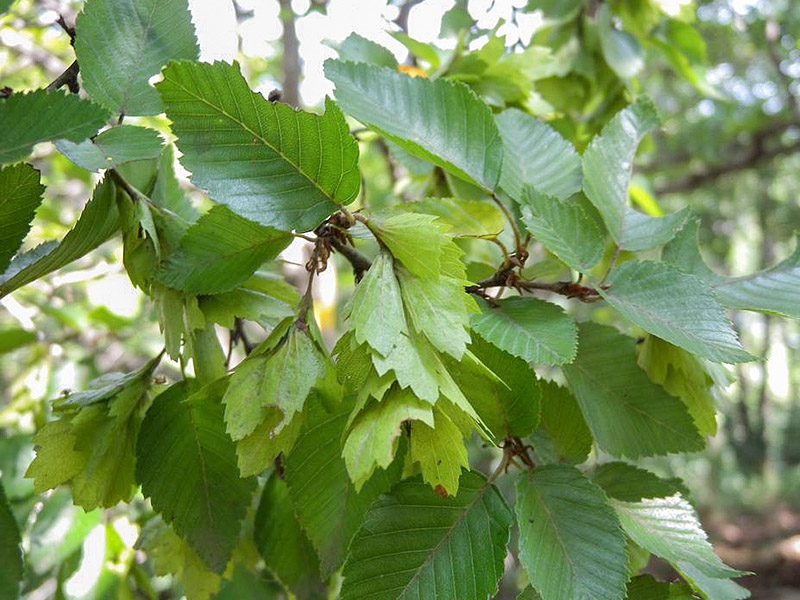
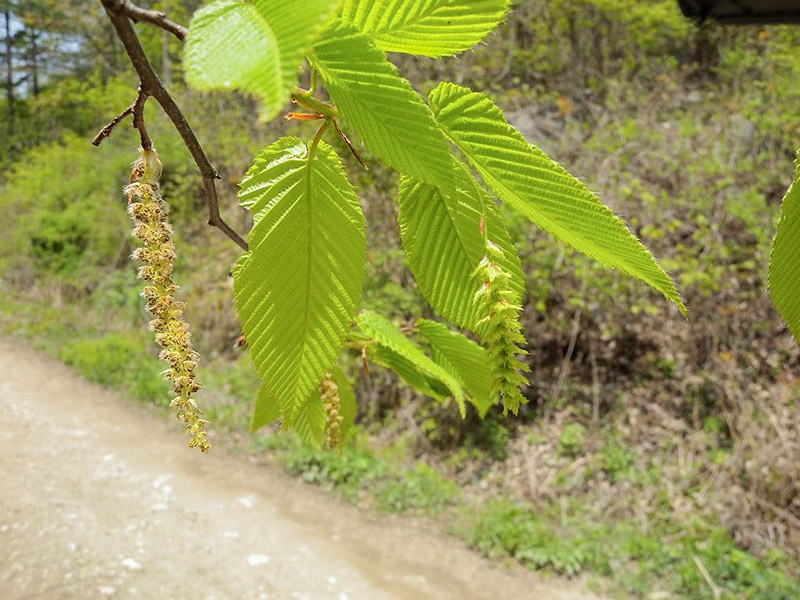
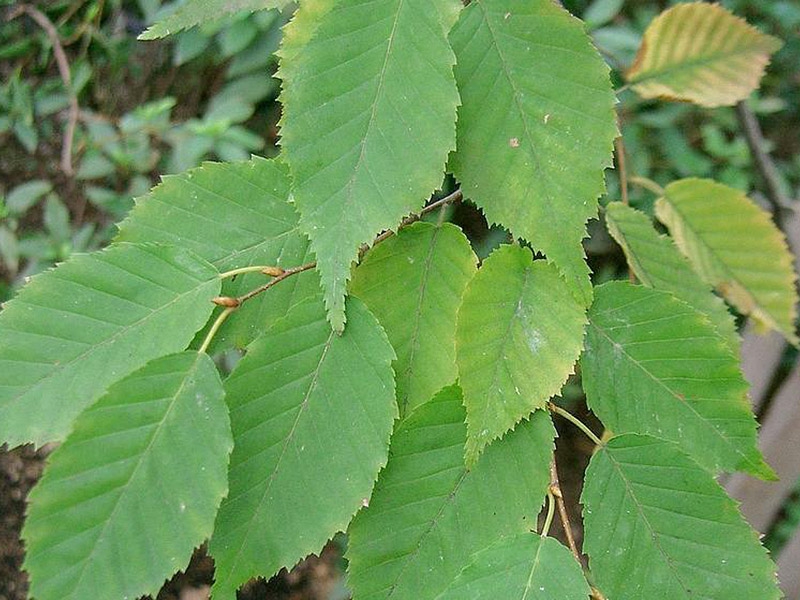
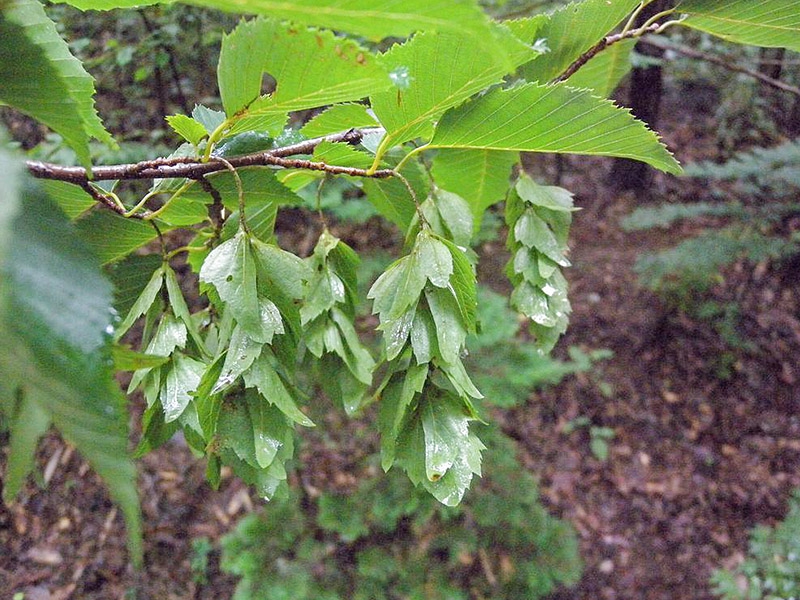
The following is information regarding Carpinus laxiflora var. longispica: Growth Characteristics This tree is a medium-sized broad-leaved tree that thrives primarily in temperate climates. The leaves are generally soft and long oval-shaped. It flowers in the spring and is monoecious, producing small flowers. The tree prefers well-drained soil and grows well in moist environments. Propagation Methods It is generally propagated by seeds or cuttings. For seed propagation, it is recommended to sow seeds immediately after collecting them from mature fruit. For cutting propagation, new branches are cut in the spring or summer. Cultivation Methods - Soil: Fertile, well-drained soil is suitable. - Sunlight: It grows well in a wide range of conditions, from partial shade to full sun. - Water: Maintaining adequate humidity is important; water regularly, especially during dry periods. Use in the Garden This plant is very popular as a landscaping tree. It is particularly used to create garden borders or shade. Additionally, it offers diverse seasonal landscapes through changes in leaf color. Important Pests and Control Methods While hornbeams are generally resistant to pests and diseases, some rare issues may occur. - Fungal diseases: These can occur in humid environments; to prevent them, ensure a well-ventilated environment. - Pests: Aphids or leaf beetles may appear. To prevent this, it is recommended to observe the plant regularly and use organic insecticides. By referring to this information, you can effectively manage and utilize the hornbeam Lactifola var. longispica.
Plant Family
Betula family
Height
10∼15m
Spread
1m
Colors
white
Bloom Period
April to May
Water Needs
commonly
Exposure
semi-shaded area
Freezing Resistance
-30°C
Korean hornbeam
Carpinus cordata
Carolina hornbeam
Carpinus caroliniana