English
한국어
English
Español
中文
हिंदी
Home
News
Community
Dictionary
English
한국어
English
Español
中文
हिंदी
View list
pecan
Carya illinoinensis
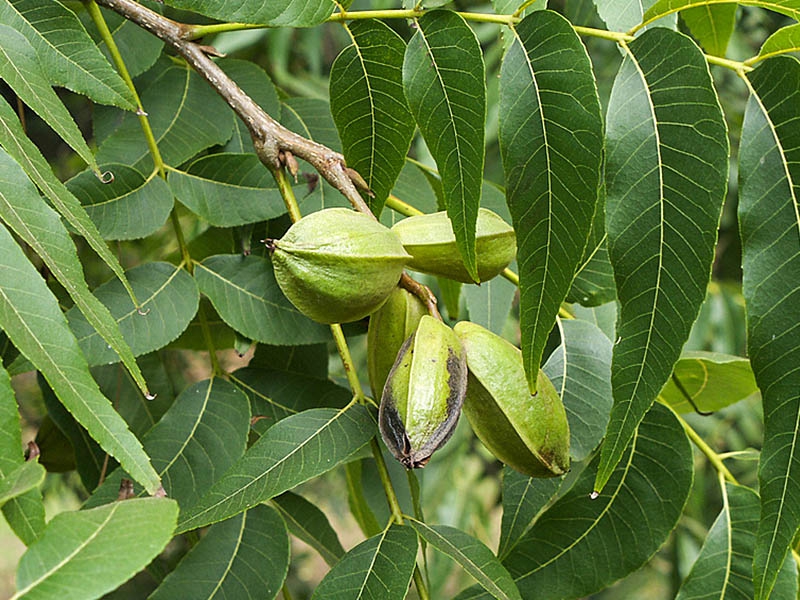
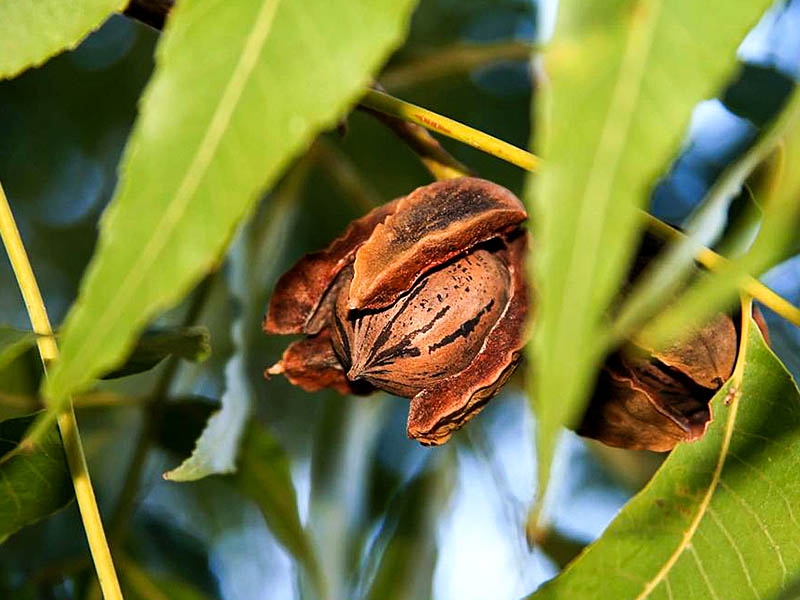
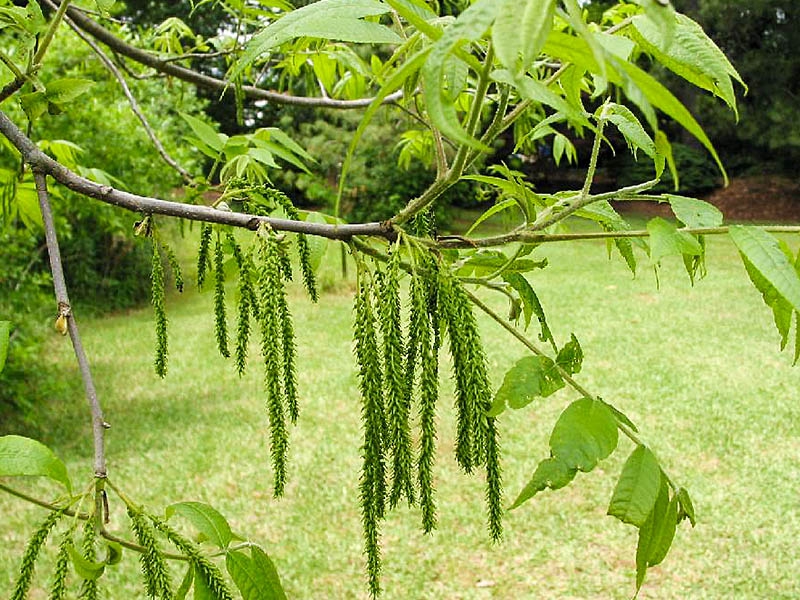
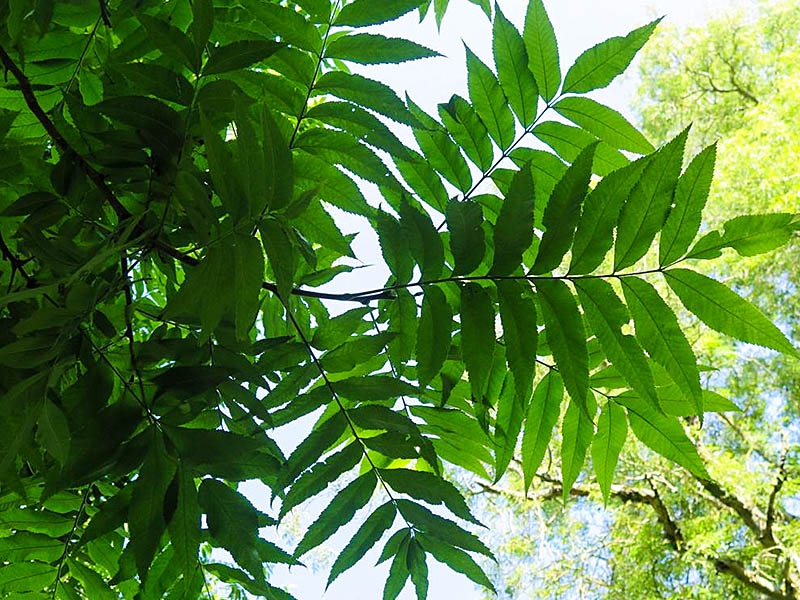
The following explains the growth characteristics, propagation, cultivation methods, garden uses, and pest and disease control methods of the pecan (Carya illinoinensis). Growth Characteristics The pecan is a deciduous tree belonging to the beech family (Fagaceae) and is native primarily to the southern regions of North America. It can grow to a height of over 30 meters and possesses a broad and deep root system, making it relatively resistant to dry environments. The leaves are pinnately compound and turn golden yellow in the autumn. Propagation Methods Pecans are primarily propagated by seeds. Seeds mature in the autumn, and it is best to plant them immediately after harvesting or in the spring after the winter. To increase the propagation rate, germination rates can be improved through freezing. Grafting is also used to produce high-quality seedlings. Cultivation Methods Pecans thrive in fertile, well-drained soil and prefer neutral soil with a pH of 6.0 to 7.0. Since they grow better with ample sunlight, they should be planted in a location with sufficient sunlight. During the growing season, proper watering is crucial, and fertilizer should be supplied in appropriate amounts, primarily focusing on nitrogen. Uses in the GardenPecans are widely used as shade trees in large gardens or parks because they provide ample space and shade. They also bear fragrant fruit that serves as food for wildlife. However, as they grow to a considerable size, they may not be suitable for small gardens. Important Pests and Control Methods Pecans can be susceptible to various pests and diseases. Common examples include spider mites, aphids, nut worms, and pecan dwarf moths. To control these pests, biological control methods can be considered alongside the regular use of insecticides. Additionally, the occurrence of diseases can be reduced through balanced fertilization and maintaining a clean environment. Pruning improves ventilation, and removing excess branches and fallen leaves prevents the proliferation of pathogens. Please refer to the above information to properly care for your pecans.
Plant Family
Juglandaceae
Height
21~30m
Spread
12~21m
Colors
green
Bloom Period
April to August
Water Needs
commonly
Exposure
Sunny
Freezing Resistance
-30°C
Pecan
Carya pecan
Caria cordiformis
Carya cordiformis