English
한국어
English
Español
中文
हिंदी
Home
News
Community
Dictionary
English
한국어
English
Español
中文
हिंदी
View list
Caria cordiformis
Carya cordiformis
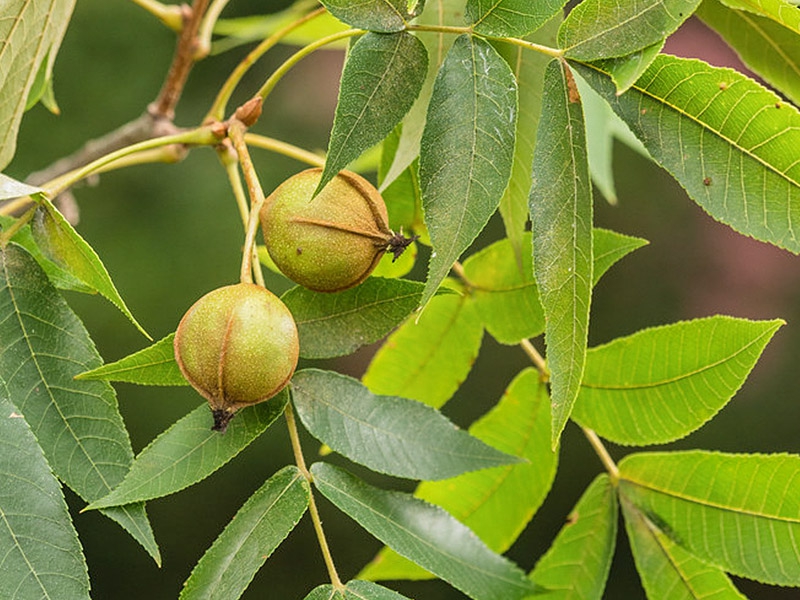
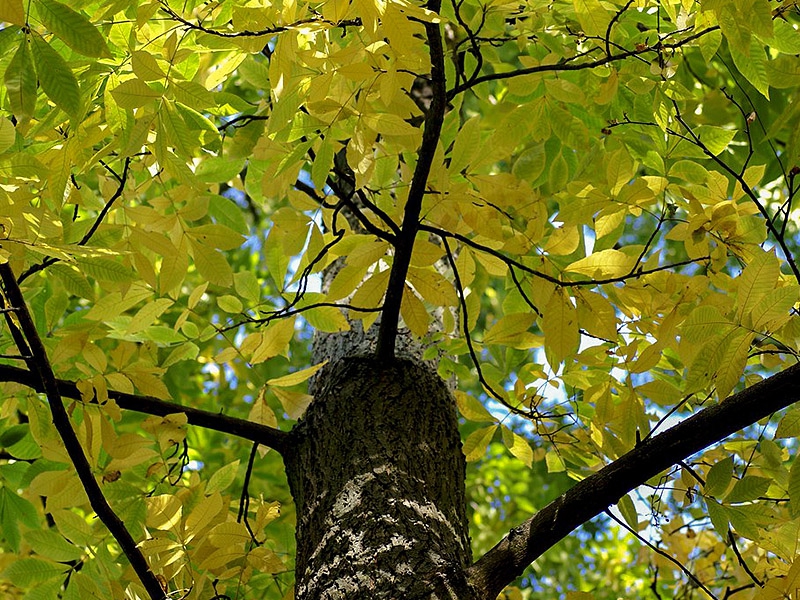
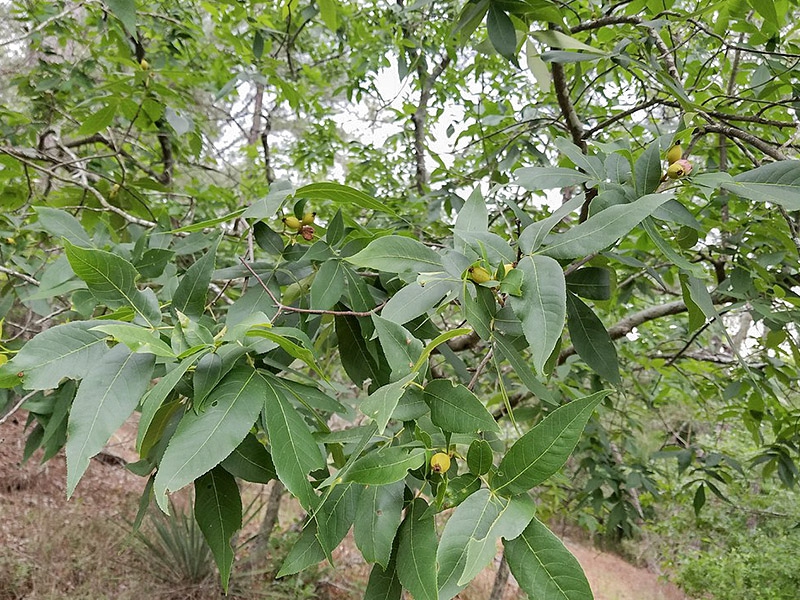
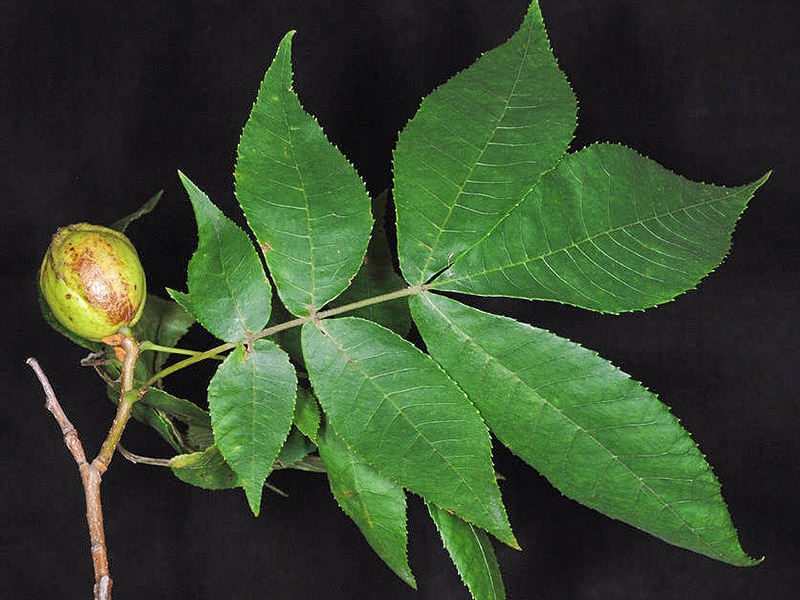
Juglans cordiformis has the following characteristics regarding growth, propagation, cultivation, garden uses, major pests and diseases, and control methods. Growth Characteristics Juglans cordiformis is a medium-sized deciduous tree that can grow to a height of over 10 meters. Its leaves are long oval-shaped and typically compound, resembling a feather with 5 to 9 leaflets. The leaves turn yellow in autumn, making it highly valuable as an ornamental plant. Its roots spread deeply, allowing it to adapt well to various soil types. Propagation It is primarily propagated by seeds. Mature seeds are collected in the autumn and stored with sand to prevent overwatering and frost damage during the winter. They are sown directly the following spring, or the thick bark is damaged before germination to facilitate sprouting. Cultivation Juglans cordiformis thrives best in sunny locations with well-drained soil. Initial growth is slow, but it can grow rapidly thereafter if soil conditions are suitable. Water regularly while avoiding overwatering, and provide appropriate fertilizer during the growing season to promote healthy growth. Uses in the Garden The Japanese pagoda tree is widely used as an ornamental tree in gardens due to its beautiful foliage and fruit shape. Its autumn foliage is particularly beautiful, making it suitable for landscaping in gardens, parks, and streets. Additionally, the fruit is primarily used for decoration. Important Pests and Diseases & Control Methods - Diseases: It is susceptible to fungal diseases such as brown spot, so control treatments are necessary in environments with frequent rain. To prevent this, plant it in a well-ventilated area and use fungicides if necessary. - Pests: Insects may periodically attack the tree. Use pest control agents to repel insects, and regularly inspect the tree's condition during periods of frequent pest infestation. With proper care and attention, the Japanese pagoda tree can be grown beautifully and healthily, helping to enhance the elegance of your garden.
Plant Family
Juglandaceae
Height
15~24m
Spread
9~15m
Colors
Green, yellow
Bloom Period
April to August
Water Needs
commonly
Exposure
Sunny
Freezing Resistance
-40°C
pecan
Carya illinoinensis
Karia Obata
Carya ovata