English
한국어
English
Español
中文
हिंदी
Home
News
Community
Dictionary
English
한국어
English
Español
中文
हिंदी
View list
Karia Glabra
Carya glabra
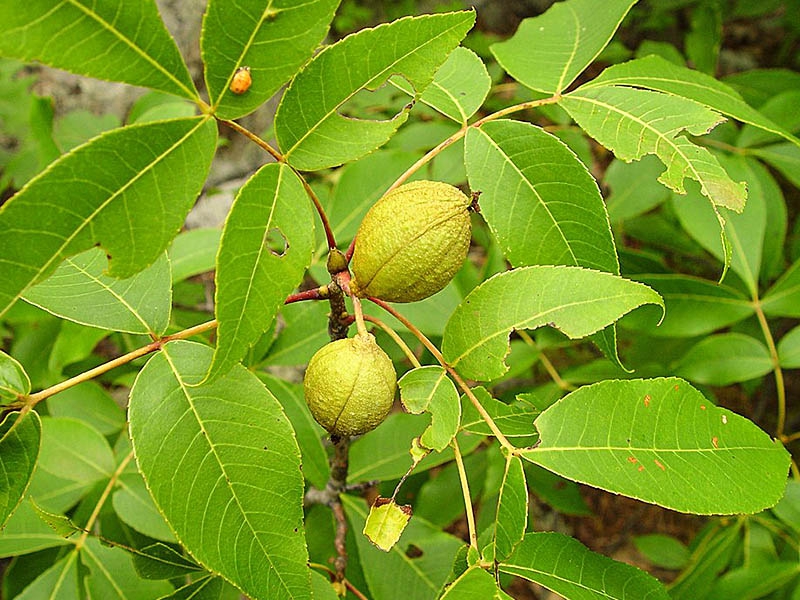
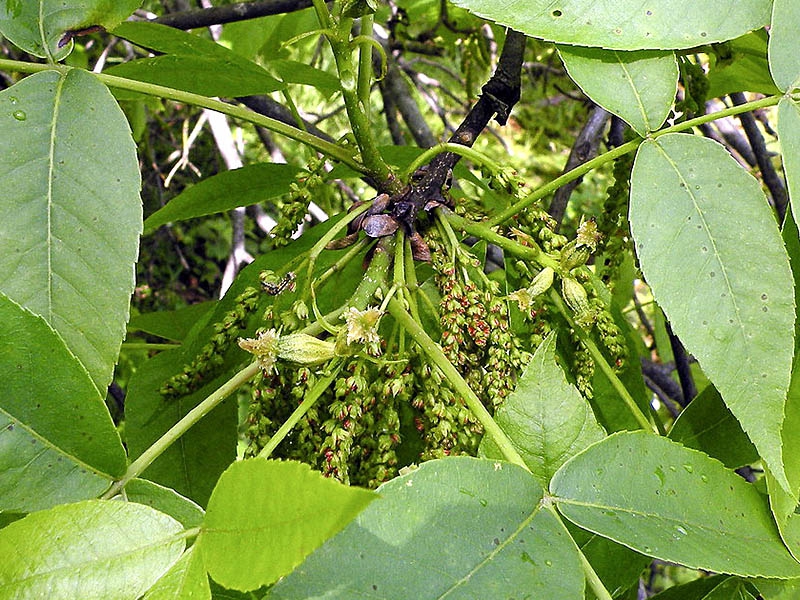
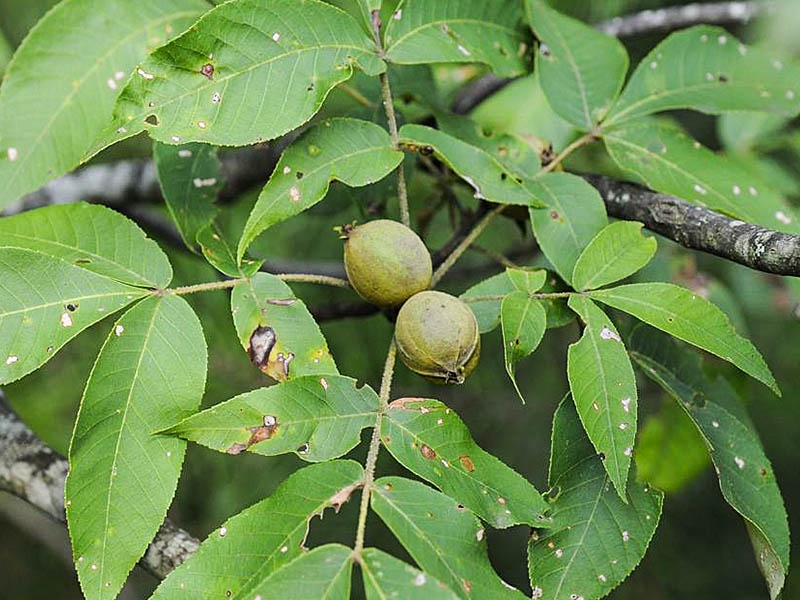
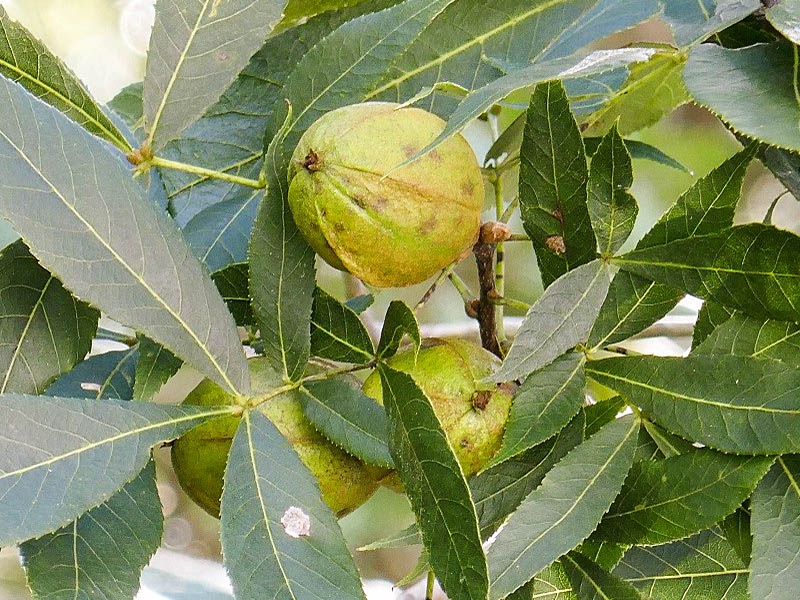
Carya glabra is a deciduous tree native to the eastern and midwestern United States, commonly known as Piginnut Hickory. The following describes the tree's key growth characteristics, propagation methods, cultivation practices, garden uses, and major pests and control methods. Growth Characteristics - Height and Shape: Mature trees typically grow to 15 to 30 meters in height and have a conical canopy. - Leaves: They are pinnately compound, forming a set of 5 to 7 leaves. - Fruit: The fruit is a nut-like substance with a hard shell, serving as a food source for wildlife such as squirrels. - Growing Environment: It prefers fertile, well-drained soil. It thrives in sunny locations and has good drought and cold tolerance. Propagation Methods - Seed Propagation: Harvest the fruit in the fall, subject it to cold stratification during the winter, and sow the seeds in the spring. - Transplanting: Young seedlings can be transplanted, but a long rooting period is required. Cultivation Methods - Soil Preparation: Use organic fertilizers to improve soil drainage and increase fertility. - Watering: Consistent watering is necessary during the early growth period, but mature trees are relatively drought-tolerant. - Pruning: Pruning is performed periodically during the winter dormancy period to maintain a healthy tree structure. Uses in the Garden - Shade Tree: Suitable as a shade tree in gardens or parks due to its large shade. - Landscape Tree: Popular as a landscape tree due to its sturdy trunk and beautiful leaf shape. Important Pests and Control Methods - Diseases: The most common diseases are leaf blight and powdery mildew. Providing adequate ventilation and avoiding excessive moisture is effective for control. - Pests: Pests that primarily affect hickory include stem pests such as wood borers. When pests appear, they can be removed manually or controlled using registered chemicals. Based on this information, you will be able to cultivate and manage Caria glabra effectively. This species contributes to the creation of eco-friendly gardens, particularly by providing biodiversity and wildlife habitats through its nuts.
Plant Family
Juglandaceae
Height
15~24m
Spread
9~12m
Colors
yellow
Bloom Period
April to August
Water Needs
commonly
Exposure
Sunny
Freezing Resistance
-30°C
Karia Obata
Carya ovata
layered flower tree
Caryopteris incana