English
한국어
English
Español
中文
हिंदी
Home
News
Community
Dictionary
English
한국어
English
Español
中文
हिंदी
View list
Resilph
Caryopteris
×
clandonensis
'Lissilv'
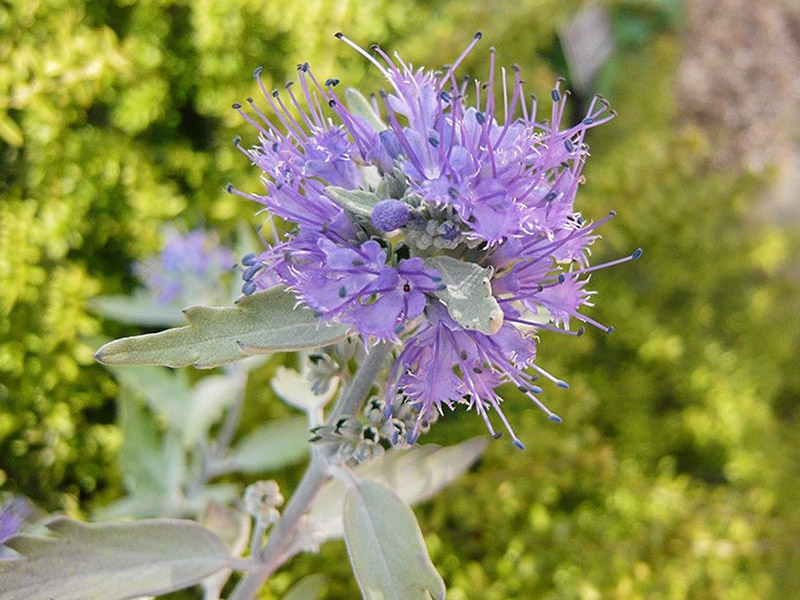
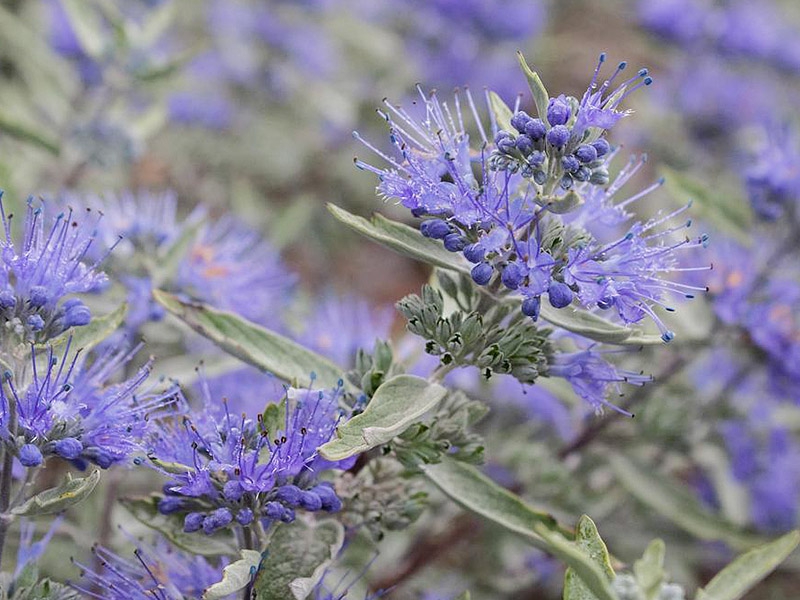
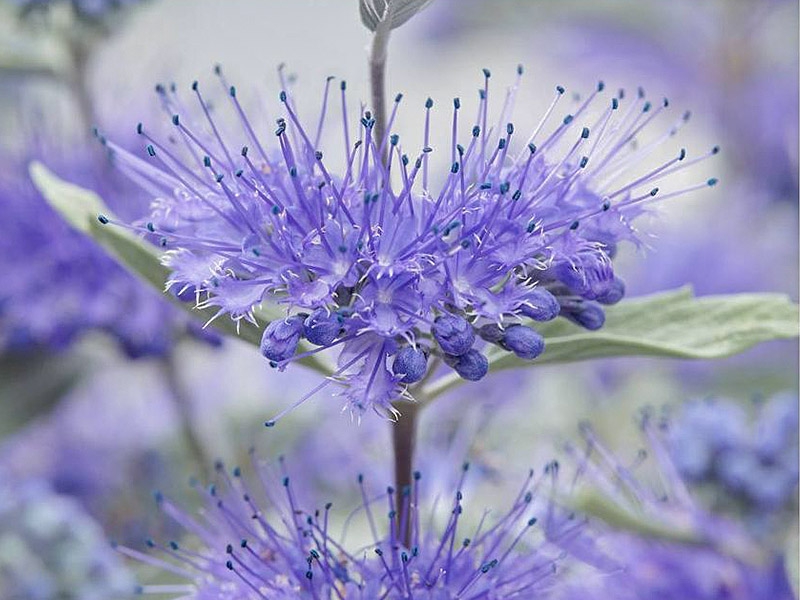
Lissilv (Caryopteris × clandonensis 'Lissilv') is a popular ornamental plant with several notable characteristics. Growth Characteristics - Form: It is a deciduous shrub that typically grows to a height of 60–90 cm. - Leaves: The grayish-green leaves are fragrant. - Flowers: Small blue or purple flowers bloom from late summer to autumn, beautifully adorning the garden. Propagation Methods - Cuttings: Propagation by cuttings is common. In late spring or early summer, cut small, healthy branches, place them in water, and transplant them into soil once roots have formed. - Seeds: Propagation by seeds is possible, but it is rarely used due to the low success rate and the long time required. Cultivation Methods - Soil: It prefers well-draining soil. - Sunlight: It thrives in sunny locations. - Watering: Avoid overwatering; water thoroughly when the soil becomes dry. - Fertilizer: It is recommended to use slow-release fertilizer in the spring. Uses in the Garden - Border Planting: It is excellent for use as a low fence or for border planting. - Flower Beds: It harmonizes well with various colors and is used as a main plant in flower beds. - Containers: Its suitable size allows it to be planted in large pots, making it ideal for terraces or balconies. Important Pests and Control Methods - Diseases: It is mainly susceptible to fungal diseases, so avoid overwatering. - Pests: Pests such as aphids may occur; if necessary, use appropriate pesticides or wash them off with water. The 'Lisylph' (Lespedeza bicolor) is a plant loved in various garden environments for its beauty and ease of care. With proper care and attention, it can grow healthily for a long time.
Plant Family
Lamiaceae
Height
120~150cm
Spread
60~90cm
Colors
blue
Bloom Period
August
Water Needs
commonly
Exposure
Sunny
Freezing Resistance
-20°C
Floor flower tree 'Minblue'
Caryopteris
×
clandonensis
'Minbleu'
Chinese quince 'Q Blue'
Caryopteris
×
clandonensis
'Kew Blue'