English
한국어
English
Español
中文
हिंदी
Home
News
Community
Dictionary
English
한국어
English
Español
中文
हिंदी
View list
Island thyme
Thymus quinquecostatus
var.
magnus
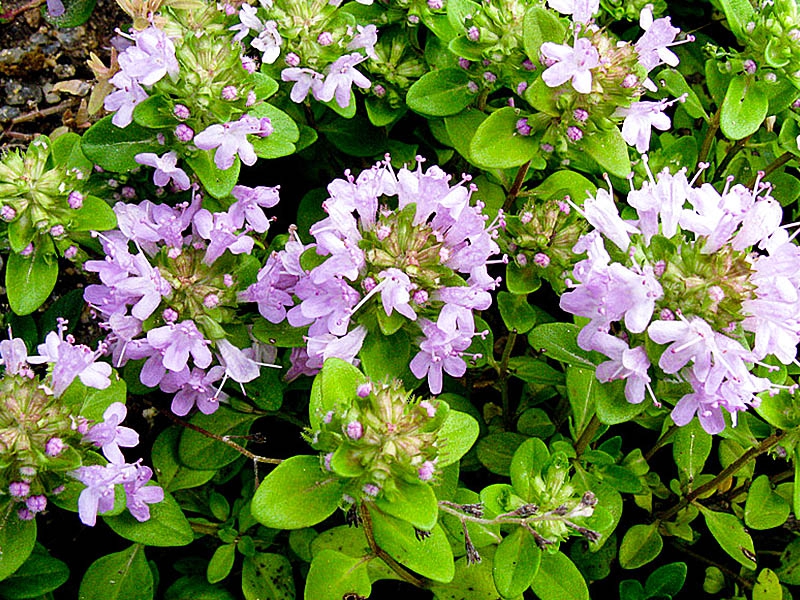
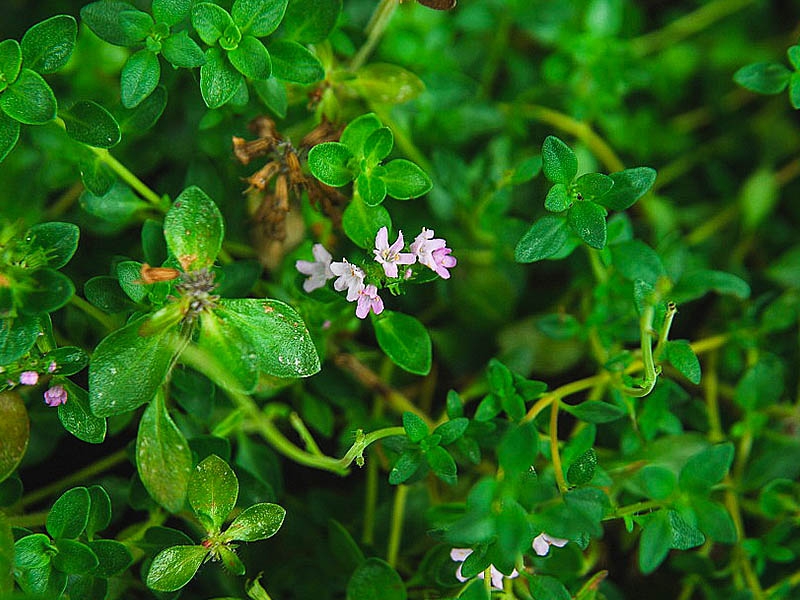
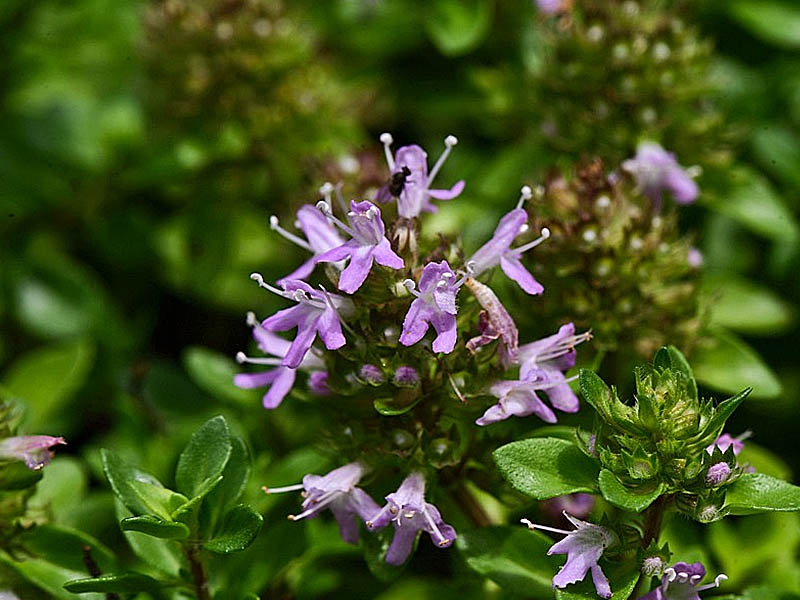
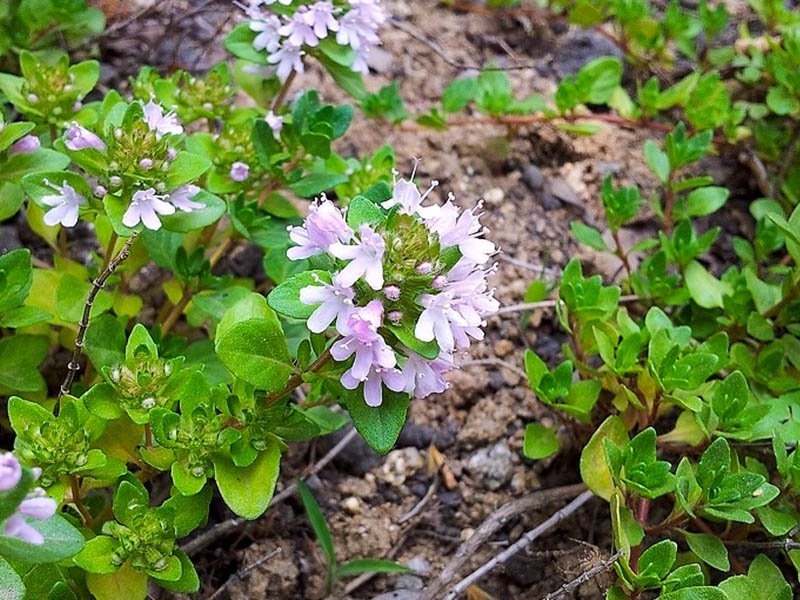
Thymus magnus is a small perennial plant that is highly popular primarily for its fragrant leaves and beautiful flowers. The following describes the plant's growth characteristics, propagation methods, cultivation techniques, garden uses, major pests and diseases, and control methods. Growth Characteristics - Growing Environment: It thrives with ample sunlight and prefers well-drained soil. Therefore, a sunny location with sandy soil is suitable. - Growth Pattern: It grows to a height of approximately 10–30 cm and spreads close to the ground. - Flowering Season: It typically blooms with small pink or purple flowers from spring through summer (June–July). Propagation Methods - Seed Propagation: It can be propagated by sowing seeds in the spring. Germination is best at temperatures of 15–20°C. - Cuttings: It can be propagated by cutting stems in spring or early autumn. Cuttings will take root if planted in a location where sufficient humidity is maintained. - Division: This is a method of transplanting mature plants by dividing them; it is best to do so in the spring or autumn. Cultivation Methods - Watering: It prefers relatively dry conditions, so care must be taken to avoid overwatering; water only when the soil becomes dry. - Fertilizer: Generally, special fertilizer is not required, but it is beneficial to apply a low concentration of organic fertilizer in the spring. - Weed Management: As weeds become excessive, they hinder growth, so remove them periodically. Uses in the Garden - Decorative Value: It is excellent for planting in rock gardens or in the shade under trees, and is used as a ground cover plant. Its beautiful flowers and fragrance enhance its decorative value in the garden. - Use as an Aromatic Plant: It is a culinary herb that can be utilized in salads, meat dishes, and more. Important Pests and Control Methods - Leaf Blight: This disease is associated with excessive moisture and can be prevented by ensuring good ventilation and improving drainage. - Pests: Aphids, moths, and other pests may infest the plant; in such cases, consider using eco-friendly insecticides or natural predators for control. - Care Tips: Avoid overcrowding for healthy growth and improve ventilation through regular pruning. Thymus magnus is a relatively easy-to-care-for and hardy plant, making it a good choice for gardeners.
Plant Type
Plant Family
Lamiaceae
Height
20~30cm
Spread
Colors
pink
Bloom Period
June~July
Water Needs
commonly
Exposure
semi-shaded area
Freezing Resistance
-10°C
thyme
Thymus quinquecostatus
time
Thymus vulgaris