English
한국어
English
Español
中文
हिंदी
Home
News
Community
Dictionary
English
한국어
English
Español
中文
हिंदी
View list
Casimiroa
Casimiroa edulis
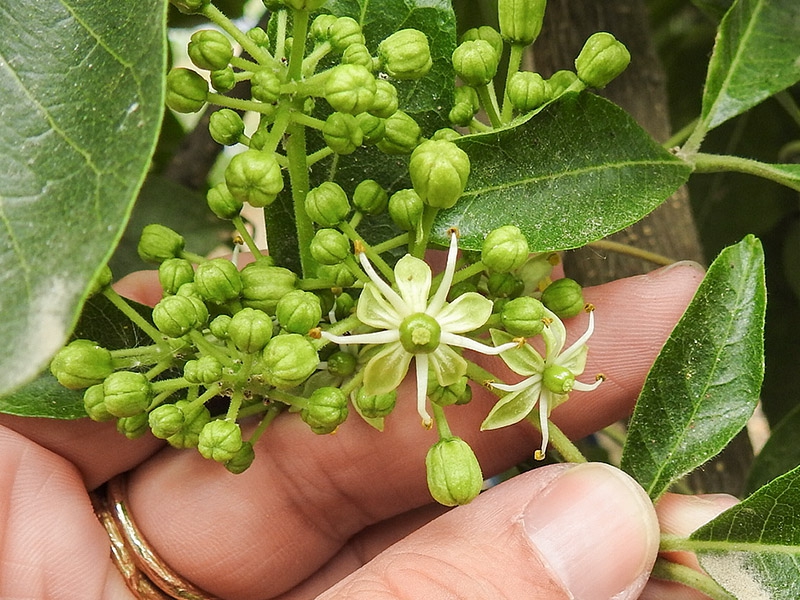
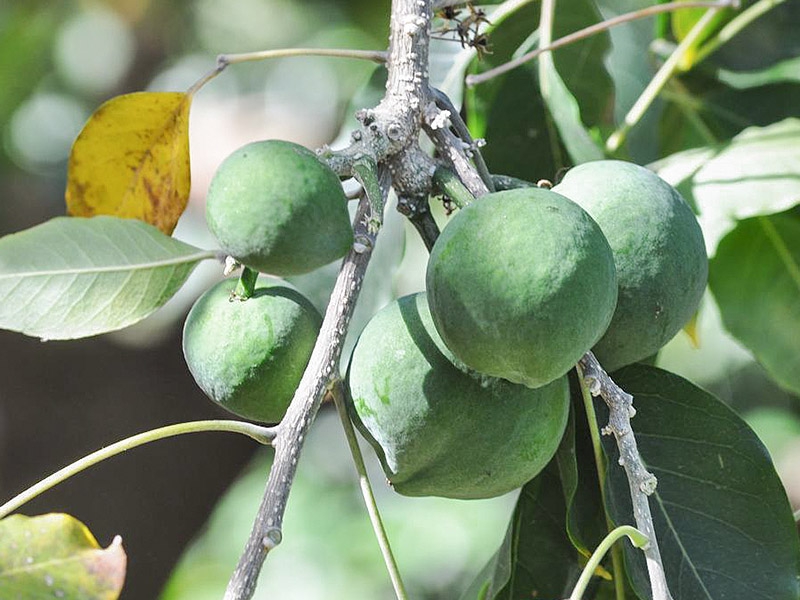
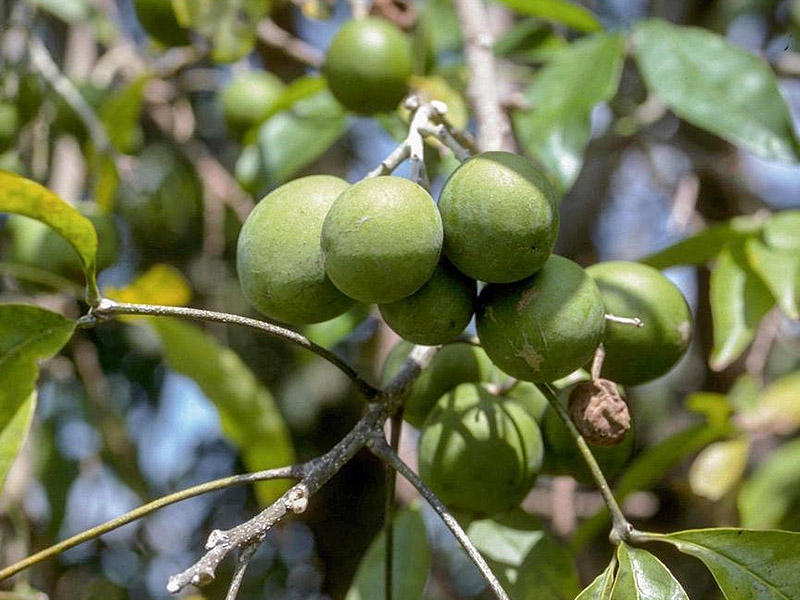
Casimiroa edulis is an evergreen tree native to Mexico and Central America, commonly known as Sapote. This tree is primarily cultivated for its fruit, which has a distinctive taste and aroma. Growth Characteristics - Climate: It thrives in warm subtropical and tropical climates and can tolerate light frost. - Sunlight: It prefers sunny locations but can also grow in partial shade. - Soil: It grows well in fertile, well-drained soil, with a pH range generally neutral to slightly acidic being suitable. - Watering: It requires plenty of water, but excessive moisture should be avoided. Consistent watering is necessary during dry periods. Propagation Methods - Seed Propagation: It is recommended to use fresh seeds. Germination may take some time, and the optimal germination temperature is approximately 20–25°C. - Grafting and Cuttings: It is often propagated commercially via grafting. Grafting is preferred to obtain fruit of stable quality. Cultivation Methods - Planting: It is generally suitable to plant in spring or early summer. Plant in well-draining soil and take care to prevent the roots from drying out. - Fertilization: It is recommended to apply a balanced fertilizer during the growing season. - Pruning: Pruning should be performed regularly to maintain the tree's shape and improve air circulation. Uses in the Garden - Landscape: It is valuable as a landscaping tree due to its unique leaf shape and fruit, and it grows into a tree capable of providing significant shade. - Fruit Production: Fruit can be harvested at home for consumption. Important Pests and Diseases & Control Methods - Diseases: Root rot and leaf fungal diseases may occur; improved drainage and proper ventilation are recommended control methods. - Pests: Damage from pests such as aphids and moths may occur. Control can be attempted using organic insecticides or natural predators. In particular, since Casimiroa edulis is somewhat cold-hardy, it is recommended to grow it indoors or in a greenhouse in cold regions. With proper care, you can maintain a healthy tree and harvest beautiful leaves and delicious fruit.
Plant Family
Rutaceae
Height
18m
Colors
green
Bloom Period
January to February
Water Needs
commonly
Exposure
semi-shaded area
Freezing Resistance
-5°C
Incana
Caryoteris incana
Seokgyeolmyeong
Senna occidentalis