English
한국어
English
Español
中文
हिंदी
Home
News
Community
Dictionary
English
한국어
English
Español
中文
हिंदी
View list
Seokgyeolmyeong
Senna occidentalis
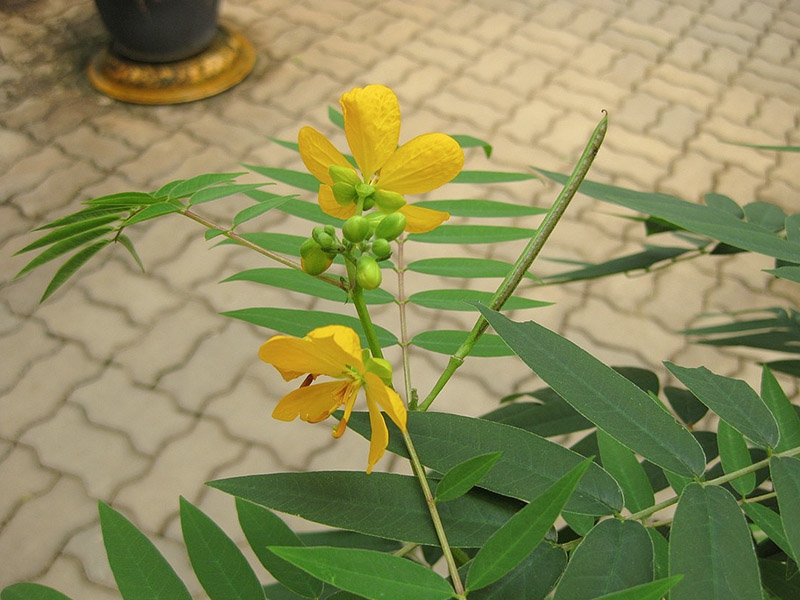
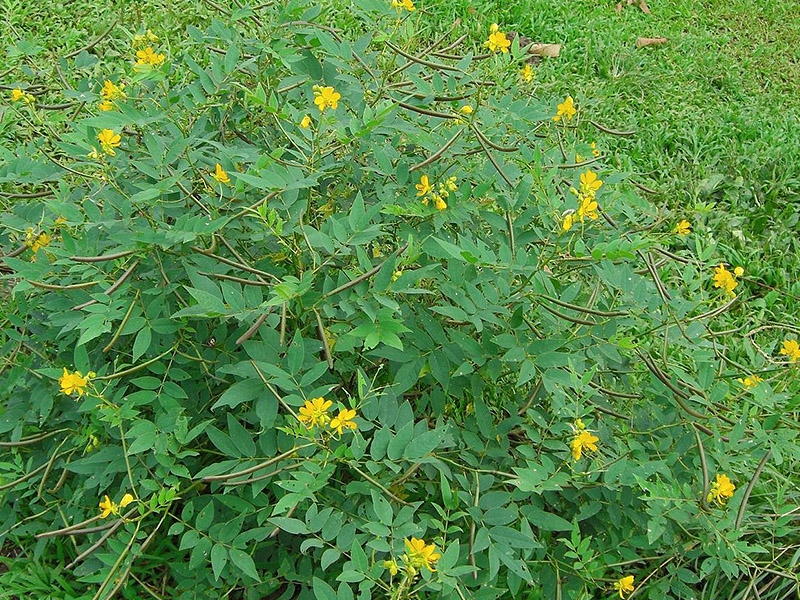
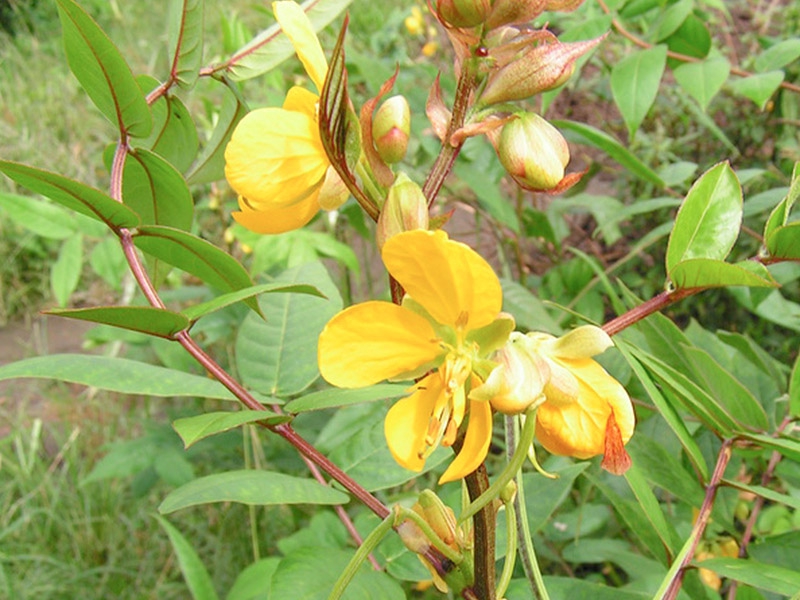
Senna occidentalis is a legume native to South America that thrives in warm climates. The following information covers the growth characteristics, propagation methods, cultivation techniques, garden uses, and major pests and control methods. Growth Characteristics - Climate: Senna occidentalis grows well in warm climates and flourishes in tropical and subtropical regions. - Soil: It prefers well-drained, fertile soil. It can grow well in soils with a wide range of pH levels, from acidic to neutral. - Sunlight: It thrives in sunny locations but can also grow to some extent in partial shade. - Temperature: It grows well in frost-free areas and can overwinter in regions with warm winters. Propagation Methods - Seeds: It can be propagated by seeds. To increase germination rates, it is recommended to soak the seeds in water for 24 hours before planting. - Sowing Season: It is primarily sown in spring or early summer. Cultivation Methods - Planting: Direct sow in well-drained soil or plant seedlings. Plant seeds at a depth of 1–2 cm. - Spacing: Space 30–50 cm between plants. - Watering: Water thoroughly during dry periods. - Fertilization: It is recommended to apply organic fertilizer regularly during the growing season. Garden Uses - Ornamental: Its beautiful yellow flowers make it suitable for garden ornamental purposes. - Soil Improvement: As a legume, it can contribute to soil nitrogen fixation. Important Pests and Control Methods - Diseases: Caution is required regarding fungal diseases. Ensure good ventilation between plants for prevention, and use registered fungicides if disease occurs. - Pests: Pests such as grasshoppers and aphids may occur; if damage is severe, use appropriate insecticides. Overall, while Gypsophila japonica is a relatively easy plant to manage, proper care in an appropriate environment is essential for optimal growth. You must help them grow into healthy plants through periodic observation and appropriate responses.
Plant Family
legumes
Height
50~150cm
Colors
yellow
Bloom Period
June to August
Water Needs
commonly
Exposure
Sunny
Freezing Resistance
-5°C
Casimiroa
Casimiroa edulis
Chapul
Chamaecrista nomame