English
한국어
English
Español
中文
हिंदी
Home
News
Community
Dictionary
English
한국어
English
Español
中文
हिंदी
View list
chestnut
Castanea crenata
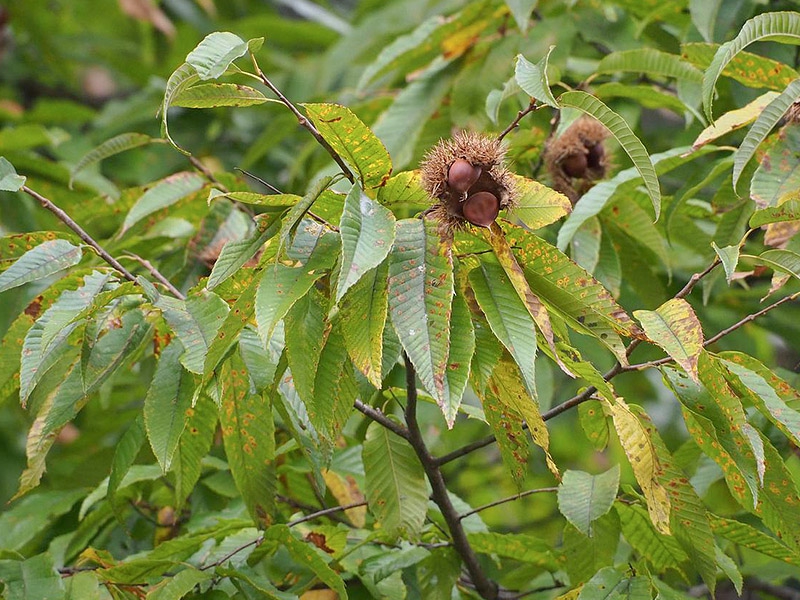
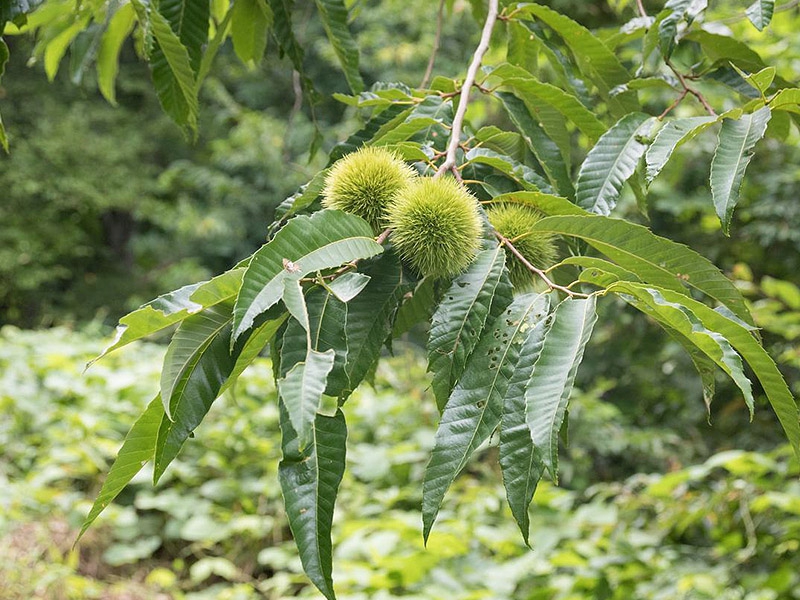
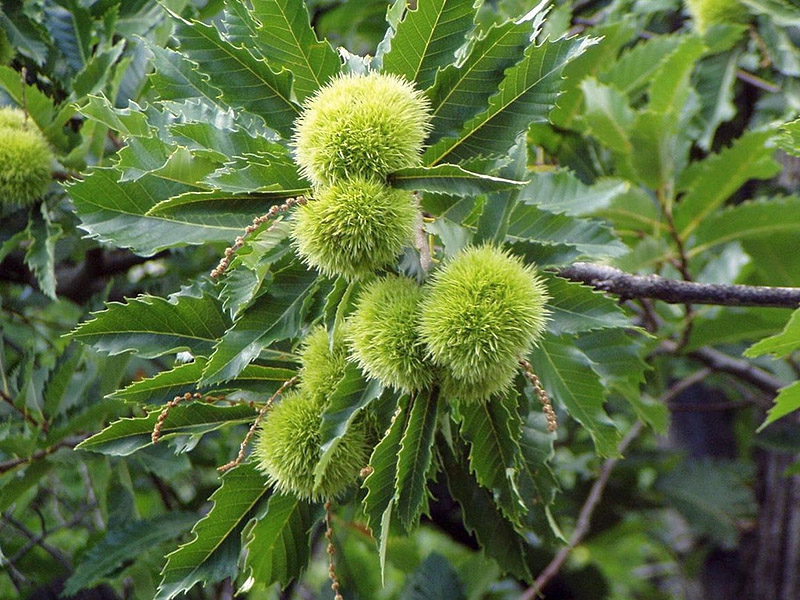
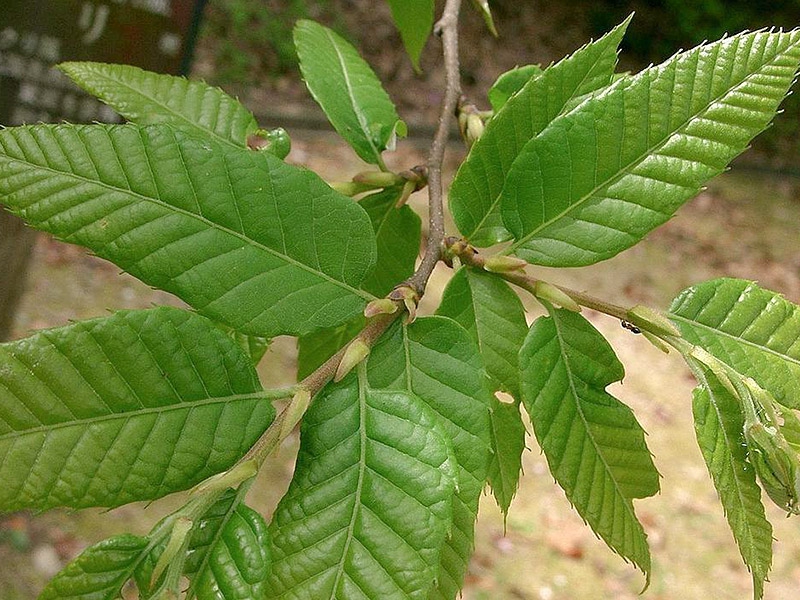
Growth Characteristics of Castanea crenata Castanea crenata is a deciduous tree native to East Asia, including Korea, Japan, and China, typically growing to a height of 10–20 meters. Its leaves are oval-shaped with serrated edges and are usually 10–20 cm long. It bears fruit in the autumn and produces the commonly known chestnut, known as 'Chuja'. Propagation Methods Chestnut trees are primarily propagated by seeds. Since germination is best when soil temperatures rise above approximately 15°C in the spring, it is recommended to plant chestnuts harvested in the autumn the following spring. The sprouted seedlings can be transplanted and grown in a suitable location. Cultivation Methods - Soil and Location: Chestnut trees prefer fertile soil with good drainage. They thrive in sunny locations and require at least 4 hours of direct sunlight. - Watering: Young trees require regular watering, while mature trees are somewhat tolerant of dry conditions. However, prolonged droughts should be avoided. - Fertilizer: Apply organic fertilizer in spring and autumn to promote growth. It is recommended to use compound fertilizers containing an appropriate mixture of nitrogen, phosphorus, and potassium. Uses in the Garden Chestnut trees are popular garden plants because they provide shade, beautiful flowers in spring, and edible fruit in autumn. Since they grow into large trees, they require ample space and are primarily planted in lawns or large gardens. Important Pests and Control Methods - Chestnut Moth: This is a leaf-eating pest that poses a significant threat to the tree's health if the damage is severe. In the early stages of infestation, biological insecticides can be used for control, or a solution of oil and soap can be applied. - Chestnut Shoot Moth: This primarily attacks new shoots and is controlled using chemical insecticides. - Aphids: These attach to leaves and suck sap, potentially causing significant damage. If aphids are abundant, remove them by regular watering or control them with soapy water. - Disease Control: Regularly manage the tree's shape to improve ventilation, and remove overcrowded branches to reduce the occurrence of diseases.
Plant Family
Oak family
Height
10~15m
Colors
white
Bloom Period
May~June
Water Needs
commonly
Exposure
Sunny
Freezing Resistance
-25°C
Cassiopeia Tetragona
Cassiope tetragona
Pumila tree
Castanea pumila