English
한국어
English
Español
中文
हिंदी
Home
News
Community
Dictionary
English
한국어
English
Español
中文
हिंदी
View list
Pumila tree
Castanea pumila
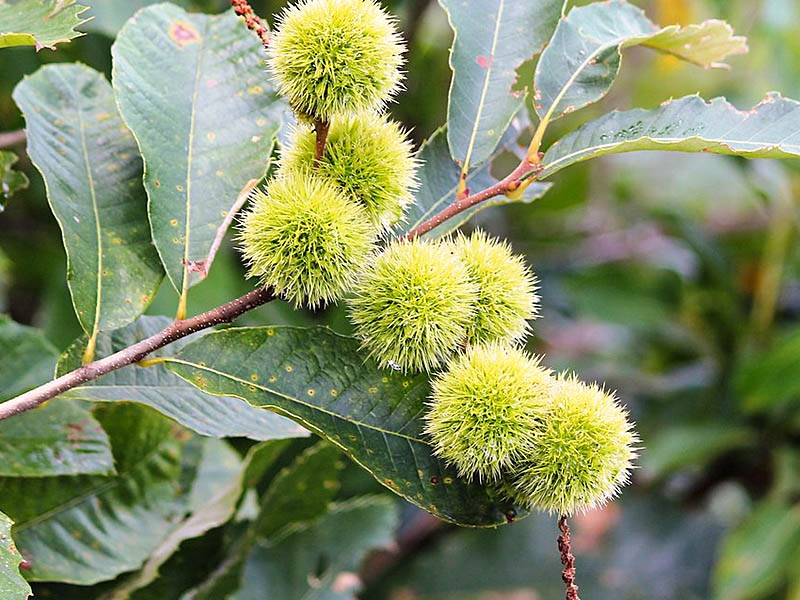
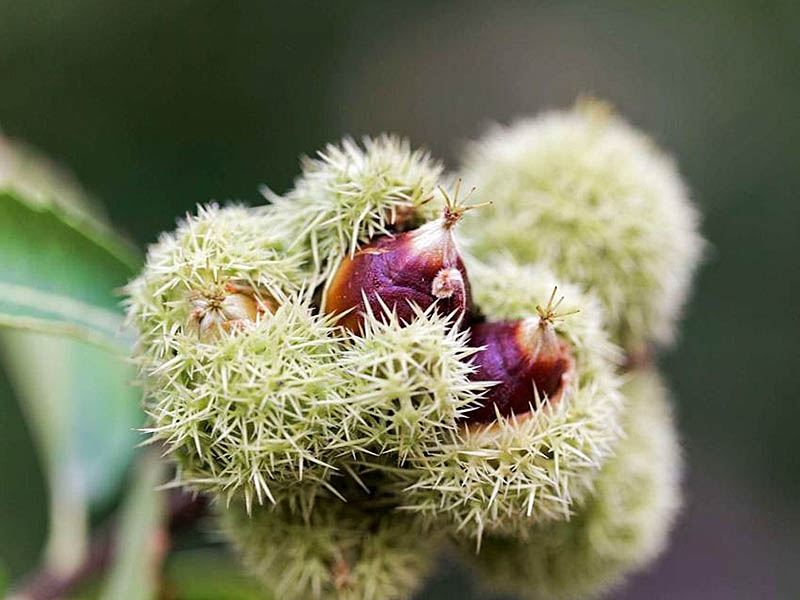
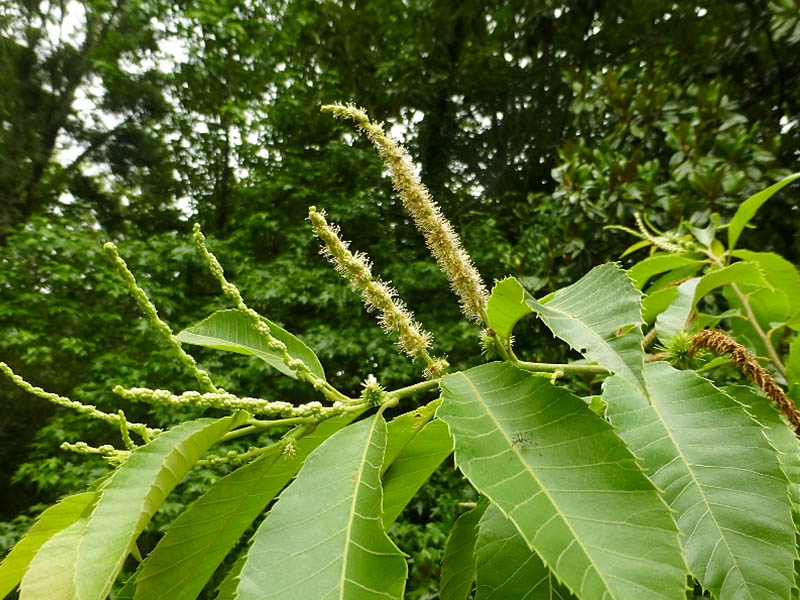
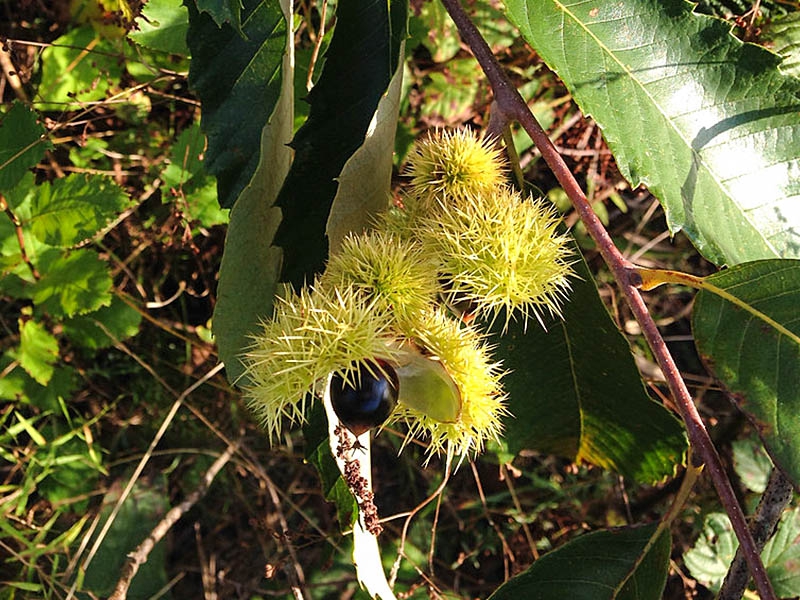
Pumila, or Castanea pumila, is a small chestnut tree native to the Americas and primarily possesses the following characteristics: Growth Characteristics - Size: Generally grows to a height of approximately 2 to 8 meters. - Leaves: Narrow and long, with serrated edges. - Resistance to High Temperature/Dryness: Has relatively strong tolerance. - Soil: Prefers well-drained, acidic soil. Propagation Methods - Seeds: Can be propagated by seeds; seeds harvested in the autumn can be sown immediately, or stored in the refrigerator and planted the following spring. - Grafting: Can also be propagated through grafting, which can promote faster growth. Cultivation Methods - Sunlight: Grows well in sunny locations. - Watering: Requires a steady supply of water, but overwatering should be avoided. - Fertilizer: Appropriate fertilizer suitable for the growing season must be supplied. Uses in the Garden - Ornamental Tree: It is used as an ornamental tree due to its small size and beautiful leaf shape. - Edible Fruit: The small chestnuts can be eaten. Important Pests and Control Methods - Chestnut Leaf Beetle: It damages the leaves; control it using soapy water or specialized insecticides upon early detection. - Fungal Diseases: These can occur due to excessive moisture; ensure thorough drainage management and use fungicides if necessary. - Root Rot: Avoid repeated overwatering and manage the plant by watering only after the soil has dried. Based on this information, you can properly care for and utilize the Pumila Chestnut in your garden.
Plant Family
Oak family
Height
4.5~9m
Spread
3~6m
Colors
white
Bloom Period
May to July
Water Needs
commonly
Exposure
Sunny
Freezing Resistance
-30°C
chestnut
Castanea crenata
chestnut tree
Castanea mollissima