English
한국어
English
Español
中文
हिंदी
Home
News
Community
Dictionary
English
한국어
English
Español
中文
हिंदी
View list
European chestnut tree
Castanea sativa
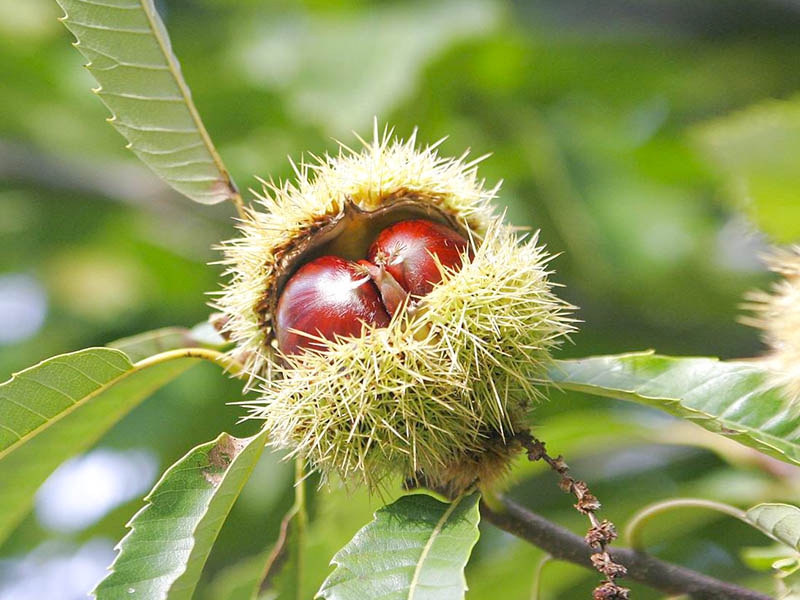
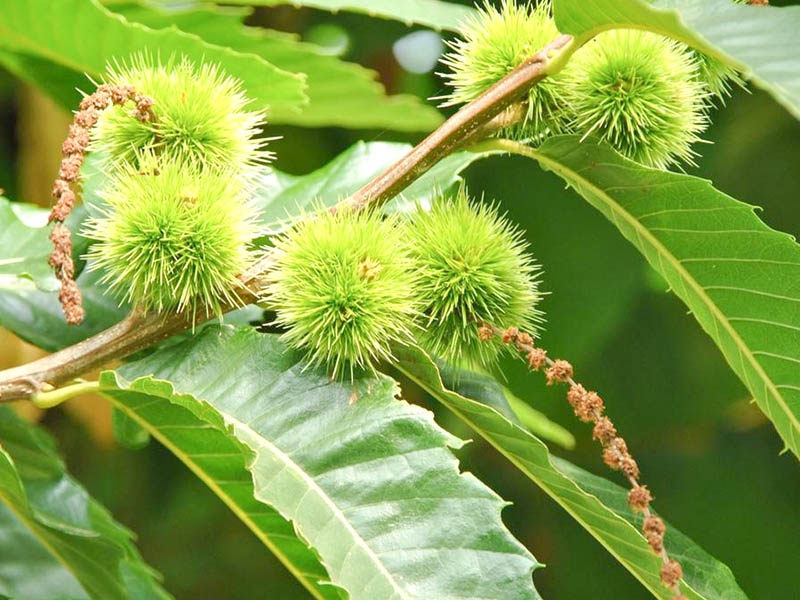
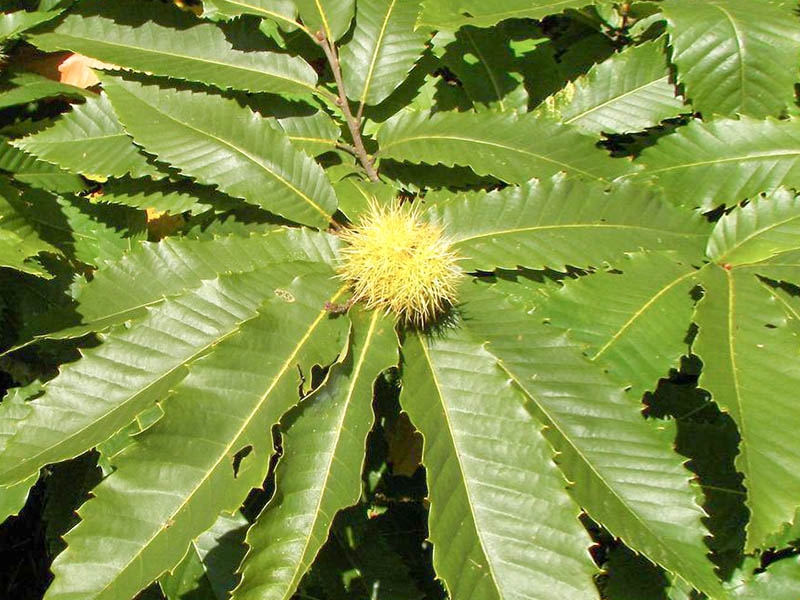
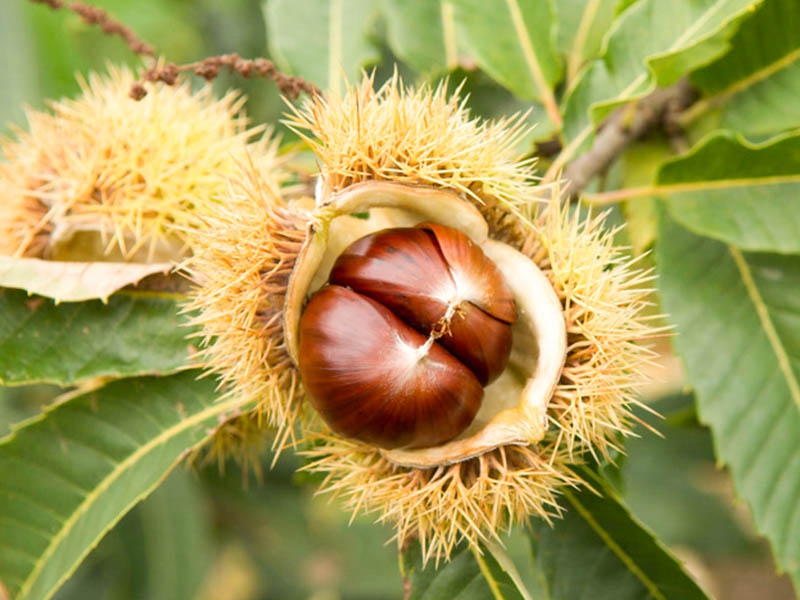
Growth Characteristics of the Chestnut Tree (Castanea crenata) The chestnut tree is a deciduous tree that thrives primarily in temperate regions. It can grow up to a height of approximately 20 meters. Its leaves are alternate, oval-shaped with pointed tips and serrated edges. It flowers in the summer and bears chestnuts in the autumn. Propagation Methods Chestnut trees are primarily propagated by seeds. Germination rates are high if mature fruits are harvested in the autumn, the inner shell is removed, and they are planted immediately. While propagation is also possible through grafting or cuttings, these methods are relatively more difficult and require more time and effort compared to seed propagation. Cultivation Methods Chestnut trees grow well in well-drained, nutrient-rich soil. It is best to grow them in a location with plenty of sunlight, and sufficient water supply is required during the early growth stages. Chestnut trees prefer cool, well-ventilated environments. Fertilizer is applied mainly in the spring and autumn, and a balanced supply of nitrogen, phosphorus, and potassium should be provided according to the growth stage. Use in Gardens When planted in a garden, chestnut trees serve to provide shade and abundant greenery. The trees themselves have decorative value, and they offer the advantage of harvesting delicious fruit in the autumn. However, pruning may be necessary during the fruit drop season. Important Pests and Diseases and Control Methods - Chestnut Leaf Blight: This disease is caused by a fungus; leaves turn brown, and in severe cases, they fall off. To prevent this, it is recommended to create a well-ventilated environment and use appropriate fungicides when an outbreak occurs. - Chestnut Leafhopper: This pest gnaws on the tree's new branches. For control, apply insecticides preventively in early spring or autumn. - Chestnut Water Chestnut Raspberry Moth: This gnaws on leaves, hindering growth. If damage is severe, control it using a dedicated insecticide. Regular observation and management are crucial for pest control, and taking appropriate measures at the early stages of infestation is the best way to minimize damage.
Plant Family
Oak family
Height
24~30m
Spread
9~15m
Colors
green
Bloom Period
April to August
Water Needs
commonly
Exposure
Sunny
Freezing Resistance
-15°C
chestnut tree
Castanea mollissima
Japanese buckwheat chestnut tree
Castanopsis cuspidata