English
한국어
English
Español
中文
हिंदी
Home
News
Community
Dictionary
English
한국어
English
Español
中文
हिंदी
View list
hackberry tree
Celtis sinensis
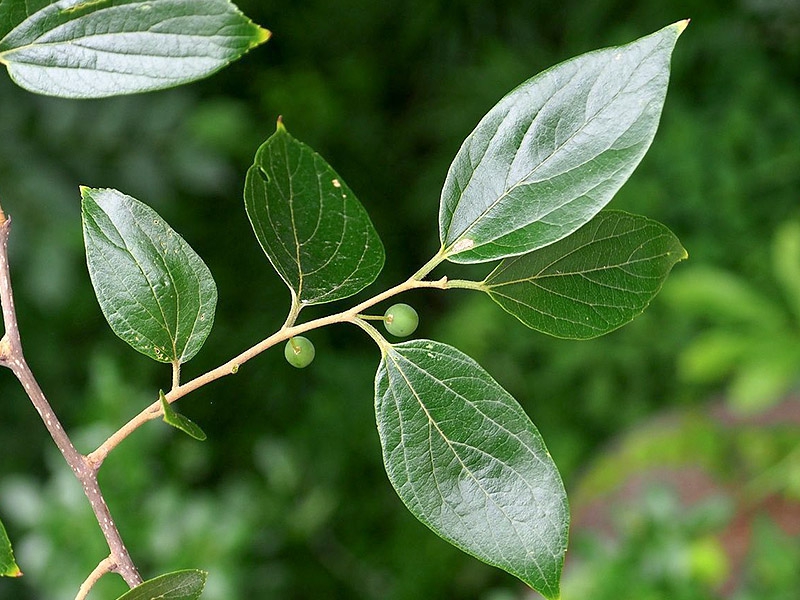
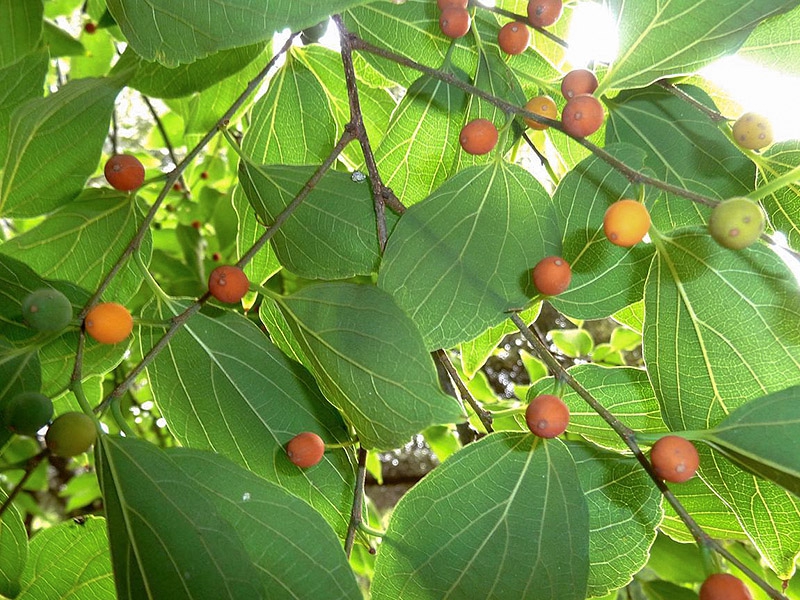
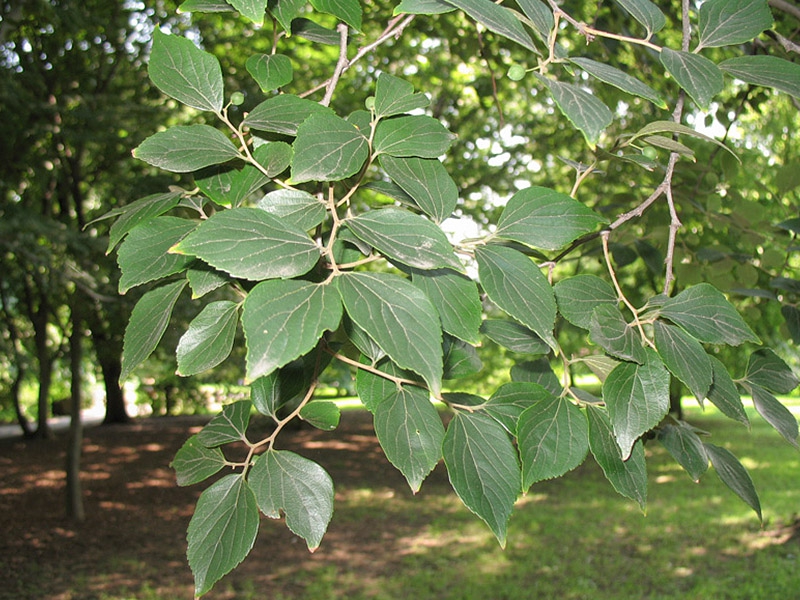
Celtis sinensis is a deciduous tree native to East Asia, including Korea. It possesses the following characteristics regarding growth, propagation, cultivation, garden uses, major pests and diseases, and control methods. Growth Characteristics - Growth Environment: Celtis sinensis prefers sunlight but thrives in partial shade. It prefers fertile, well-drained soil and is highly adaptable to various environments. - Height and Shape: Mature trees typically grow to 10–20 meters in height and form a rounded crown. - Leaves and Flowers: The leaves are alternate and oval-shaped, turning yellow in autumn. The flowers bloom in spring; they are small, inconspicuous, and green. Propagation Methods - Seed Propagation: Seeds are collected from ripe fruits harvested in autumn. After cold stratification during the winter, they are sown the following spring. - Propagation by Cuttings: New branches can be cut during the summer to induce rooting under suitable conditions. Cultivation Methods - Soil: Cultivate in well-drained soil and provide nutrients using organic fertilizers as needed. - Watering: Water adequately during dry periods, but avoid overwatering. - Pruning: Manage the tree's shape by pruning branches in spring or autumn as needed. Uses in Gardens - Hackberry trees are suitable as landscape trees due to their beautiful form and lush foliage. They are also widely used as landscaping trees in gardens and parks because they provide shade and act as windbreaks. Important Pests and Diseases & Control Methods - Diseases: Hackberry trees are relatively resistant to disease, but leaf blight may occur rarely. Remove diseased leaves and use antimicrobial agents if necessary. - Pests: Pests such as aphids may occur; these can be controlled using eco-friendly insecticides. If chemical control is desired, apply insecticides at the appropriate time. - Other Care: Regularly inspect the tree's condition to prevent pests and diseases, and provide appropriate care suited to environmental conditions. The hackberry (Celtis sinensis) is relatively easy to care for, and if the right environment and care methods are followed, it is a tree that can grow beautifully in the garden for a long time.
Plant Family
Elm family
Height
20m
Colors
white
Bloom Period
May
Water Needs
commonly
Exposure
Sunny
Freezing Resistance
-20°C
Celosia 'Asian Garden'
Celosia argentea
'Asian Garden'
King hackberry
Celtis koraiensis