English
한국어
English
Español
中文
हिंदी
Home
News
Community
Dictionary
English
한국어
English
Español
中文
हिंदी
View list
Black cypress
Celtis choseniana
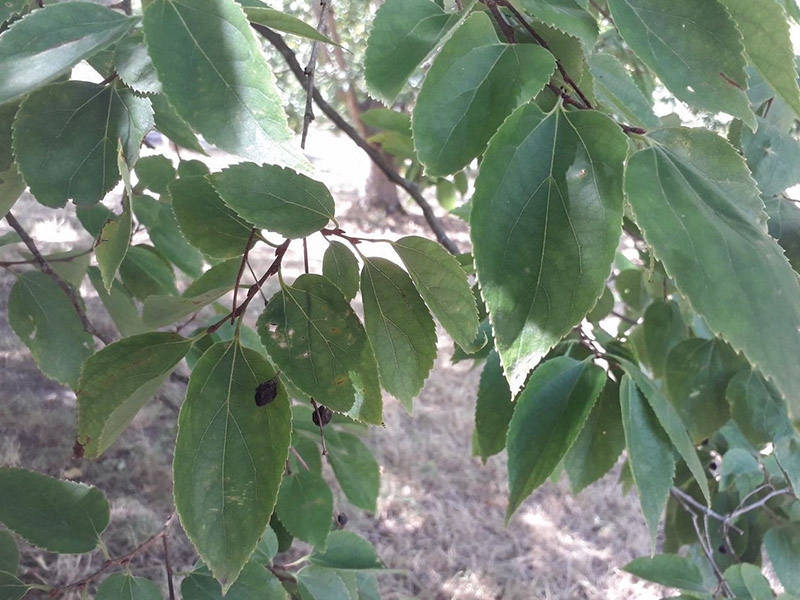
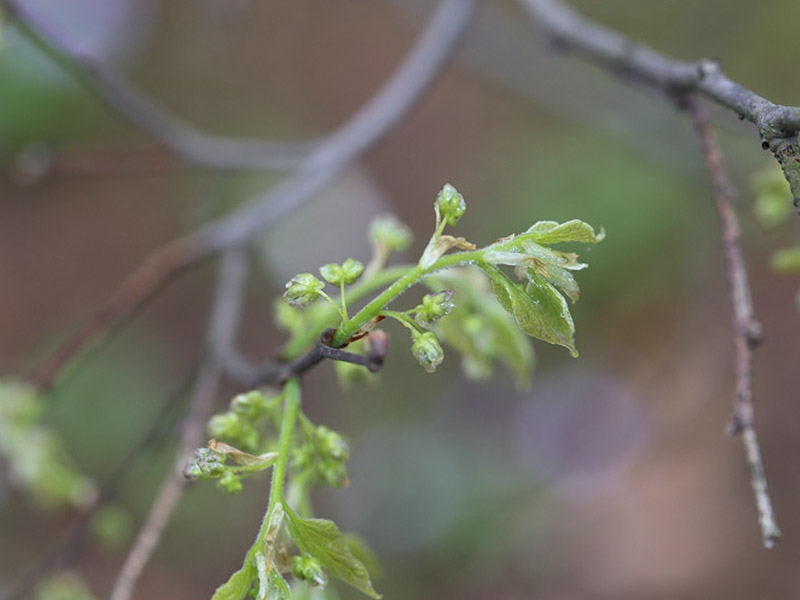
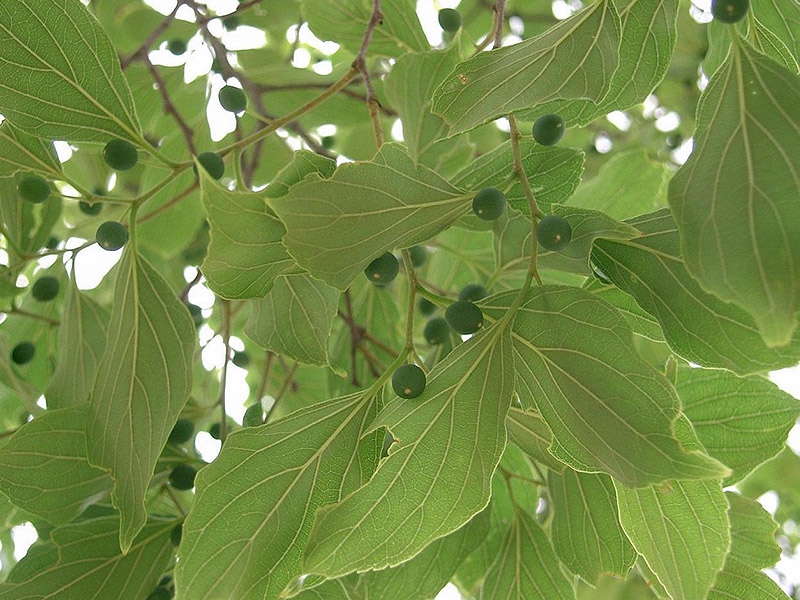
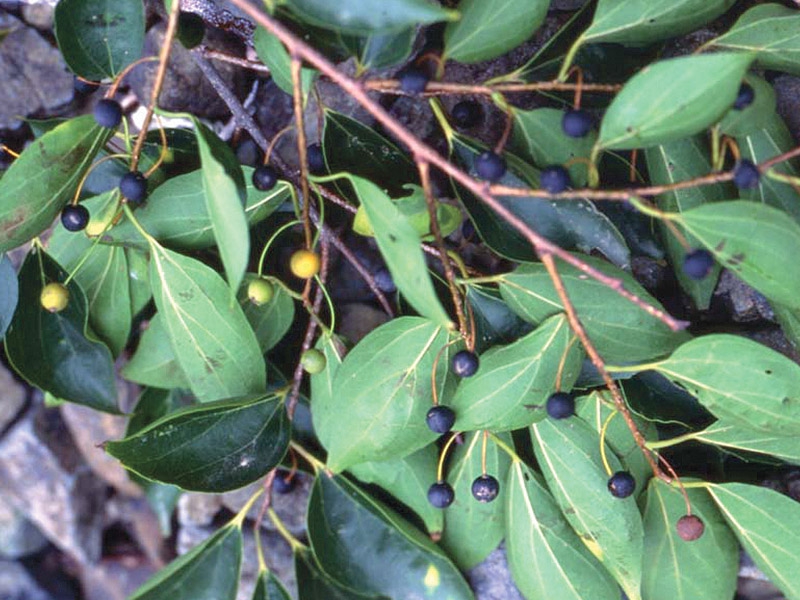
Celtis choseniana is a deciduous broad-leaved tree native to Korea, characterized by the following growth characteristics and cultivation methods. Growth Characteristics - Habitat: It primarily grows in sunny or partial shaded areas in mountainous regions. - Size: Mature trees grow up to 20 meters in height and have a conical tree shape. - Leaves: The leaves are oval-shaped with serrated margins. - Flowering: Pale green flowers bloom in the spring. Propagation Methods - Seed Propagation: Collect seeds from mature fruits and sow them directly in the autumn, or store them in the refrigerator and sow them the following spring. - Cuttings: New branches can be cut and propagated during the summer. Cultivation Methods - Soil: It prefers fertile, well-drained soil. - Location: A sunny location is ideal, but it can also grow in partial shade. - Watering: Moderate watering is necessary in the early stages, but mature trees are drought-tolerant. - Fertilization: Apply slow-release fertilizer in the spring. Uses in Gardens - Landscape Tree: Due to its unique tree shape and leaf color, it is widely used as a landscape tree in gardens and parks. - Shade Tree: Its tall stature makes it suitable as a shade tree. Important Pests and Control Methods - Diseases: Leaf blight or root rot may occur. To prevent this, ensure good drainage so that the roots do not become submerged in water. - Pests: Aphids and scale insects are common pests. If discovered early, wash them off with water or use an appropriate insecticide. Cusseniana is relatively easy to care for and adapts well to various environments, making it suitable as a garden tree. It can be maintained as a healthy tree through proper care and pest control.
Plant Family
Elm family
Height
25m
Colors
white
Bloom Period
May
Water Needs
commonly
Exposure
Sunny
Freezing Resistance
-30°C
King hackberry
Celtis koraiensis
Mountain hackberry
Celtis aurantiaca