English
한국어
English
Español
中文
हिंदी
Home
News
Community
Dictionary
English
한국어
English
Español
中文
हिंदी
View list
Mountain hackberry
Celtis aurantiaca
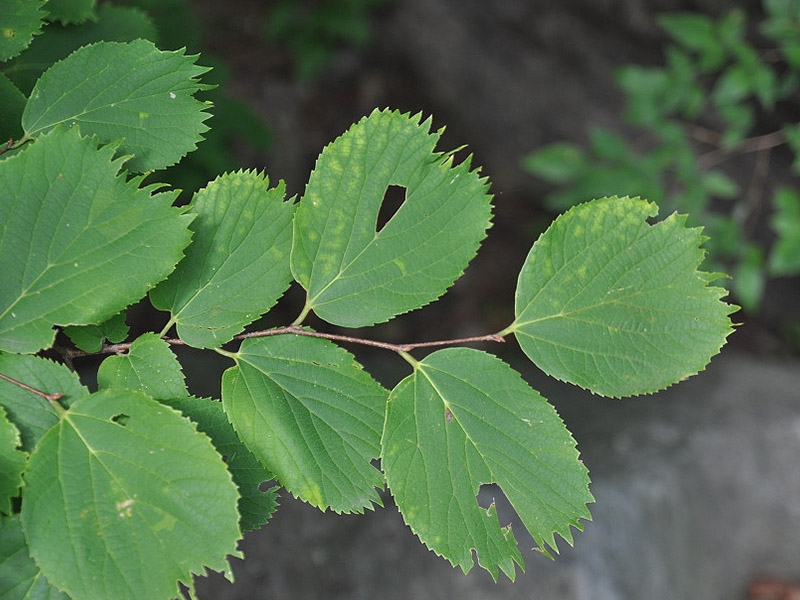
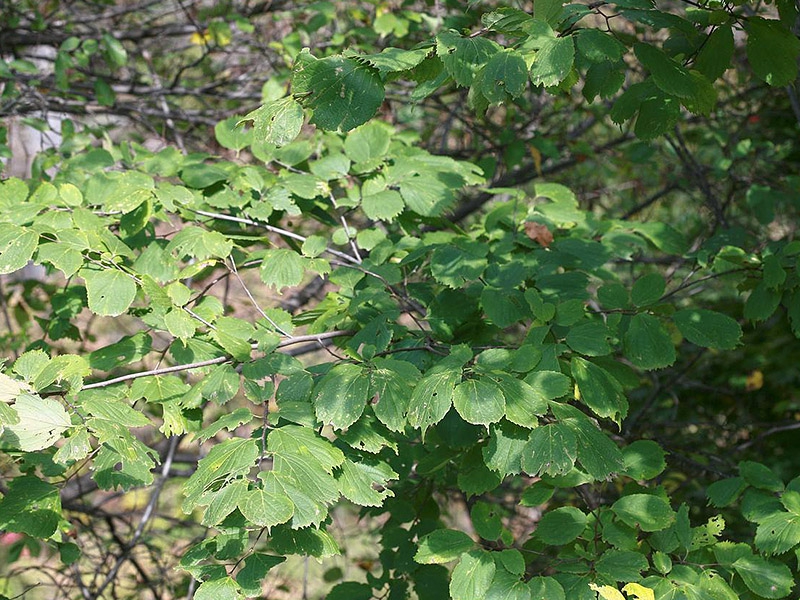
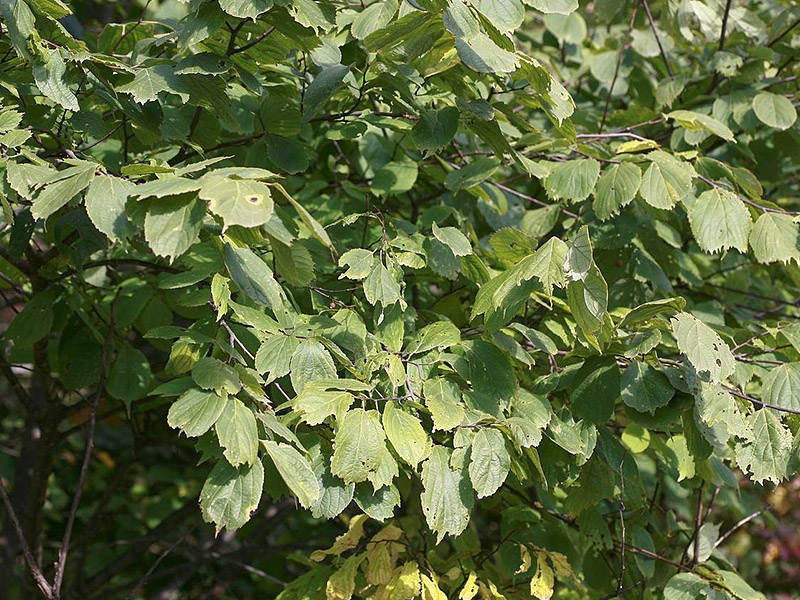
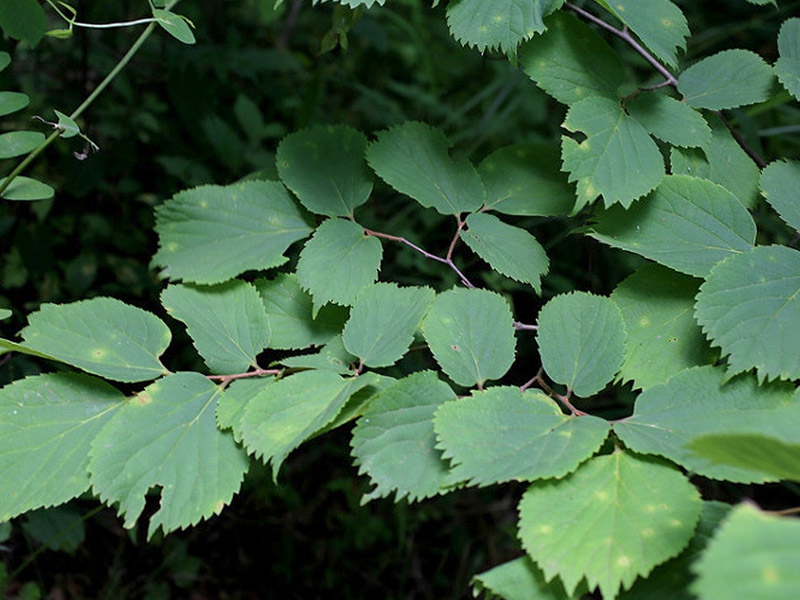
Growth Characteristics Celtis aurantiaca is a deciduous broad-leaved tree native to temperate regions, typically growing to a height of 10–20 meters. This tree thrives in moist yet well-drained soil; while it prefers sunlight, it can tolerate partial shade to some extent. Propagation Methods Celtis aurantiaca is primarily propagated by seeds. After thoroughly washing fruits collected in the autumn, cold stratification can be applied to promote germination. Propagation is also possible via cuttings in late spring or early summer. Cultivation Methods - Soil: It prefers well-drained soil. The ideal soil pH is between neutral and slightly acidic. - Watering: Young trees should be watered frequently to promote root growth, while mature trees only need to be watered during dry periods. - Fertilizer: Applying an appropriate amount of organic fertilizer during the spring growing season can aid growth. - Pruning: Pruning is performed in winter to improve the structure or remove diseased branches. Uses in the GardenThe Japanese Zelkova (Aurantiacia) is a popular garden tree because it provides shade and offers beautiful autumn foliage. It is also utilized in soil stabilization and environmental restoration projects. Important Pests and Control Methods - Diseases: Fungal diseases can primarily occur on the leaves and stems. To prevent this, ensure good ventilation and use fungicides as needed. - Pests: Damage from aphids or scale insects may occur. Control measures involve physically removing insects or using eco-friendly insecticides. The Japanese Zelkova (Aurantiacia) is a relatively easy tree to care for; it thrives under the right conditions and can contribute to a relaxing garden life.
Plant Family
Elm family
Height
20m
Colors
white
Bloom Period
April~May
Water Needs
commonly
Exposure
Sunny
Freezing Resistance
-15°C
Black cypress
Celtis choseniana
Wind cypress
Celtis jessoensis