English
한국어
English
Español
中文
हिंदी
Home
News
Community
Dictionary
English
한국어
English
Español
中文
हिंदी
View list
Wind cypress
Celtis jessoensis
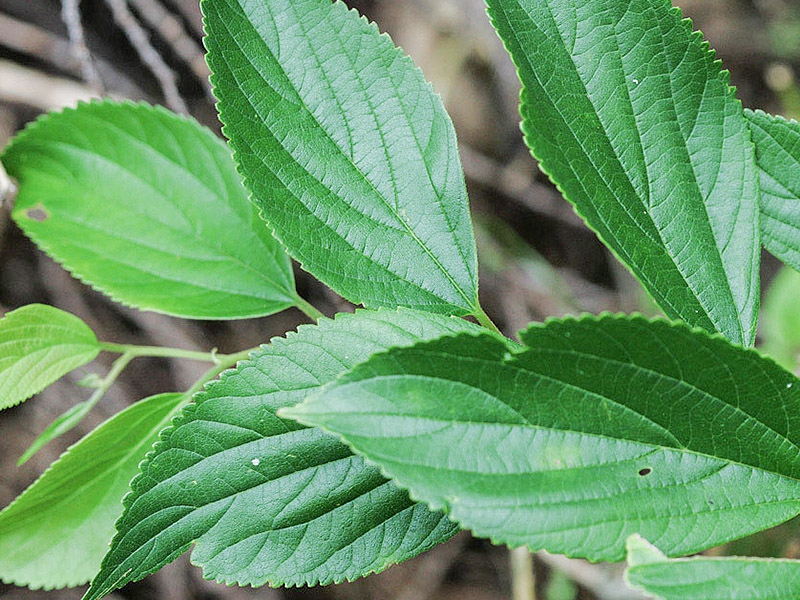
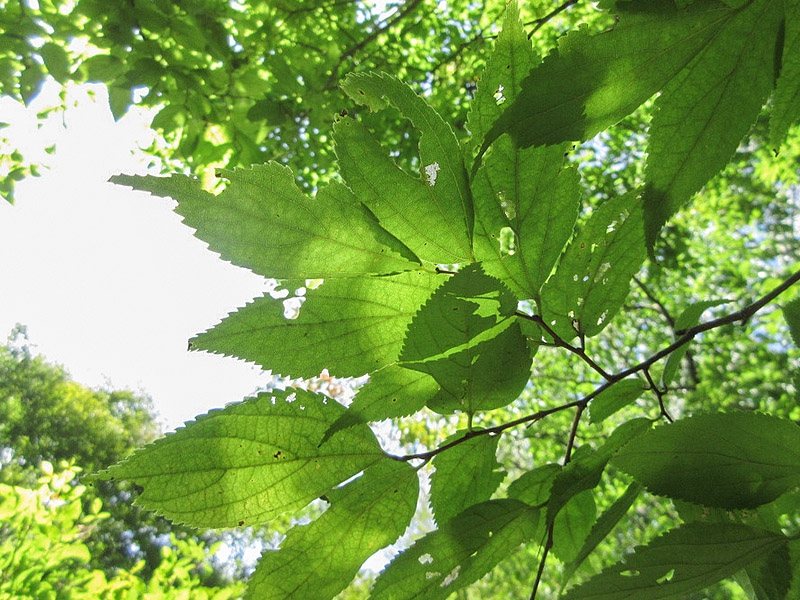
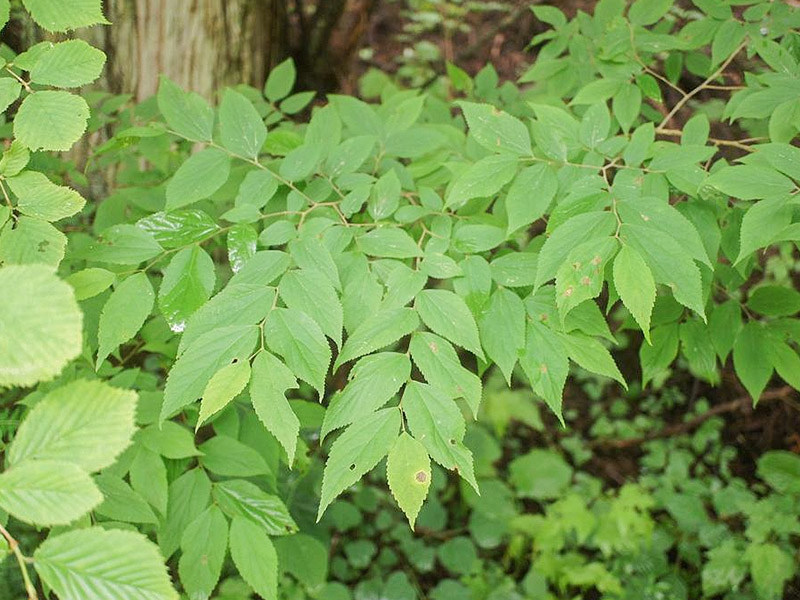
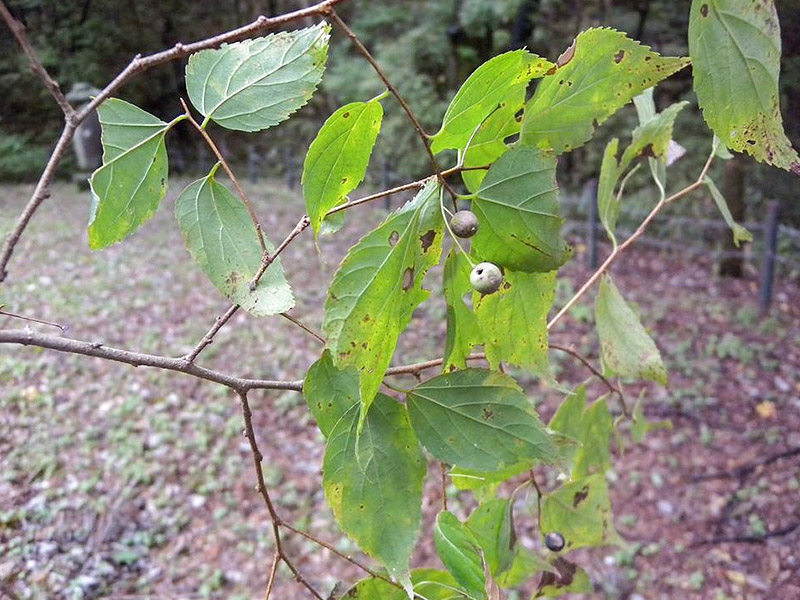
Celtis jessoensis #Growth Characteristics Celtis jessoensis is a deciduous broad-leaved tree native to Korea, Japan, and northeastern China. It grows to a height of 15 to 20 meters. Its leaves are alternate, oval or egg-shaped with pointed tips and shallow serrations along the edges. In autumn, the leaves turn yellow. #Propagation Method This tree primarily propagates through seeds. Fruits form between summer and autumn and turn black when ripe. Since the germination rate of seeds increases after passing through a cold winter, it is recommended to refrigerate seeds harvested in autumn and plant them the following spring. #Cultivation Method - Soil: It prefers well-drained and fertile soil. - Sunlight: It thrives in areas with ample sunlight, but can also grow in partial shade. - Watering: It requires sufficient water during the initial growth stage, but thereafter, relying on natural precipitation is sufficient. - Pruning: Proper pruning promotes healthy growth. It is typically performed in late winter. #Uses in Gardens The Japanese zelkova is suitable for gardens to provide shade or enhance ecological diversity. It is also popular as a landscape plant due to its beautiful yellow autumn foliage. #Important Pests and Control Methods - Diseases: Leaf blight may occur. If it develops, remove diseased leaves and control it using an appropriate fungicide. - Pests: Caterpillars or aphids may appear. Inspect the tree periodically and physically remove them immediately upon discovery, or use an appropriate insecticide. - Other Control Methods: Keep the surrounding environment clean, and use fungicides and insecticides preventively during periods when pests are likely to occur. Through these management methods, you can cultivate a healthy Japanese zelkova (Jesoinsis).
Plant Family
Elm family
Height
10~20m
Colors
White, yellow, green
Bloom Period
May
Water Needs
commonly
Exposure
semi-shaded area
Freezing Resistance
-30°C
Mountain hackberry
Celtis aurantiaca
Yellow hackberry
Celtis edulis