English
한국어
English
Español
中文
हिंदी
Home
News
Community
Dictionary
English
한국어
English
Español
中文
हिंदी
View list
thyme
Thymus pseudolanuginosus
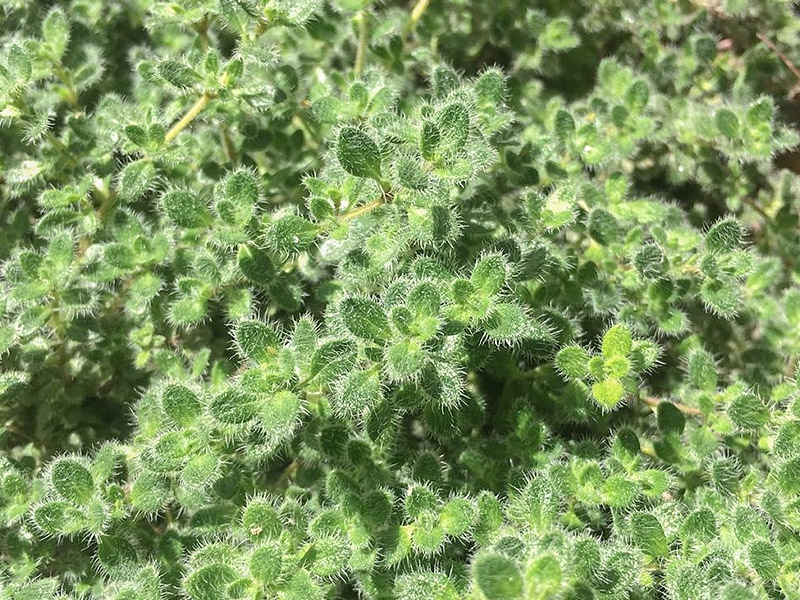
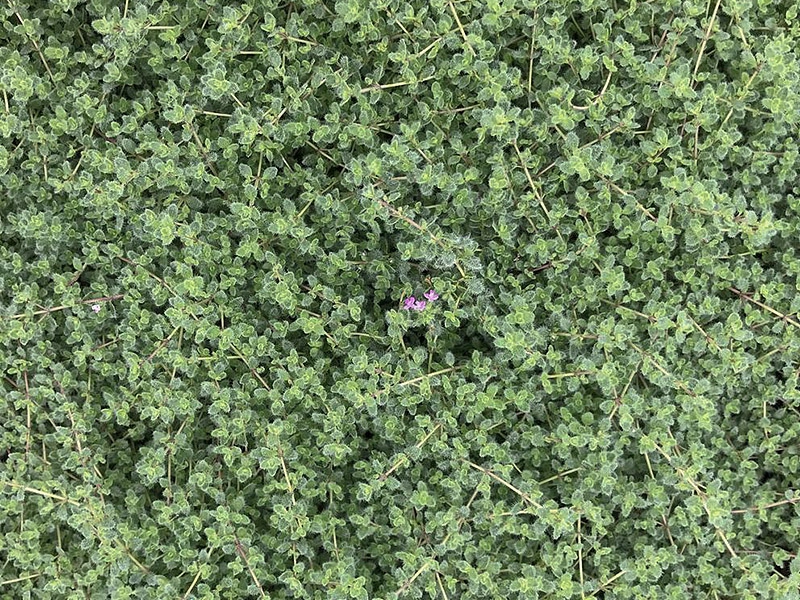
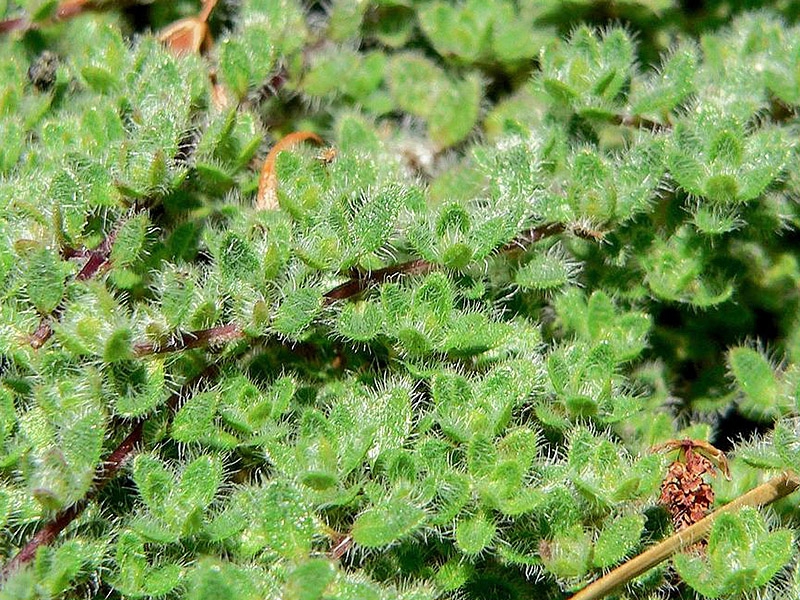
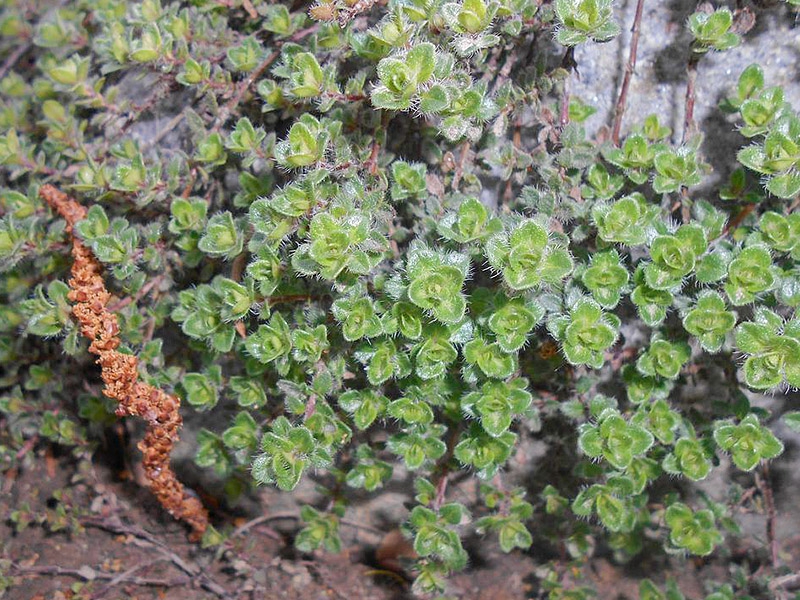
I will explain the growth characteristics, propagation methods, cultivation methods, garden uses, and major pests and control methods of Thymus pseudolanuginosus. Growth Characteristics Thymus pseudolanuginosus is a low-growing perennial plant primarily used as ground cover. It features small, silvery-gray leaves and pink or purple flowers characterized by a fragrant scent. It thrives in sunny locations and prefers well-drained soil. It is highly cold-hardy and can withstand winter conditions. Propagation MethodsThymus pseudolanuginosus can mainly be propagated by cuttings or seed sowing. For cuttings, healthy stems are cut in spring or early summer, placed in water, and can be transplanted once roots develop. For seed sowing, it is common practice to start indoors in the spring and transplant outdoors when it is safe. Cultivation Methods - Soil Preparation: Plant in well-draining, lightweight soil. If necessary, mix in sand or gravel to improve drainage. - Location: Choose a sunny location. - Watering: Avoid overwatering; water only when the surface becomes dry. - Fertilizer: Generally, it does not require significant fertilizer, but a small amount of slow-release fertilizer can be used in the spring to aid growth. - Pruning: Periodic pruning is necessary to maintain propagation and shape. Uses in the GardenDue to its low-growing, spreading nature, Thymus pyretognosus is frequently used in gardens to soften boundaries or fill empty spaces. It offers significant aesthetic advantages with its pleasant fragrance and beautiful flowers, and has a positive ecological impact by attracting bees and butterflies. Major Pests and Control Methods - Diseases: Caution is required as root rot can occur due to overwatering. Pay attention to drainage and regulate watering. - Pests: Pests such as aphids or spider mites may infest the plant. In the early stages, wash with water, and in severe cases, use an appropriate insecticide. - Prevention: Regular observation and maintaining a clean growing environment are important. Pay particular attention to moisture management and arrange the plant in a well-ventilated area. Thymus pseudoranuginosus is an easy-to-care-for plant that offers unique aesthetic value, making it a suitable choice for gardening.
Plant Type
Plant Family
Lamiaceae
Height
5~7cm
Spread
25~30cm
Colors
pink
Bloom Period
March to August
Water Needs
Bad
Exposure
Sunny
Freezing Resistance
-10°C
Western thyme 'Elfin'
Thymus serpyllum 'Elfin'
Thyme coccineus group
Thymus Coccineus Group