English
한국어
English
Español
中文
हिंदी
Home
News
Community
Dictionary
English
한국어
English
Español
中文
हिंदी
View list
Small-leaved crab tree
Celtis bungeana
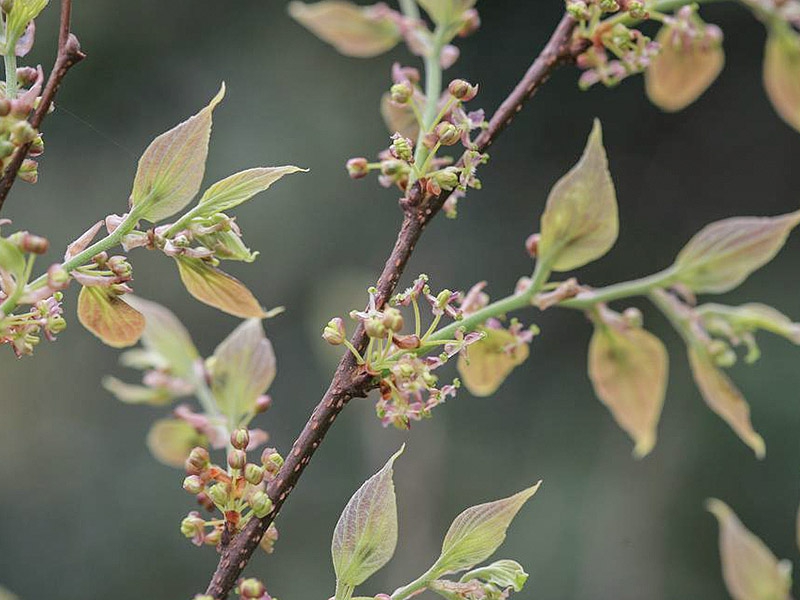
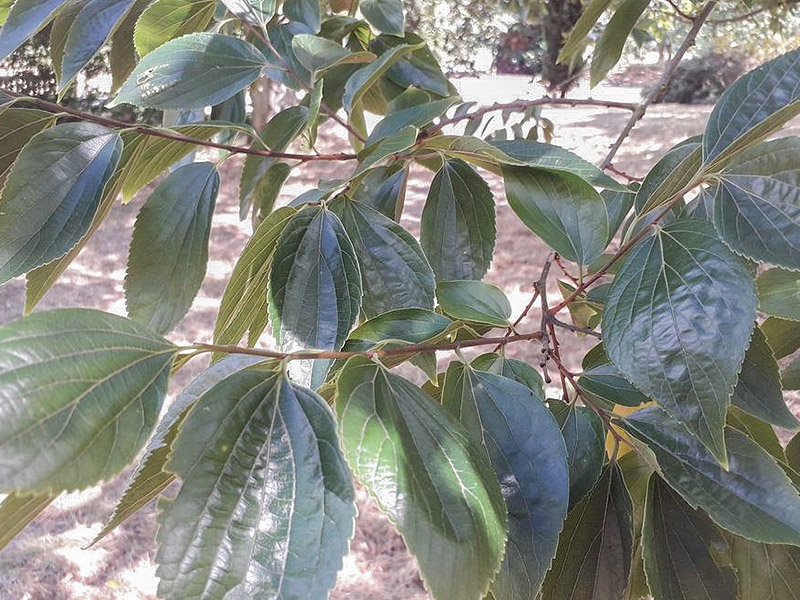
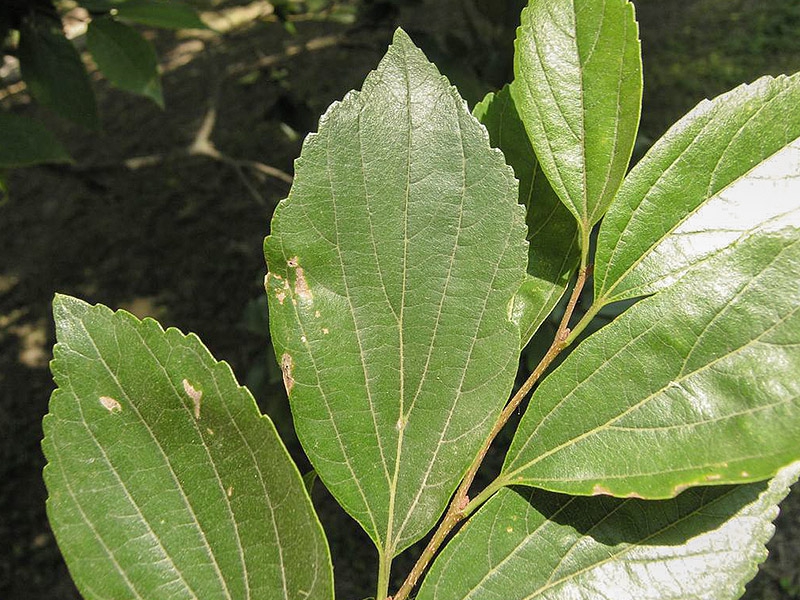
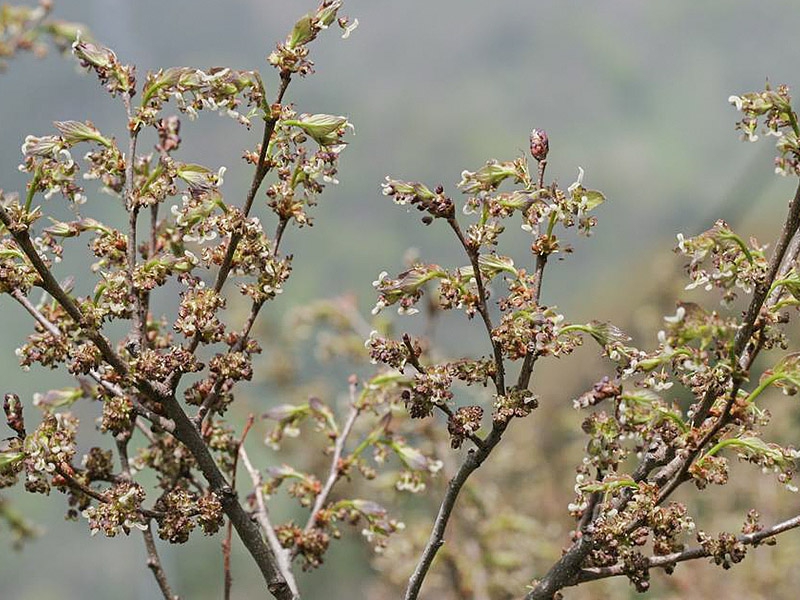
Celtis bungeana is a tree native to East Asia, including Korea, and is characterized by its ability to thrive in diverse environments. The following is information regarding the tree's key characteristics, cultivation methods, and management. Growth Characteristics - Growing Environment: Celtis bungeana thrives primarily in sunny locations and grows particularly healthily in well-drained soil. - Size: This tree typically grows up to 10 meters tall and has a spreading canopy. - Leaves and Flowers: The leaves are broad and oval-shaped with serrated margins. The flowers are small and inconspicuous, usually blooming in the spring. Propagation Methods - Seeds: Propagation is possible via seeds; seeds are collected from mature fruits in the autumn and sown in the spring. - Cuttings: Cuttings taken in the summer are also used for propagation. In this case, appropriate temperature and humidity play a crucial role. Cultivation Methods - Planting: Select a location with well-drained soil and plenty of sunlight for planting. Before planting, add compost to the soil to replenish nutrients. - Watering: Water thoroughly during the initial stages to ensure proper root establishment. Afterward, water only when the soil is dry. - Pruning: To maintain an attractive shape, it is recommended to prune during the winter dormancy period. Uses in Gardens - The Japanese White-eye is widely used as a beautiful landscape tree in gardens and parks. Its spreading form and large leaves are particularly useful for providing shade during the summer. Important Pests and Control Methods - Pests and Diseases: The Japanese White-eye is relatively resistant to pests and diseases, but fungal diseases or insect infestations may occasionally occur. - Control Methods: Pests and diseases can be prevented through regular pruning and ventilation. If problems arise, control them using appropriate fungicides or insecticides. The above is a basic introduction to the characteristics and management methods of the Japanese White-eye. Since it may vary slightly depending on the climate or environment of each region, it is important to manage it according to local characteristics during actual cultivation.
Plant Family
Elm family
Height
10~15m
Colors
White, yellow, green
Bloom Period
May
Water Needs
commonly
Exposure
semi-shaded area
Freezing Resistance
-30°C
Long-lived hackberry
Celtis cordifolia
firewood
Celtis biondii