English
한국어
English
Español
中文
हिंदी
Home
News
Community
Dictionary
English
한국어
English
Español
中文
हिंदी
View list
Daecheong thorny grass
Cenchrus longispinus
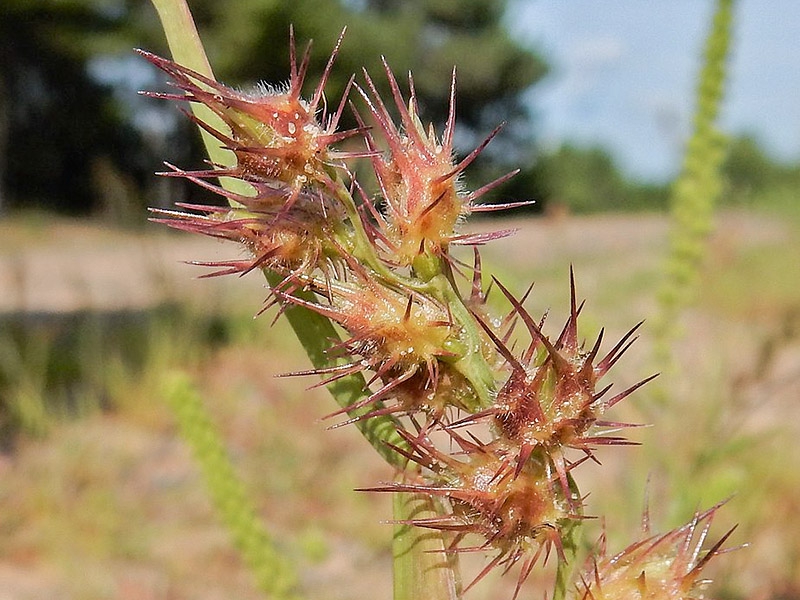
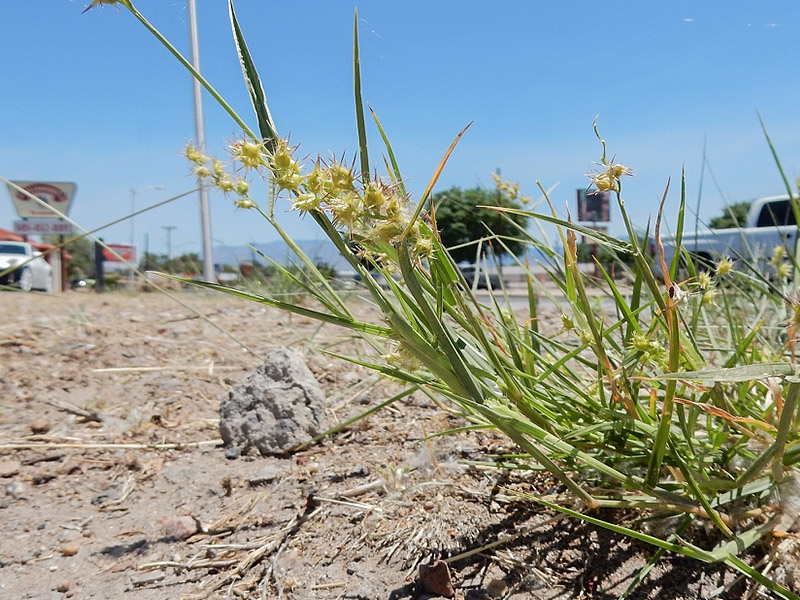
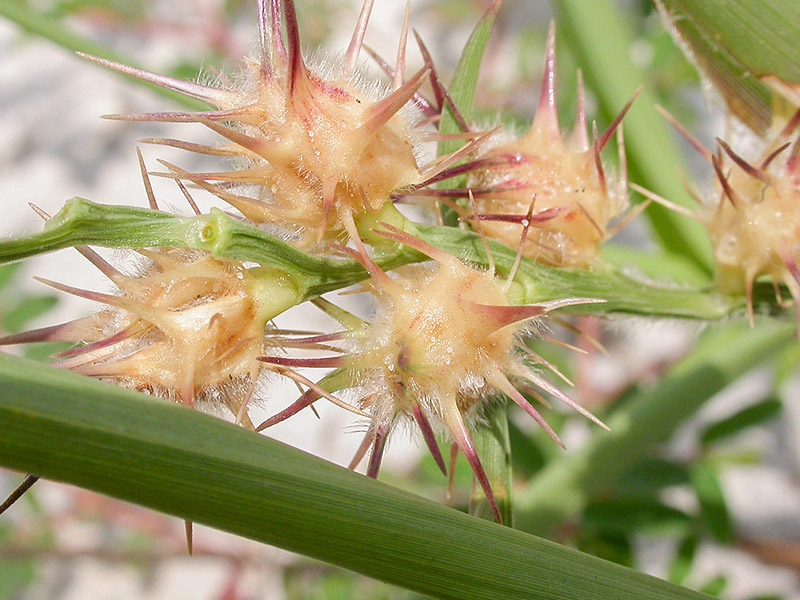
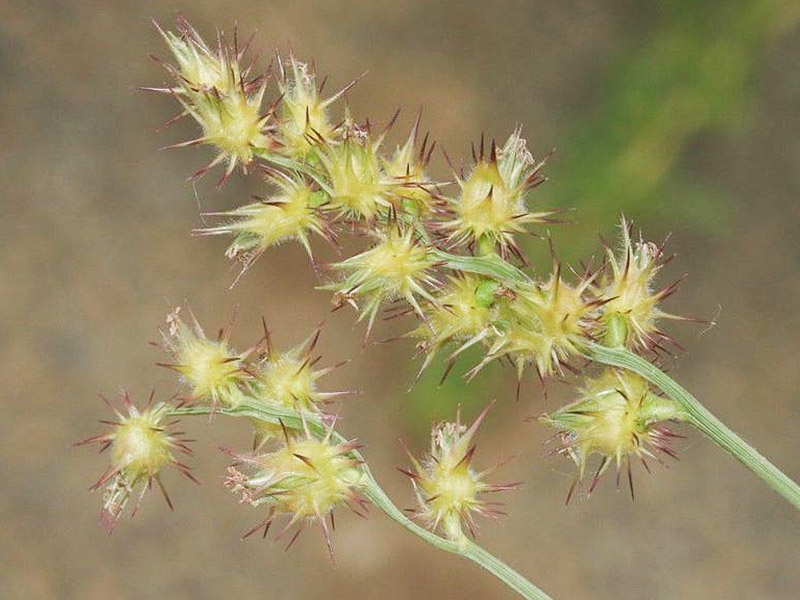
Cenchrus longispinus Growth CharacteristicsCenchrus longispinus is a perennial herbaceous plant that thrives in warm climates. It typically grows to a height of 30 to 60 cm and thrives in sunny locations. Its roots do not extend deeply, and it is relatively tolerant of dry soil. Propagation MethodIt is generally propagated by seeds; after flowering, the seeds easily fall and disperse naturally. In particular, because the seeds are thorn-like, they can spread rapidly through the movement of animals or humans. Cultivation MethodCenchrus longispinus is a relatively easy plant to cultivate and requires no special care. However, due to its strong weed-like tendencies, care must be taken to prevent it from spreading outside gardens or fields. It is best to sow seeds in the spring, and it grows rapidly in well-drained soil with sufficient sunlight. Uses in Gardens This plant can be used for soil cover and is particularly useful for preventing erosion on slopes or inclines in dry regions. However, it is not commonly used for ornamental garden purposes. Important Pests and Control Methods While Longipinus is generally resistant to disease, it can contract fungal diseases if the leaves are excessively wet or ventilation is poor. In such cases, it is important to remove diseased leaves and improve ventilation. To prevent pests, proper watering is essential, and using eco-friendly insecticides is effective when pests occur. Due to its strong weed-like nature, periodic removal is necessary. As such, Longipinus is easy to manage and drought-resistant, making it suitable for various uses; however, due to its strong reproductive capacity, careful management is required.
Plant Family
Poaceae
Height
20~90cm
Colors
yellow, green
Bloom Period
July to September
Water Needs
commonly
Exposure
Sunny
Freezing Resistance
-10°C
Western hackberry
Celtis occidentalis
Senolophium denudatum
Cenolophium denudatum