English
한국어
English
Español
中文
हिंदी
Home
News
Community
Dictionary
English
한국어
English
Español
中文
हिंदी
View list
Senolophium denudatum
Cenolophium denudatum
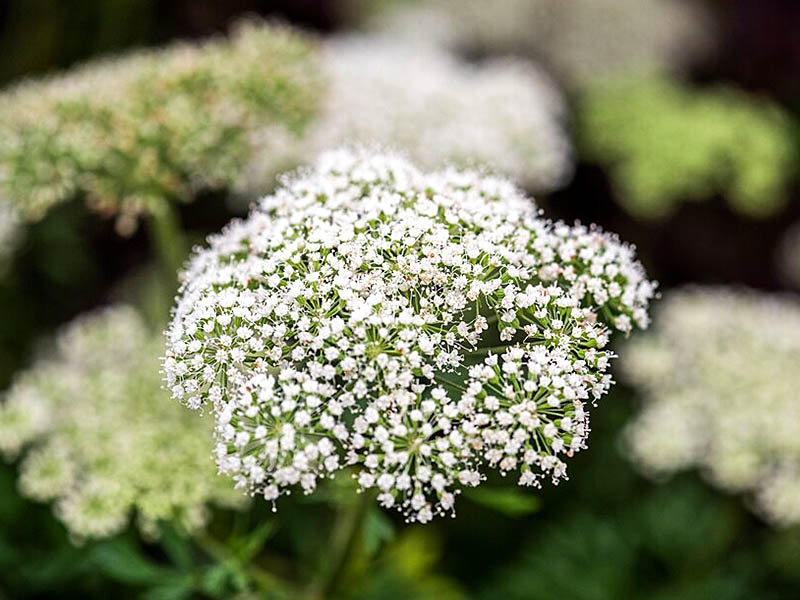
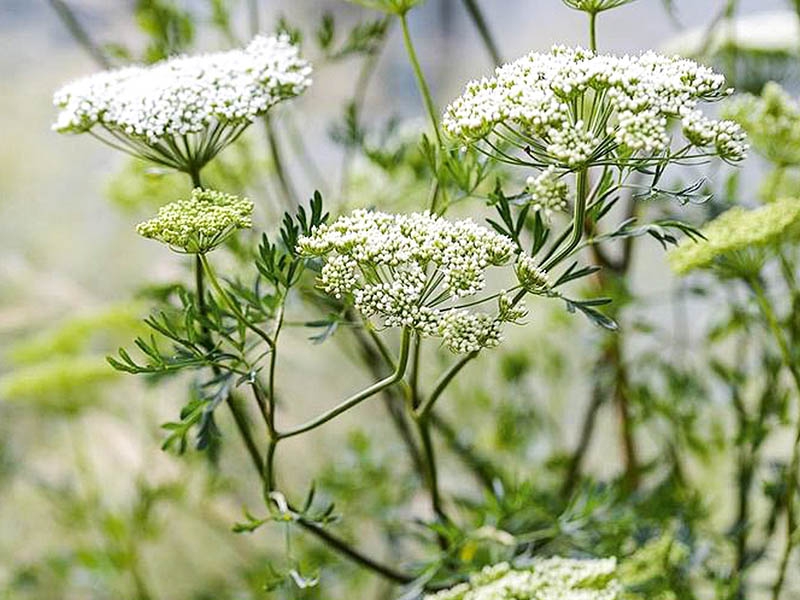
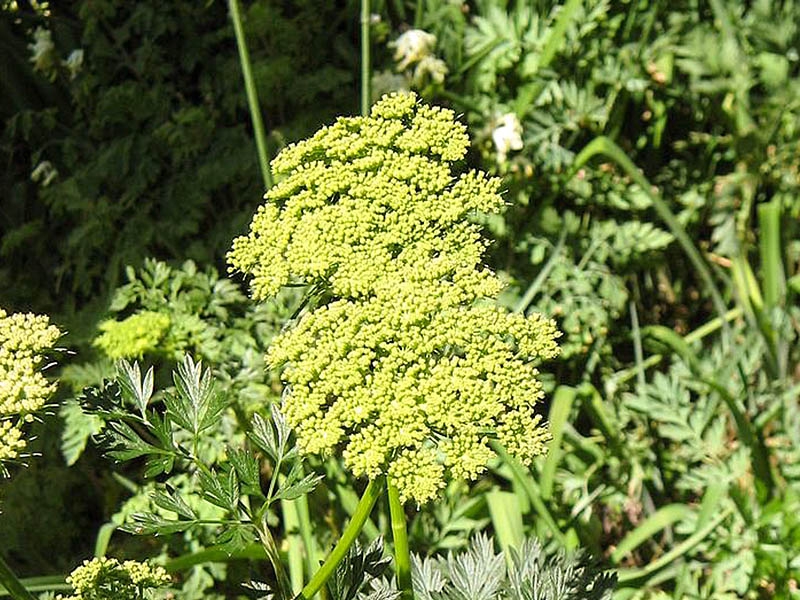
Cenolophium denudatum is a plant not commonly seen in Korea and is primarily cultivated for ornamental purposes. The following describes the plant's main growth characteristics, propagation methods, cultivation methods, garden uses, major pests and diseases, and their control methods. Growth Characteristics: Cenolophium denudatum is a perennial herbaceous plant that typically grows to a height of 60 to 90 cm. Belonging to the Apiaceae family, it is popular as a garden ornament due to its attractive feather-like leaves and small white flowers. It mainly blooms in the summer and thrives in sunny locations, although it can also grow in partial shade. It prefers well-drained soil. Propagation Methods: It is primarily propagated by seeds. Seeds are sown in spring or autumn, and germination may take 2 to 3 weeks. Additionally, it can be propagated by dividing the clumps in the spring if necessary. Cultivation Methods: - Soil Preparation: Plant using well-draining soil. The soil should be rich in organic matter. - Sunlight: Planting in a sunny location is ideal, but it also grows well in partial shade. - Watering: Excessive moisture can cause root rot, so ensure the soil does not dry out but maintain good drainage. - Fertilizer: Provide nutrients using compound fertilizer occasionally during the growing season. Garden Uses: Planting Cenolophium denudatum mixed with other flowers adds a natural look to the garden. Its feathery leaves and umbel flowers make it suitable for natural-style garden designs, and it can also be used as a cut flower. Important Pests and Control Methods: Cenolophium denudatum is relatively resistant to pests and diseases, but it may occasionally be damaged by aphids or snails. - Aphids: Remove them by spraying with soapy water or using commercial insecticides. - Snails: Remove them by hand or manage them using snail repellents. - General Care: It is important to detect and control pests and diseases in their early stages through periodic observation. We hope you take good care of your Senolophium denudatum in your garden to grow it into a lush and healthy plant.
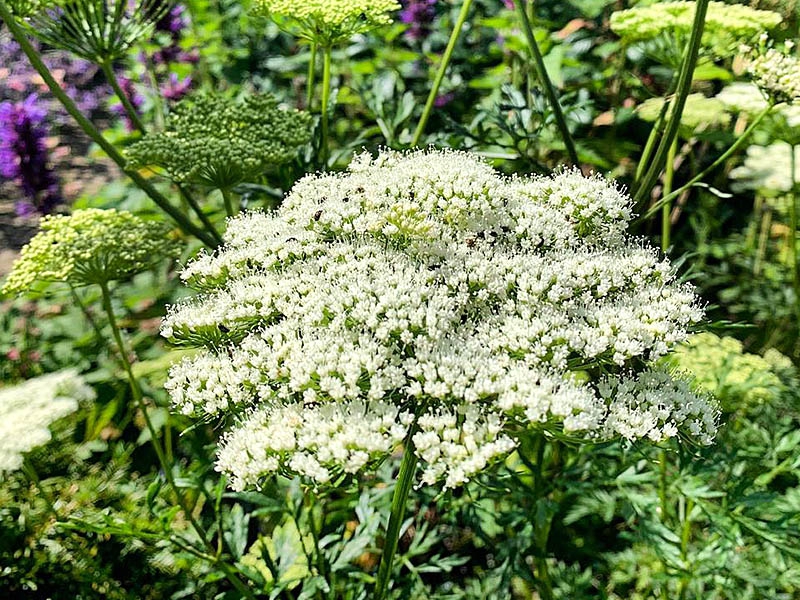
Plant Family
Apiaceae
Height
90~120cm
Spread
30~60cm
Colors
white
Bloom Period
July~August
Water Needs
commonly
Exposure
semi-shaded area
Freezing Resistance
-20°C
Daecheong thorny grass
Cenchrus longispinus
Cornflower
Centaurea cyanus