English
한국어
English
Español
中文
हिंदी
Home
News
Community
Dictionary
English
한국어
English
Español
中文
हिंदी
View list
Cornflower
Centaurea cyanus
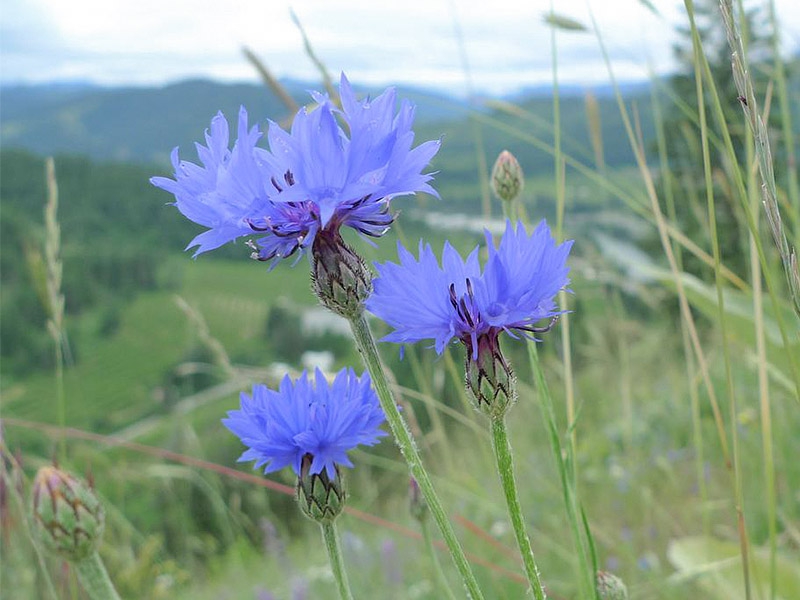
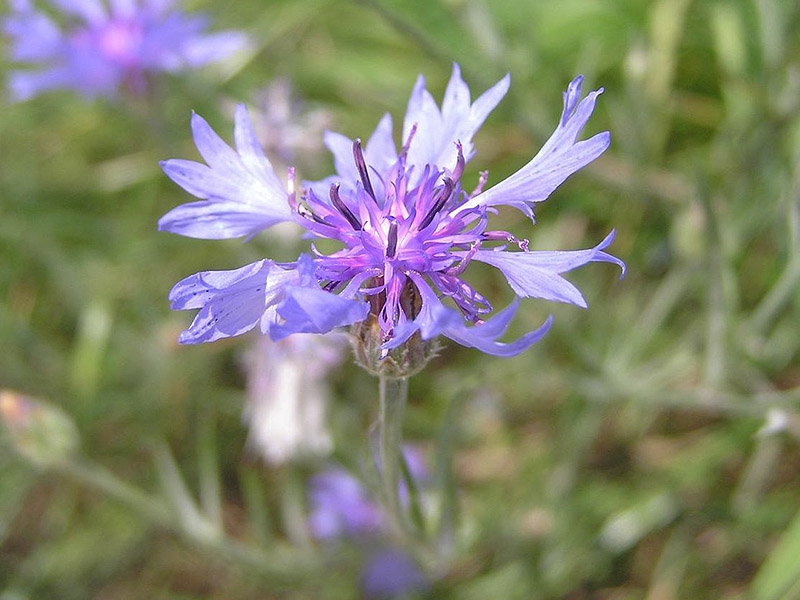
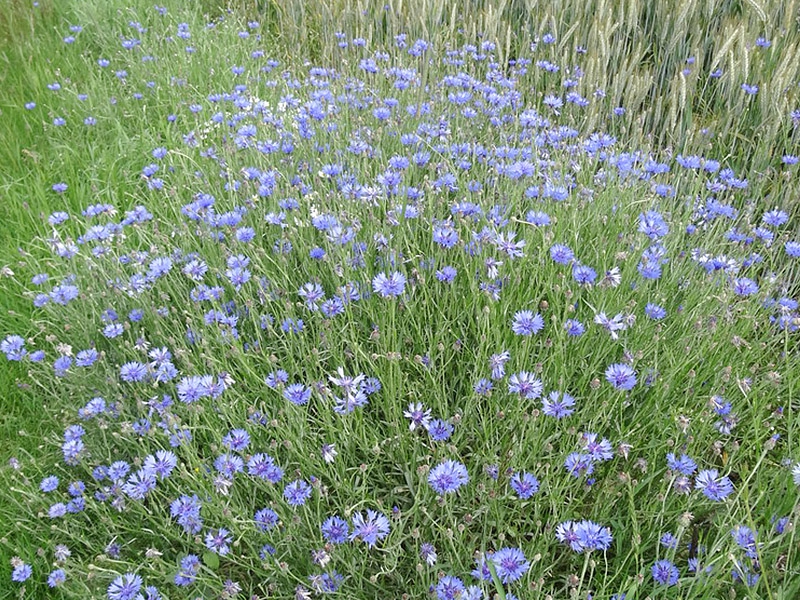
The Cornflower (Centaurea cyanus) possesses the following characteristics regarding growth, propagation, cultivation, garden use, major pests and diseases, and control methods. Growth Characteristics - Morphology: It is an annual herbaceous plant that typically grows to a height of 30–90 cm. The stems are upright and branched, and the leaves are long, thin, and feather-shaped. - Flowers: It usually blooms between May and June, appearing in various colors such as blue, pink, and white. The flowers consist of tubular florets in the center and ray florets on the margins. - Growing Environment: It prefers sunlight and thrives in well-drained soil. It prefers slightly alkaline soil. Propagation Methods - Seed Propagation: It is primarily propagated by seeds; seeds are sown directly in the open ground in spring or autumn, or seedlings are grown indoors and then transplanted. - Natural Propagation: In natural conditions, it propagates through seeds formed after the flowers wither. Cultivation Methods - Soil Preparation: Prepare well-draining soil, and if necessary, mix in coarse sand or perlite to improve drainage. - Sowing and Transplanting: Sow seeds or transplant seedlings in spring or autumn, maintaining a spacing of approximately 20–30 cm. - Watering: Cornflowers are relatively drought-tolerant, but adequate moisture is required during the flowering period. Overwatering should be avoided. - Fertilizer: Since general nutrient requirements are low, it is recommended to use a small amount of slow-release fertilizer during the early growth stage. Uses in the Garden - Ornamental: Due to their vibrant flower colors, they are widely used as materials for gardens, flower beds, and bouquets. - Ecological Value: They attract insects such as bees and butterflies, contributing to increased ecological diversity. Important Pests and Diseases and Control Methods - Diseases: Powdery mildew or root rot may occur. Maintain proper ventilation and drainage for prevention. - Pests: Aphids, scale insects, and other pests may occur; control them using natural insecticides or eco-friendly methods. - Control Methods: When pests or diseases occur, control them using appropriate pesticides or biological methods. Periodic condition checks are necessary for prevention. With effective management and the creation of a suitable environment, cornflowers flourish beautifully in the garden, adding to the beauty of nature.
Plant Family
Asteraceae
Height
30~90cm
Spread
15-30cm
Colors
Blue, purple, white, red, pink
Bloom Period
June to September
Water Needs
commonly
Exposure
Sunny
Freezing Resistance
-10°C
Senolophium denudatum
Cenolophium denudatum
Centorea 'Yellow Sultan'
Centaurea moschata
'Yellow Sultan'