English
한국어
English
Español
中文
हिंदी
Home
News
Community
Dictionary
English
한국어
English
Español
中文
हिंदी
View list
Centella asiatica
Centella asiatica
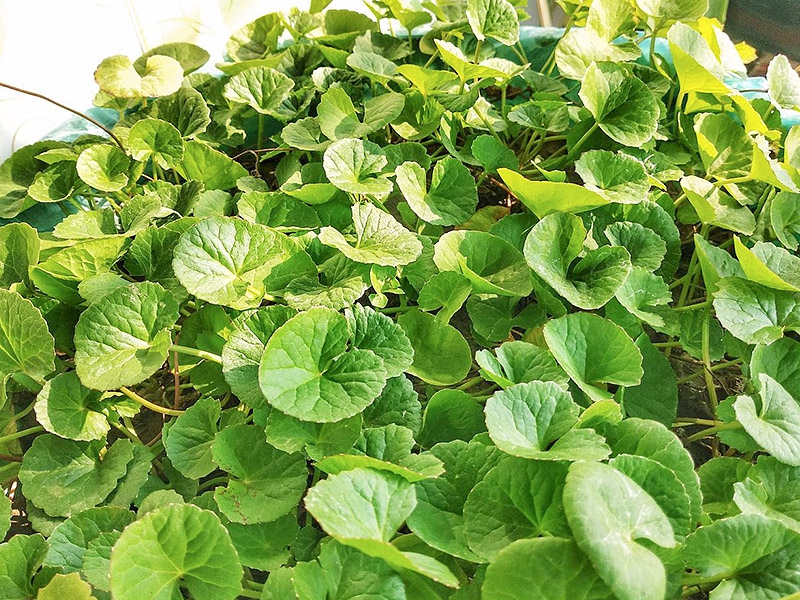
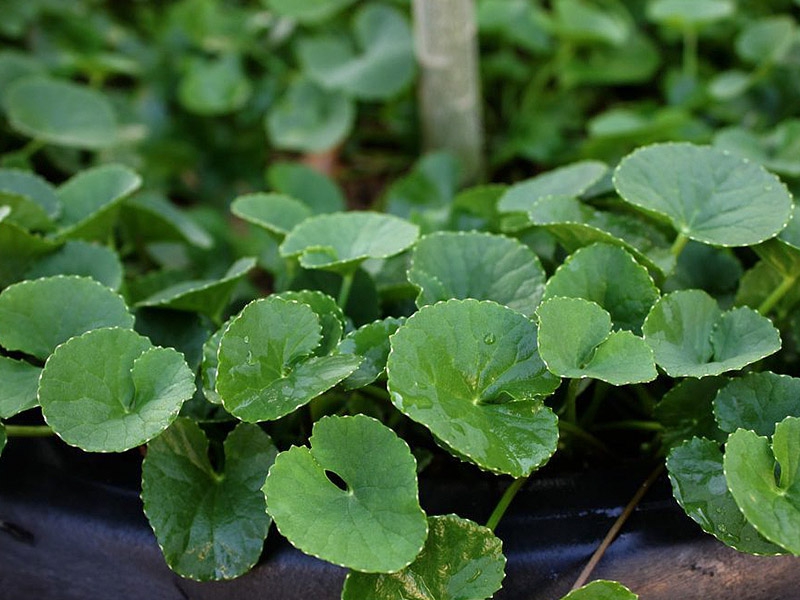
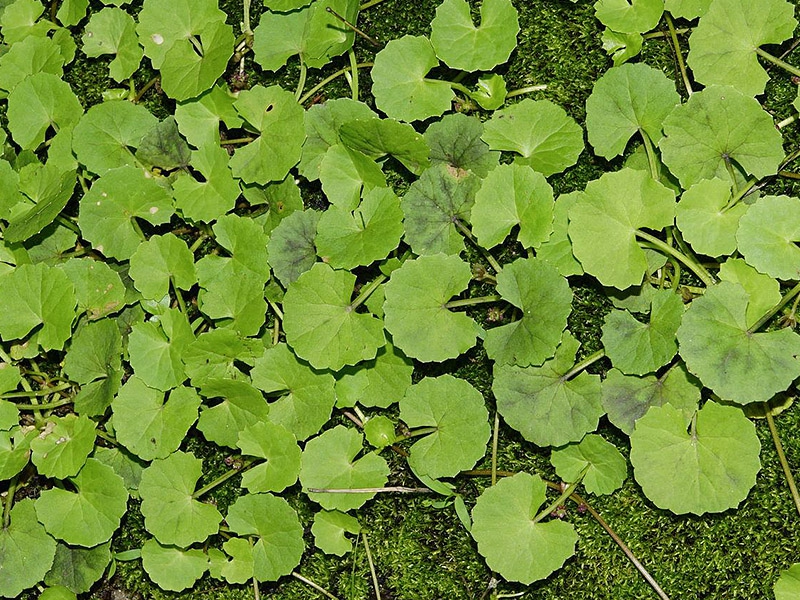
Centella asiatica has the following characteristics regarding growth, propagation, cultivation, garden use, major pests and diseases, and control methods. Growth CharacteristicsCentella asiatica primarily grows in tropical and subtropical regions of Asia and thrives in moist soil. It can grow in partially shaded areas and reaches a height of approximately 10 to 30 cm. The leaves are small, round, and slightly concave. Propagation MethodsCentella asiatica can be propagated by seeds, root division, and stem cuttings. When propagating by seeds, well-dried seeds must be sown in the spring, requiring appropriate temperature and humidity. Stem cutting propagation involves cutting a healthy stem from the parent plant and planting it in water or soil to encourage rooting. Cultivation MethodsFor cultivation, well-drained soil rich in organic matter is ideal. It should be watered frequently to prevent the soil from drying out. Providing partial shade can promote healthier growth. It is important to avoid strong sunlight and prevent excessive drying. Uses in GardensCentella asiatica is widely used as a ground cover plant. Due to its rapid spreading nature, it can quickly cover meadows in gardens and landscaping, and it is well-suited for wetland gardens. The green leaves of Centella asiatica provide a natural feel and add ecological beauty. Important Pests and Control MethodsPests include aphids and scale insects, which can hinder plant growth. To control them, appropriate pesticides and the use of natural predators are necessary. Fungal diseases can also be a problem, so it is important to avoid excessive moisture and ensure good ventilation. With proper care and control, Centella asiatica can grow beautifully and healthily in gardens and various landscaping environments.
Plant Family
Apiaceae
Height
25~50cm
Colors
amethyst
Bloom Period
July~August
Water Needs
commonly
Exposure
semi-shaded area
Freezing Resistance
-5°C
Seltorea de Albata
Centaurea dealbata
Middle-head grass
Centipeda minima