English
한국어
English
Español
中文
हिंदी
Home
News
Community
Dictionary
English
한국어
English
Español
中文
हिंदी
View list
Spinigera moss
Cephalozia spinigera
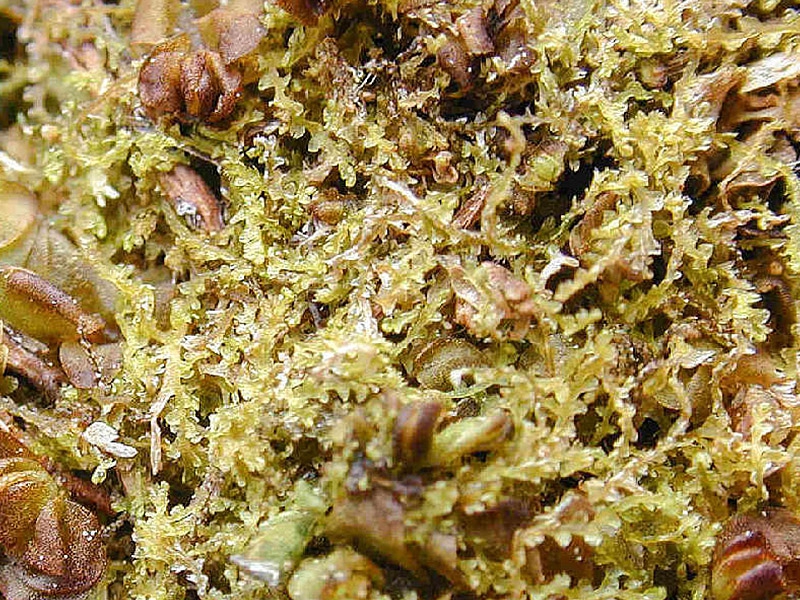
Cephalosia spinigera is a small moss that thrives primarily in moist environments. The following information covers the growth characteristics, propagation methods, cultivation methods, garden uses, and major pests and control methods of Cephalosia spinigera. - Growth Characteristics: - It prefers moisture and shade and is mainly found on moist soil surfaces in deciduous or coniferous forests. - It is sensitive to salinity and grows better in inland forests than in coastal areas. - Propagation Methods: - It primarily reproduces by spores. Spores disperse into the air and germinate in suitable conditions. - The moss can also reproduce asexually by shedding parts of its body. - Cultivation Methods: - When cultivating in a garden, it is important to plant it in a location where sufficient moisture is maintained. - The soil should have a high organic matter content and good drainage. - Moisture must be maintained by watering regularly with a spray bottle. - Use in the Garden: - Mosse Spinigera is suitable for rock gardens or areas requiring moisture. - It is useful for creating a natural environment and blends well with other herbaceous plants. - Important Pests and Control Methods: - It is generally not resistant to pests, but excessive dryness should be avoided. - If mold occurs, humidity control is necessary, and fungicides can be used if needed. - It can be kept healthy through regular watering and proper ventilation. Mosse Spinigera is a plant that can naturally enhance the aesthetic appeal of a garden without requiring special care.
Plant Family
moss family
Height
2~8mm
Colors
sporophyte
Bloom Period
March to June
Water Needs
commonly
Exposure
semi-shaded area
Freezing Resistance
-10°C
Japanese yew
Cephalotaxus harringtonia
moss recurvifolia
Cephalozia recurvifolia