English
한국어
English
Español
中文
हिंदी
Home
News
Community
Dictionary
English
한국어
English
Español
中文
हिंदी
View list
Keraria pygmaea
Ceraria pygmaea
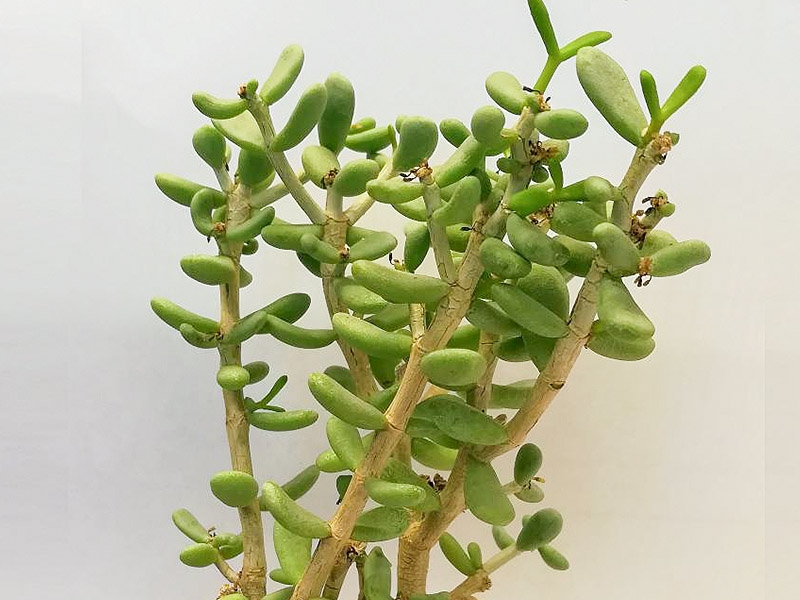
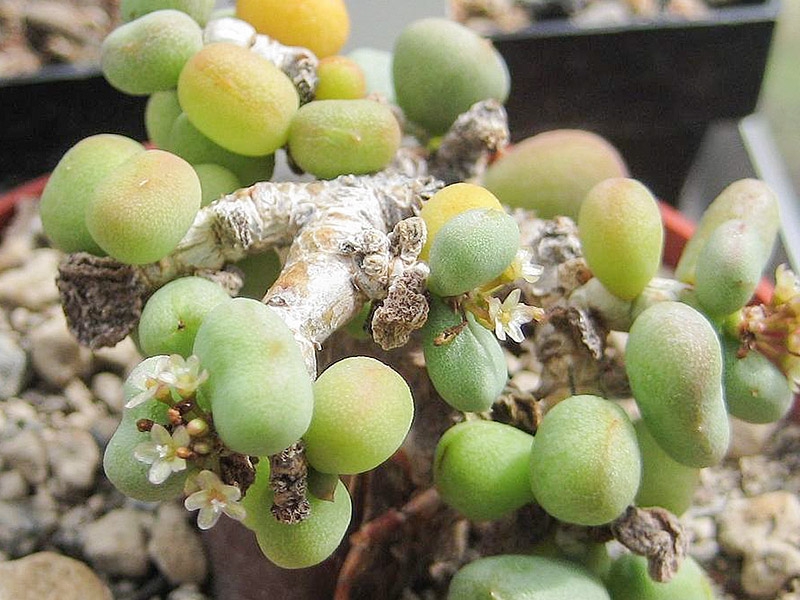
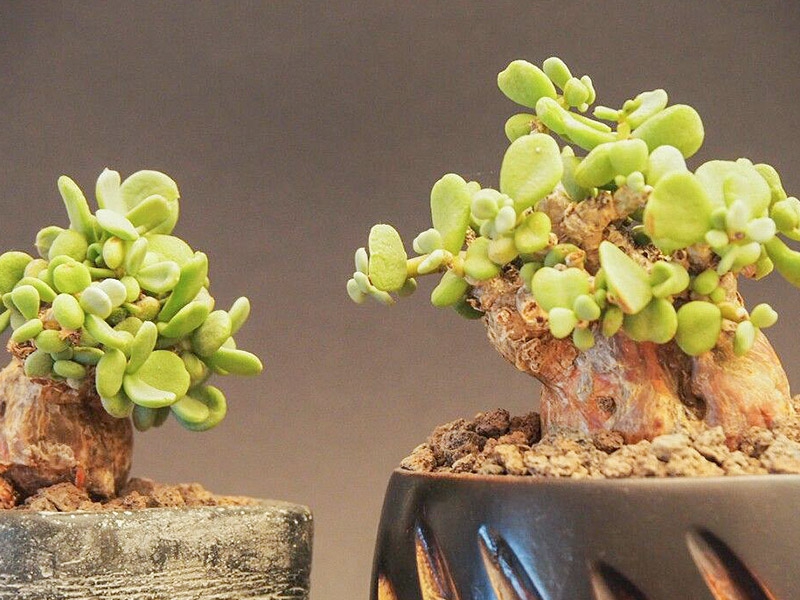
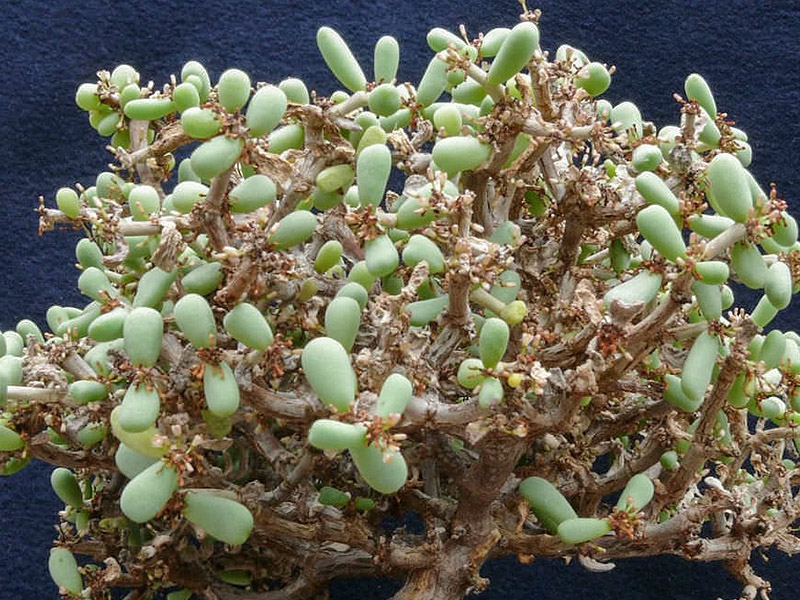
Ceraria pygmaea is a small succulent shrub native to South Africa. The following describes the plant's growth characteristics, propagation methods, cultivation techniques, garden uses, major pests and diseases, and control methods. Growth Characteristics - Environment: It requires sunlight but can grow in somewhat shaded environments. - Soil: Typical well-draining soil suitable for succulents is appropriate. Mixing in sand and gravel is beneficial. - Watering: It is drought-tolerant, but water regularly during the growing season. It is important to avoid excessive moisture. - Temperature: It thrives better in warm climates than in cool ones. Protect it from frost during the winter. Propagation Methods - Cuttings: Cuttings are the most common method. Let the cut end dry for about 1 to 2 days before planting it in well-draining soil. - Seeds: Propagation by seeds is possible, but it is relatively difficult and therefore not commonly used. Cultivation Methods - Pot Cultivation: Use a well-draining pot, maintain an appropriate size, and fertilize in the spring and autumn. - Garden Cultivation: Select a location with adequate drainage and sunlight. It can be arranged harmoniously with other succulents for decoration. Uses in the Garden - Border Plant: Due to its small, trailing form, planting it along garden borders creates a soft boundary. - Decorative Element: In modern garden designs, it blends well with other plants, providing an aesthetic effect. Important Pests and Control Methods - Diseases: Root rot caused primarily by overwatering may occur. To prevent this, pay attention to drainage and avoid excessive watering. - Pests: While generally resistant to pests, spider mites or scale insects may appear. If detected, control them immediately using an insecticide. Considering these characteristics and managing the plant in the right environment, Keraria pygmaia can grow healthily and become a beautiful decorative element.
Plant Family
Purslane family
Height
20cm
Colors
yellow, green
Bloom Period
March to May
Water Needs
Bad
Exposure
Sunny
Freezing Resistance
-10°C
moss microphila
Cephalozia microphylla
Bukseonjeomnadonamul
Cerastium rubescens
var.
koreanum