English
한국어
English
Español
中文
हिंदी
Home
News
Community
Dictionary
English
한국어
English
Español
中文
हिंदी
View list
hairy-spotted edible greens
Cerastium pauciflorum
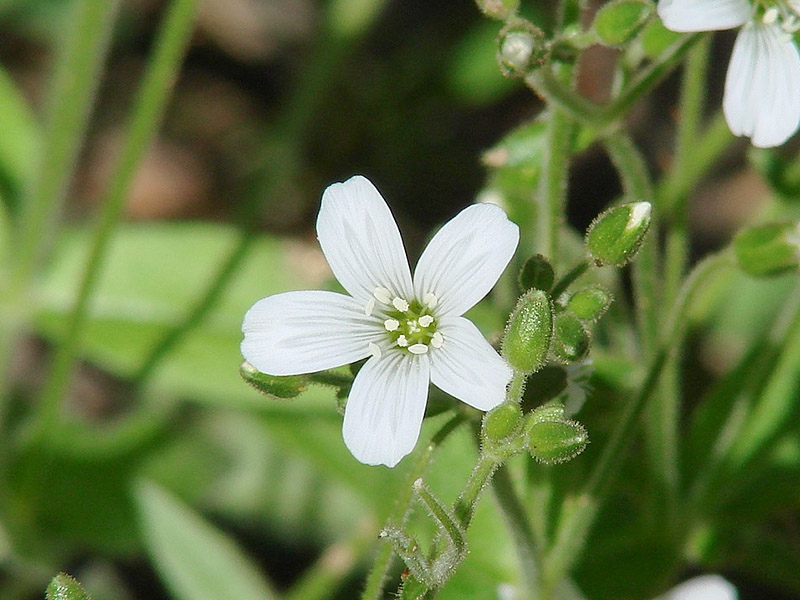
Cerastium pauciflorum is a plant native to East Asia, including Korea, and grows primarily in mountainous areas. Growth Characteristics: Cerastium pauciflorum is a perennial herbaceous plant whose stems and leaves are covered in white hairs. It typically grows to a height of 10 to 30 cm and blooms with white flowers between May and July. While this plant tolerates dry environments well, it thrives better in soil with moderate moisture. Propagation Methods: It primarily reproduces by seeds, which are dispersed by wind in the wild. In its natural habitat, it also spreads through rhizomes. Cultivation Methods: Cerastium pauciflorum is a relatively easy plant to care for and prefers well-drained soil. It grows best in sunny locations but can also thrive in partial shade. When planting by seed, it is best to sow in early spring or autumn. Garden Use: Syringa vulgaris is excellent for planting in Alpine gardens or rock gardens. It is particularly attractive for landscapes as its small white flowers bloom in clusters. Important Pests and Control Methods: Syringa vulgaris is relatively resistant to pests and diseases. However, care is required as mold may develop if the leaves are excessively wet. If disease occurs, it is best to ensure good ventilation or cut off the affected area. Although specific pest damage is rare, be wary of common garden pests such as aphids and leaf beetles. Organic insecticides can be used if necessary. With this care, you can enjoy healthy, thriving Syringa vulgaris in your garden.
Plant Family
Caryophyllaceae
Height
30~50cm
Colors
white
Bloom Period
May~June
Water Needs
commonly
Exposure
Sunny
Freezing Resistance
-30°C
Bukseonjeomnadonamul
Cerastium rubescens
var.
koreanum
Seonjeomnadonamul
Cerastium holosteoides
var.
hallaisanense