English
한국어
English
Español
中文
हिंदी
Home
News
Community
Dictionary
English
한국어
English
Español
中文
हिंदी
View list
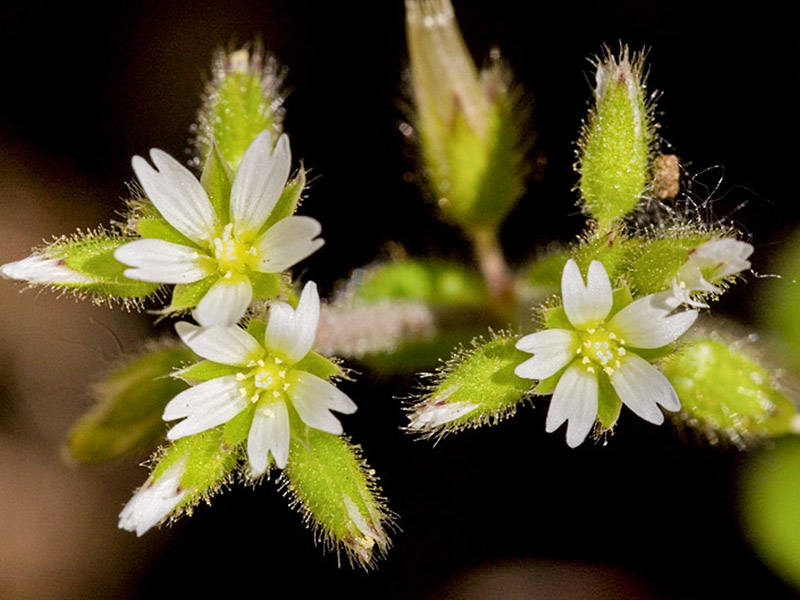
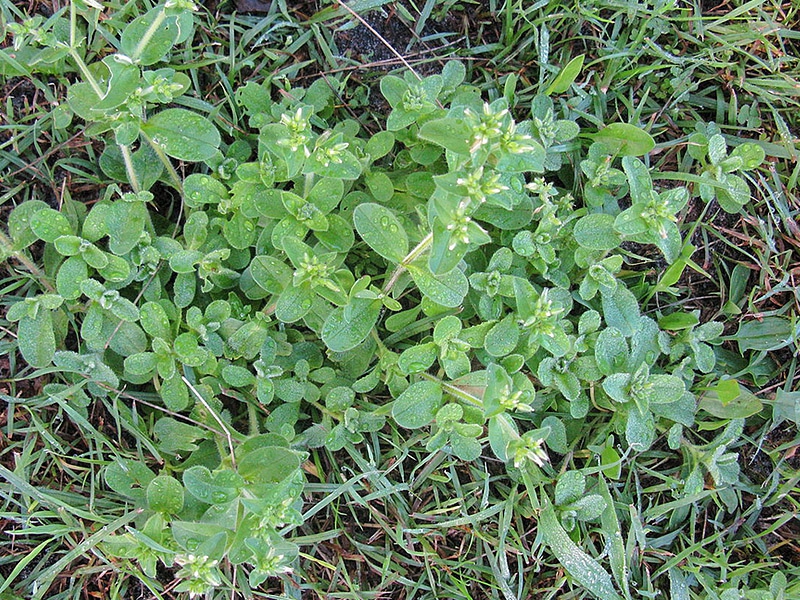
European spotted chrysanthemum
Cerastium glomeratum
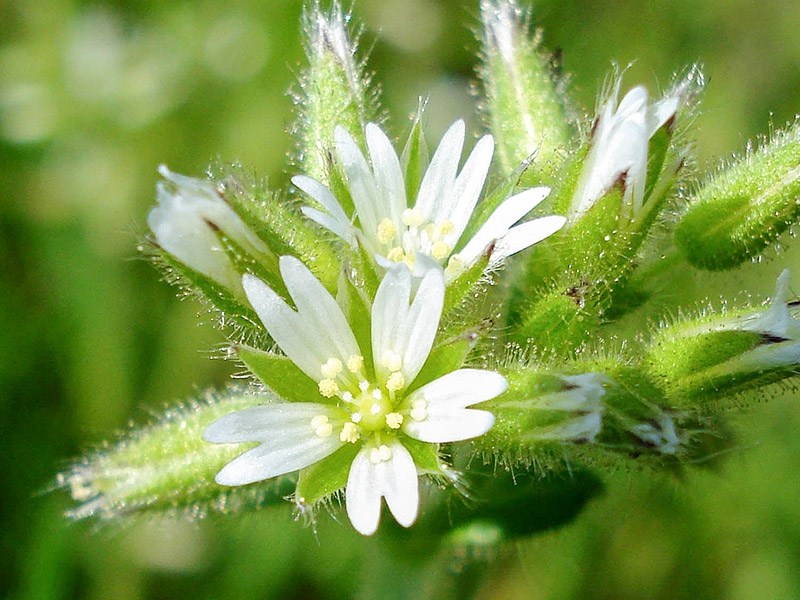
Cerastium glomeratum is an annual plant native primarily to Europe that thrives in a variety of environments. It grows particularly well in well-drained soil. Growth Characteristics: Cerastium glomeratum grows best in sunny locations but can tolerate partial shade. It exhibits good growth in acidic to neutral soil conditions. Propagation Methods: It is primarily propagated by seeds; seeds can be sown directly in the spring or seedlings can be grown and transplanted. The seeds germinate relatively quickly, and propagation is possible through self-pollination. Cultivation Methods: - Soil Preparation: Select well-drained soil and mix in organic matter if necessary. - Sowing: Sow seeds directly in the spring, or if growing seedlings, transplant them at appropriate intervals after germination. - Watering: Water thoroughly during the initial period after planting, but subsequent watering may rely on natural rainfall. 4. Weed Management: Prevent weed competition through regular weeding. Garden Uses: European snailweed is suitable for use as ground cover and can be utilized along flowerbed edges or in rock gardens. It is also useful for creating a slightly wild aesthetic. Important Pests and Control Methods: While it is generally resistant to pests and diseases, fungal issues may arise under overly wet conditions. To prevent this, plant it in a well-ventilated area and avoid overwatering. If disease occurs, using fungicides can be helpful. European snailweed is a relatively easy plant to care for, but it can grow even healthier if provided with appropriate environmental conditions.
Plant Family
Caryophyllaceae
Height
10~30cm
Colors
white
Bloom Period
April to June
Water Needs
commonly
Exposure
semi-shaded area
Freezing Resistance
-30°C
North Jeom Nado Namul
Cerastium holosteoides
velvet vine
Cerastium tomentosum