English
한국어
English
Español
中文
हिंदी
Home
News
Community
Dictionary
English
한국어
English
Español
中文
हिंदी
View list
velvet vine
Cerastium tomentosum
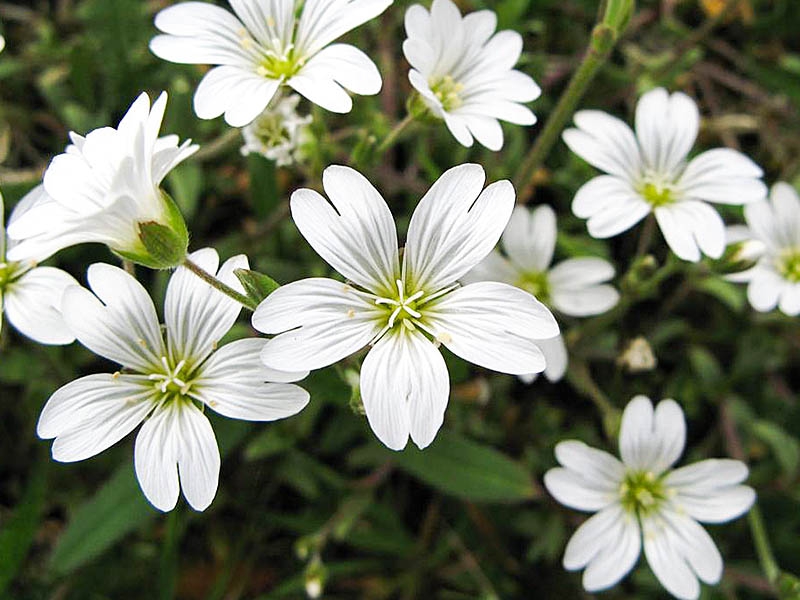
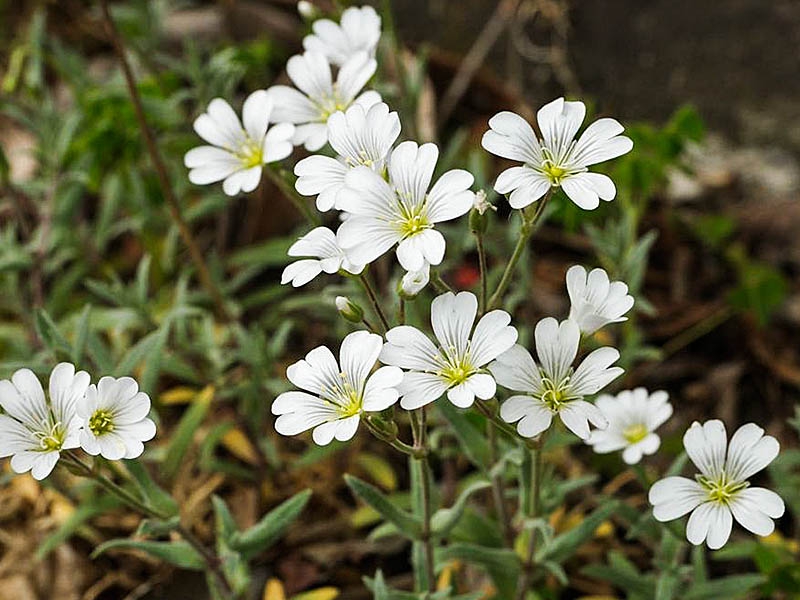
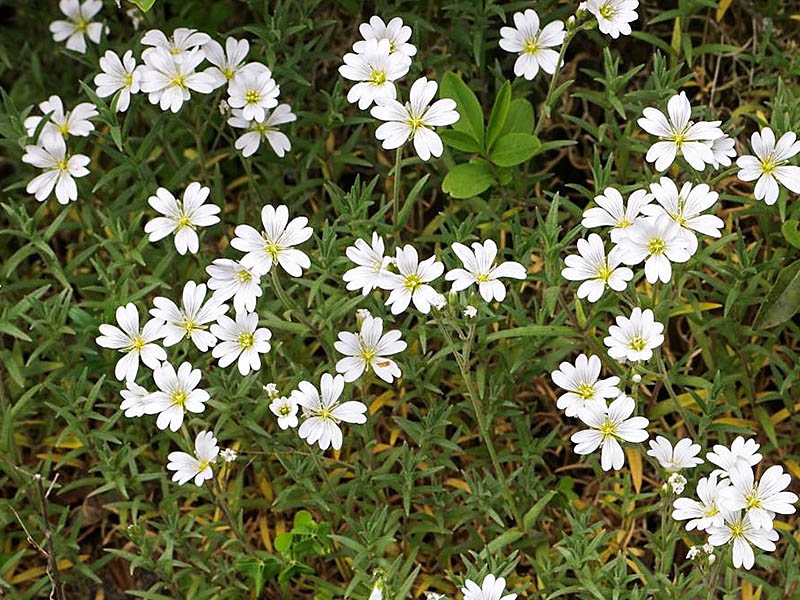
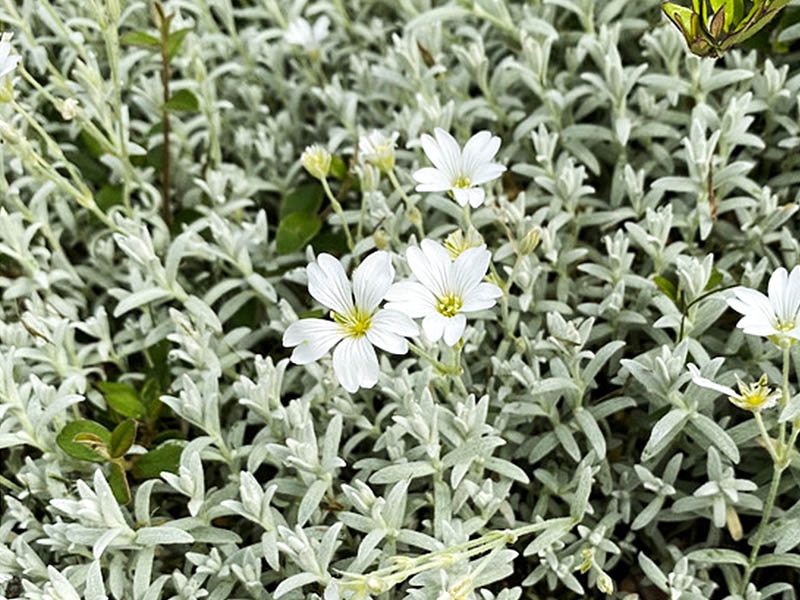
Cerastium tomentosum has the following growth characteristics, propagation methods, cultivation methods, garden uses, and information on important pests and diseases and control methods. Growth CharacteristicsCerastium tomentosum is a perennial herbaceous plant native primarily to Europe, featuring beautiful white flowers and leaves covered in silver hairs. It grows to a height of approximately 15–30 cm and thrives in sunny locations. It prefers well-drained soil and tolerates dry environments relatively well. Propagation MethodsPropagation is primarily possible via seeds and division. Seeds are sown in spring or autumn, mixed with wet sand, and germinated at a suitable temperature. Division is performed in spring when new shoots emerge; the roots are separated and planted. Cultivation MethodsCerastium tomentosum grows best in locations with sufficient sunlight and requires well-draining soil. During the summer, water frequently to prevent the soil from drying out. Fertilizer is not frequently required; apply organic fertilizer about once in the spring. Uses in the GardenDue to the decorative effect of its silvery leaves, Tomentosum is widely used in rock gardens, as a border plant, or as a ground cover. It also harmonizes well with other colorful flowers. Important Pests and Control Methods Although Tomentosum is a relatively pest-resistant plant, root rot can occasionally occur due to overwatering. To prevent this, plant in well-draining soil and regulate watering. If pests occur, the most effective methods are to apply appropriate chemical control or remove the affected parts. Based on the information above, you will be able to successfully cultivate and manage Tomentosum.
Plant Family
Caryophyllaceae
Height
15~30cm
Spread
15~60cm
Colors
white
Bloom Period
May~June
Water Needs
commonly
Exposure
Sunny
Freezing Resistance
-30°C
European spotted chrysanthemum
Cerastium glomeratum
Seratolla erikoides
Ceratiola ericoides