English
한국어
English
Español
中文
हिंदी
Home
News
Community
Dictionary
English
한국어
English
Español
中文
हिंदी
View list
Kerub Silikwa
Ceratonia siliqua
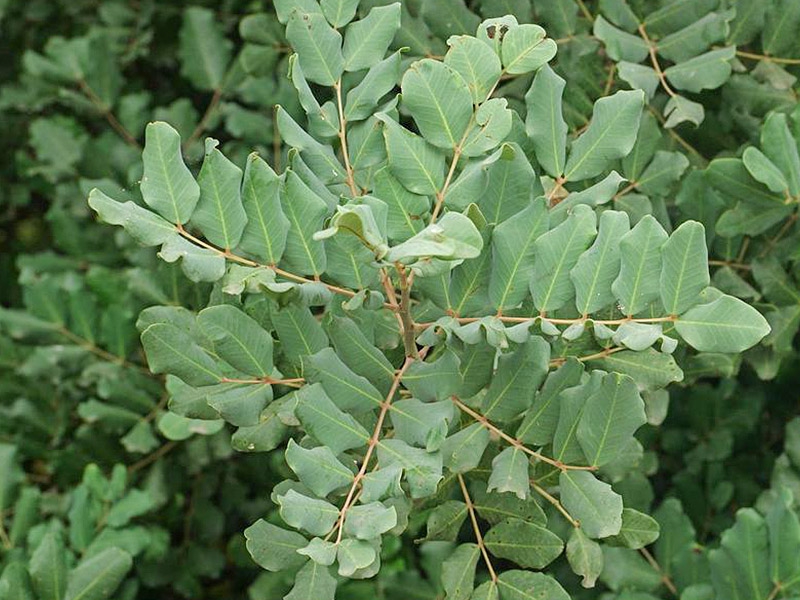
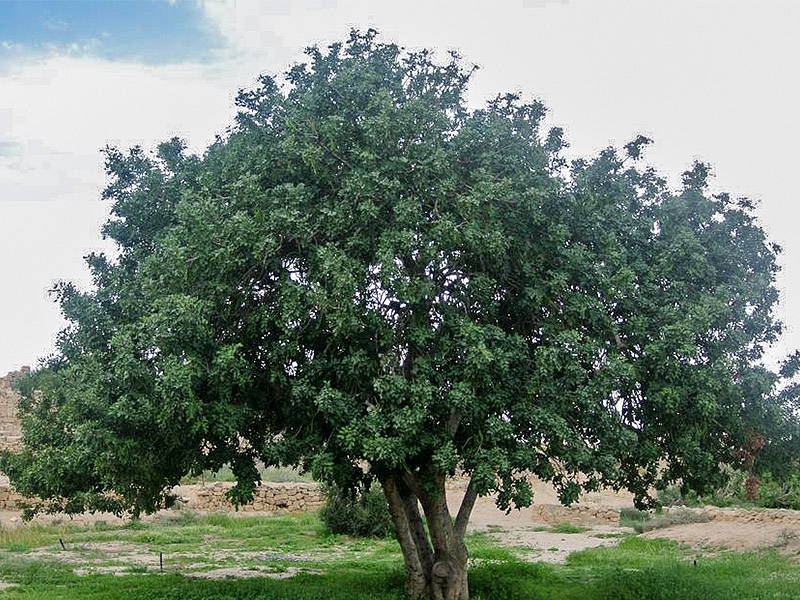
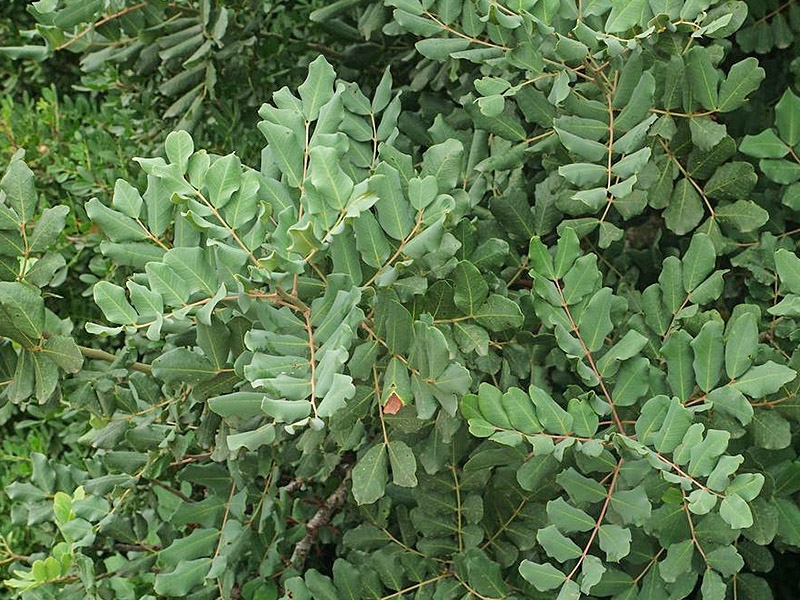
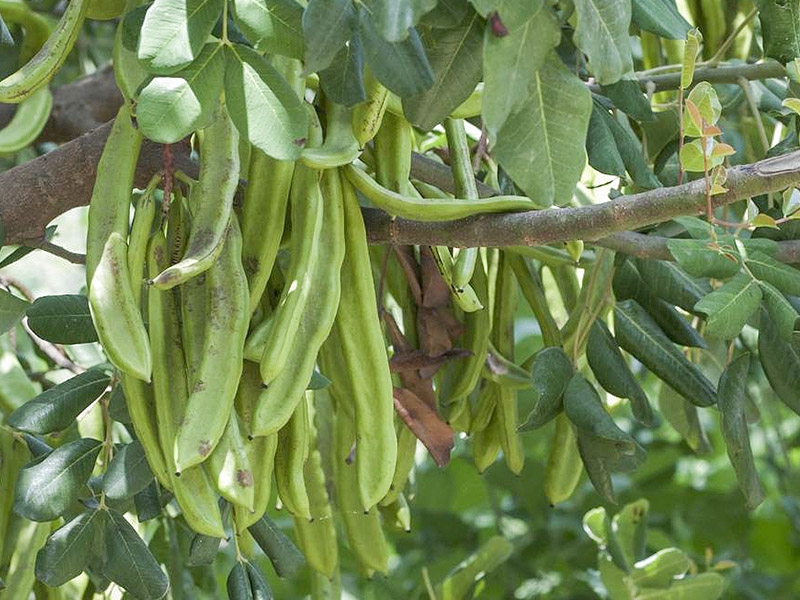
Ceratonia siliqua is an evergreen shrub or tree native to the Mediterranean region, used for its fruit and firewood. The following describes the growth characteristics, propagation and cultivation methods, garden uses, and major pests and their control methods. Growth Characteristics - Environmental Conditions: Carob thrives in dry, warm climates and prefers well-drained soil. It is somewhat tolerant of salinity and resistant to drought. - Growth Rate: It is relatively slow and usually takes several years to reach maturity. - Size: Mature trees can grow up to 10 to 15 meters in height. Propagation Methods - Seed Propagation: Since seeds are hard and can be difficult to germinate, they are soaked in water or lightly sanded to improve germination rates. - Grafting: It can also be propagated through grafting, which allows for the harvesting of higher quality fruit. Cultivation Methods - Planting: Planting in spring or early summer is recommended. Ensure sufficient space for planting and use well-draining soil. - Watering: Regular watering is necessary in the early stages, but as the plant grows, it becomes drought-tolerant, so watering frequency can be reduced. - Fertilizer: Fertilizer can aid in early growth, but it is rarely needed once the tree reaches maturity. Uses in the Garden - Providing Shade: Its large, dense foliage provides shade in the garden. - Ornamental: It is also highly regarded as an ornamental tree due to its unique shape and fruit. - Natural Ecosystem: It contributes to maintaining the balance of the ecosystem by providing food for insects such as bees. Important Pests and Control Methods - Pests and Diseases: Carob is relatively resistant to pests and diseases, but it can occasionally be susceptible to aphids, scale insects, and powdery mildew. - Control Methods: - Aphids and Scale Insects: Prevent by regularly spraying with soapy water; in severe cases, use natural predators or appropriate insecticides. - Powdery mildew: Ensure good ventilation to prevent fungal growth, and use a suitable fungicide if necessary. By doing this, you can effectively care for Kerob Silicia and utilize it in various ways in your garden.
Plant Family
legumes
Height
10m
Colors
yellow, green
Bloom Period
August to October
Water Needs
commonly
Exposure
semi-shaded area
Freezing Resistance
-5°C
Seratolla erikoides
Ceratiola ericoides
Pondworm
Ceratophyllum demersum