English
한국어
English
Español
中文
हिंदी
Home
News
Community
Dictionary
English
한국어
English
Español
中文
हिंदी
View list
Katsura tree
Cercidiphyllum japonicum
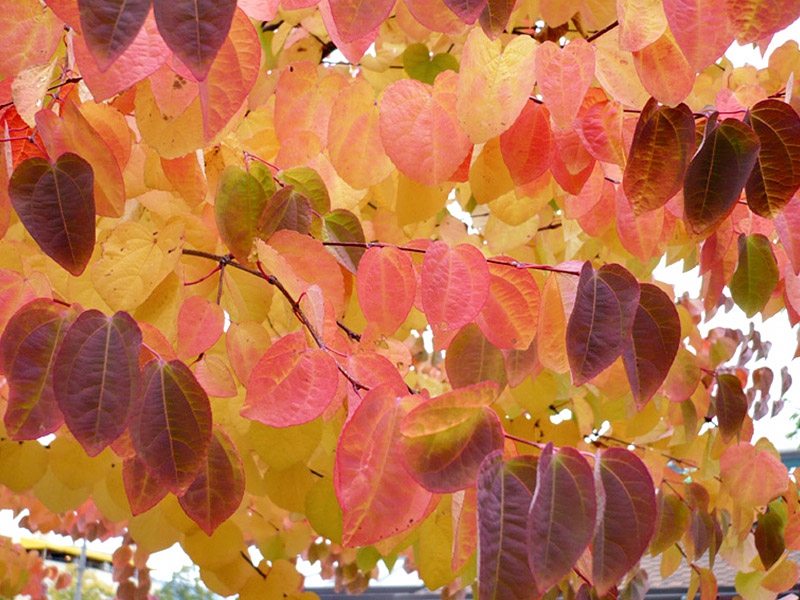
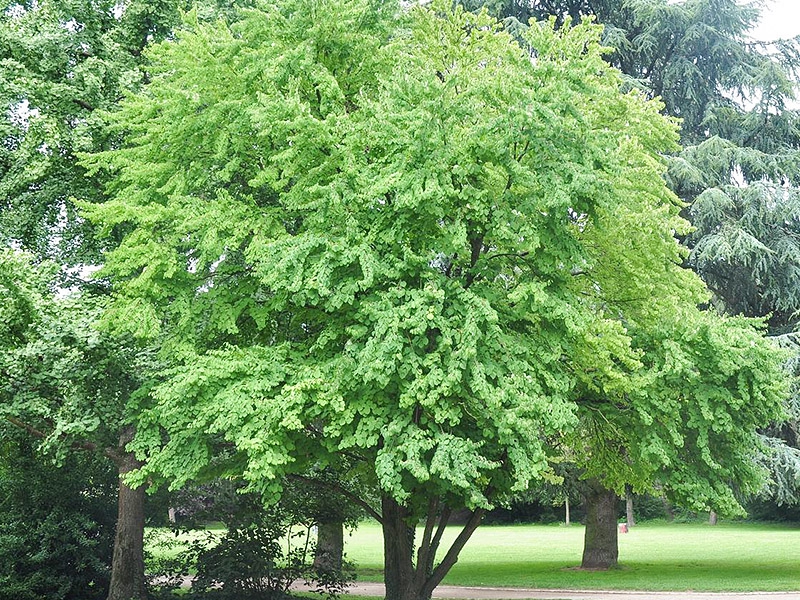
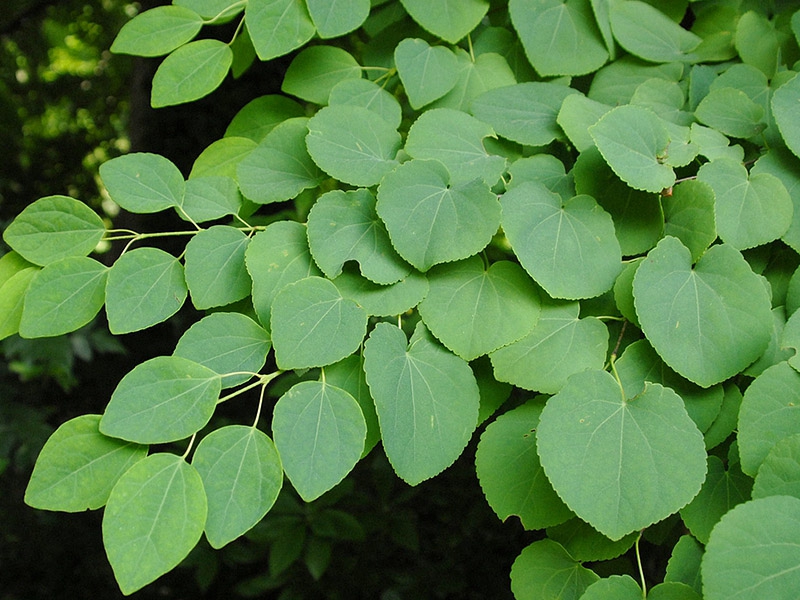
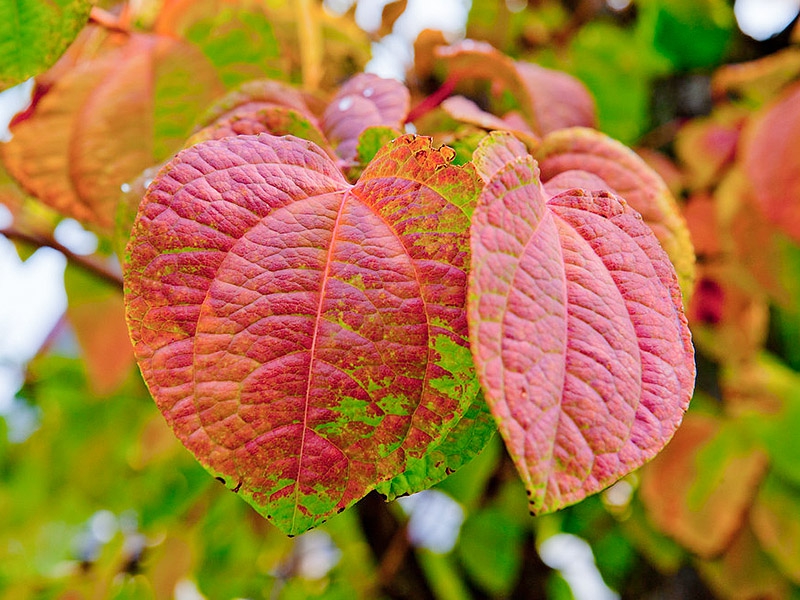
Cercidiphyllum japonicum is a deciduous tree native to Northeast Asia, particularly Japan and China. The following describes the tree's growth characteristics, propagation methods, cultivation practices, garden uses, and major pests and diseases, as well as control methods. Growth Characteristics - Shape: The katsura tree is broad and round, typically growing up to 10 to 20 meters tall. Its leaves are heart-shaped and turn beautiful yellow, orange, or pink in the autumn. - Environment: It prefers sunny locations but also thrives in partial shade. Well-drained soil that retains moisture is suitable. It prefers neutral to slightly acidic soil pH. Propagation Methods - Seed Propagation: Seeds can be collected in the autumn and sown immediately, or stored in the refrigerator and sown in the spring. - Cuttings: Propagation is also possible by taking semi-hardened cuttings during the summer. It is important to maintain high humidity at a temperature of 20 to 25 degrees Celsius. Cultivation Methods - Planting: It is best to plant in the spring or autumn. When planting, be careful to keep the root ball from drying out, and water thoroughly after planting. - Watering: Consistent watering is necessary during the growing season, but avoid allowing water to pool. - Fertilization: Generally, large amounts of fertilizer are not required, but it is recommended to apply small amounts of organic fertilizer according to the growing season. Uses in the Garden - Katsura trees are particularly good as shade trees or boundary trees. They are popular as garden trees due to their beautiful autumn foliage, and they look good when planted alongside cherry blossoms. Important Pests and Diseases & Control Methods - Diseases: Fungal diseases, which cause brown spots on the leaves, can occur mainly in the spring. This can be prevented through proper pruning and ventilation. - Pests: Aphids and scale insects can be a problem. To control them, manage the tree regularly using soap-based liquid fertilizer or insecticides. The Katsura tree is a tree loved by many people for its distinctive leaves and autumn foliage. If you manage it well by referring to the methods above, you can add beauty to your garden.
Plant Family
Katsura family
Height
7~30m
Colors
red
Bloom Period
May
Water Needs
commonly
Exposure
Sunny
Freezing Resistance
-30°C
Keratostigma plumbaginoides
Ceratostigma plumbaginoides
Katsura tree 'Rotfucks'
Cercidiphyllum japonicum
'Rotfuchs'