English
한국어
English
Español
中文
हिंदी
Home
News
Community
Dictionary
English
한국어
English
Español
中文
हिंदी
View list
Canadian Judas
Cercis canadensis
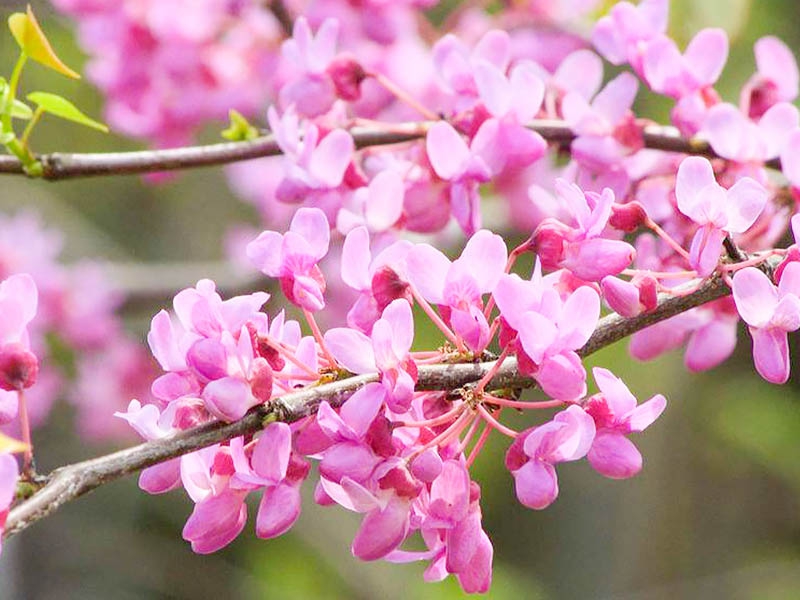
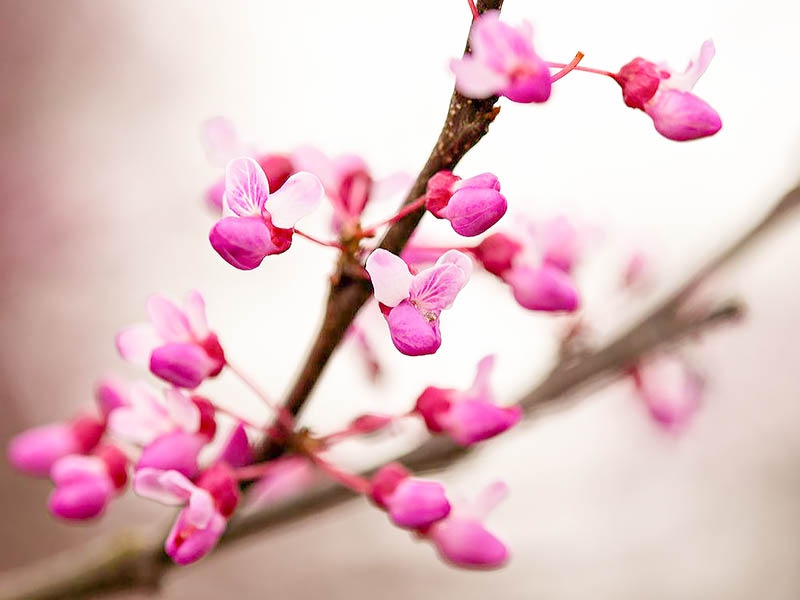
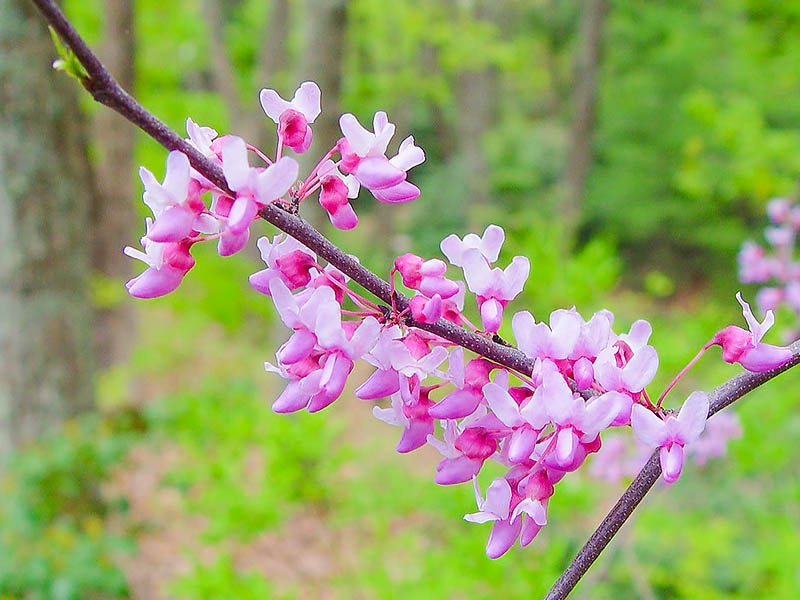
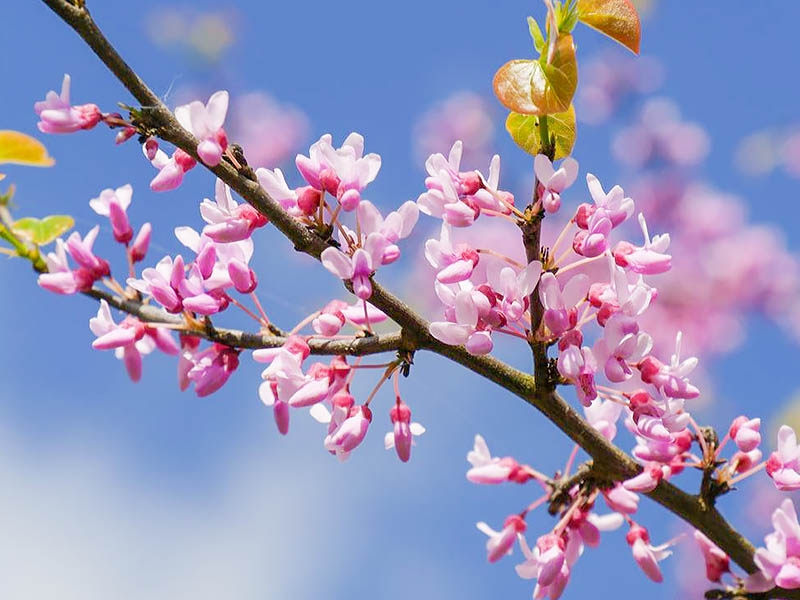
Growth Characteristics It is a deciduous broad-leaved shrub or small tree that typically grows to a height of 6–9 meters. It is characterized by purple flowers that bloom in the spring before the leaves appear. The leaves are heart-shaped, turning dark green in the summer and yellow in the autumn. Generally, it possesses strong cold and drought tolerance and thrives in various soil conditions. Propagation Methods It is primarily propagated through seeds and cuttings. Seeds are collected in the autumn and sown immediately, or stored in the refrigerator and sown in early spring. Cutting propagation is performed using new shoots during the summer. Cultivation Methods It prefers sunny locations but can also grow in partial shade. While it prefers well-drained, uneven soil, it grows well in a variety of soil types. It tolerates dry environments well and grows relatively easily without special care. Uses in Gardens Due to its vibrant spring flowers and autumn leaf color changes, it is widely used as a decorative plant in gardens. In particular, its long flowering period adds beauty to the garden. It also complements natural and wild garden designs well. Important Pests and Diseases and Control Methods While there are usually no serious pests or diseases, leaf spot, branch rot, and whiteflies may occur. For control, periodic pruning and improved ventilation are important. If pests or diseases are detected, use appropriate insecticides or fungicides if necessary. As a natural control method, planting plants that attract pests alongside the plants can also be considered.
Plant Family
legumes
Height
6~9m
Spread
7.5~10cm
Colors
pink
Bloom Period
March to April
Water Needs
commonly
Exposure
Sunny
Freezing Resistance
-30°C
Canadian Forsythia 'Forest Pansy'
Cercis canadensis
'Forest Pansy'
Ghostface cactus
Cereus peruvianus