English
한국어
English
Español
中文
हिंदी
Home
News
Community
Dictionary
English
한국어
English
Español
中文
हिंदी
View list
Large-flowered pine
Chelone glabra
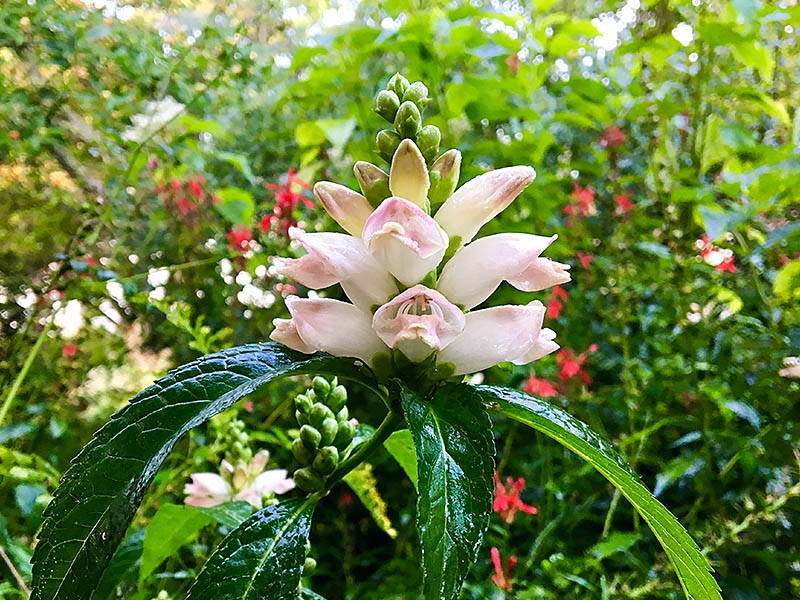
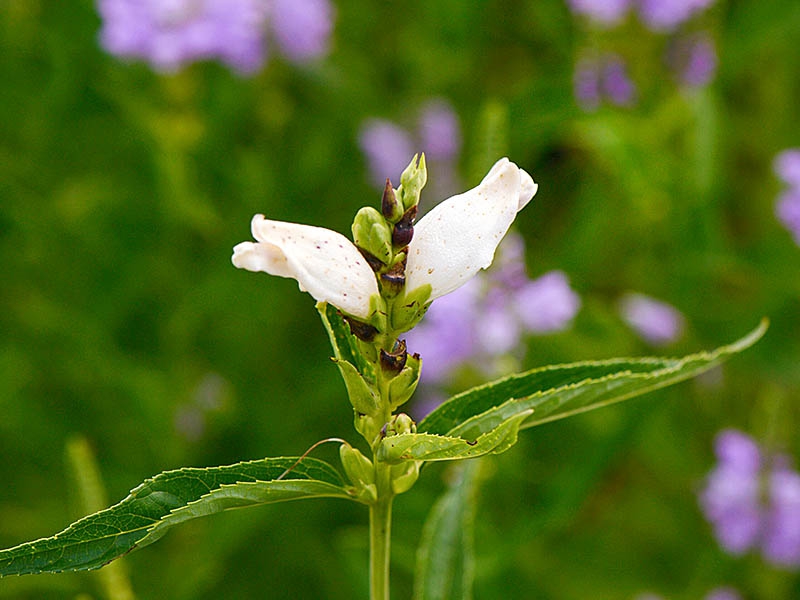
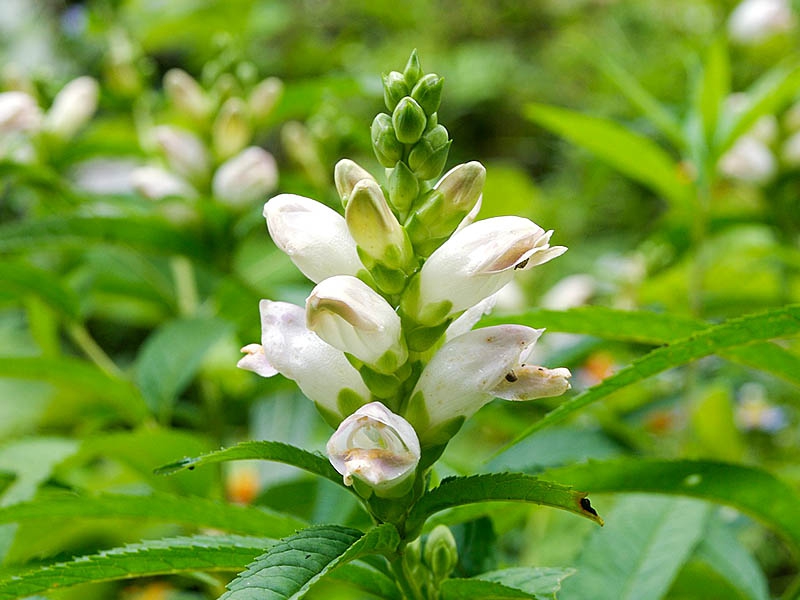
Chelone glabra is a perennial herbaceous plant native to North America, characterized by its growth in wetlands and near water. Growth Characteristics - Sunlight Requirements: It thrives in partial shade; direct sunlight may cause the leaves to burn and discolor. - Soil: It prefers moist soil and grows well in well-drained soil. - Height: It grows to approximately 60 to 90 cm. - Flowering Period: It blooms with white or pink flowers primarily from late summer to early autumn. Propagation Methods - Seed Propagation: Sow seeds in cool temperatures during the spring to germinate. - Root Division: It can be propagated by dividing the roots in the autumn or spring. Cultivation Methods - Selecting a Suitable Location: Choose a location with moisture in partial shade. - Planting: Plant slightly deep and space plants sufficiently apart to ensure good ventilation. 3. Watering: Water sufficiently to ensure the soil always remains moist. - Fertilization: Provide nutrients using organic fertilizer in spring and autumn. Uses in the Garden - Landscape Planting: It can be planted near water or in wetland gardens to create a natural landscape. - Ecological Garden: It is also utilized as a plant to attract insects such as butterflies and bees. Major Pests and Control Methods - Pests and Diseases: Major pests include snails and slugs, which can cause damage by gnawing on the leaves. - Control Methods: Remove them physically or manage them using organic pesticides. Additionally, placing small stones or gravel around the roots can prevent snails from approaching. Glaviculare glabra thrives under suitable conditions and is a useful plant that provides a unique and beautiful landscape in the garden. With careful care, it can be kept healthy for a long time.
Plant Family
Plantaginaceae
Height
60~90cm
Spread
30~90cm
Colors
white
Bloom Period
August
Water Needs
commonly
Exposure
semi-shaded area
Freezing Resistance
-30°C
celandine
Chelidonium majus
subsp.
asiaticum
Jarapongpul
Chelone obliqua