English
한국어
English
Español
中文
हिंदी
Home
News
Community
Dictionary
English
한국어
English
Español
中文
हिंदी
View list
Jarapongpul
Chelone obliqua
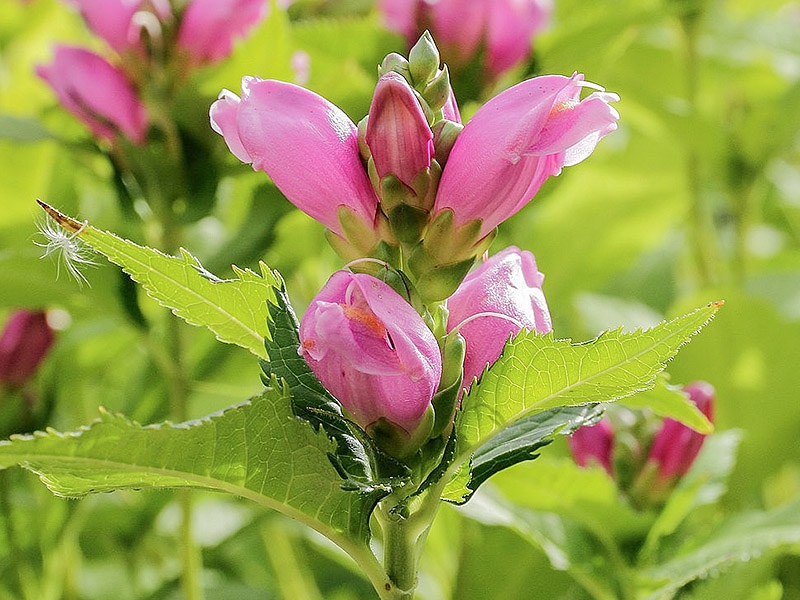
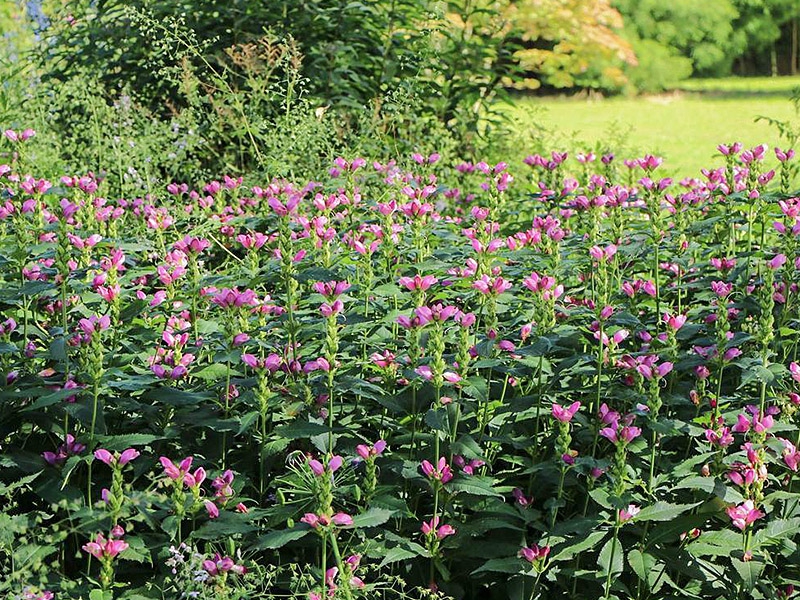
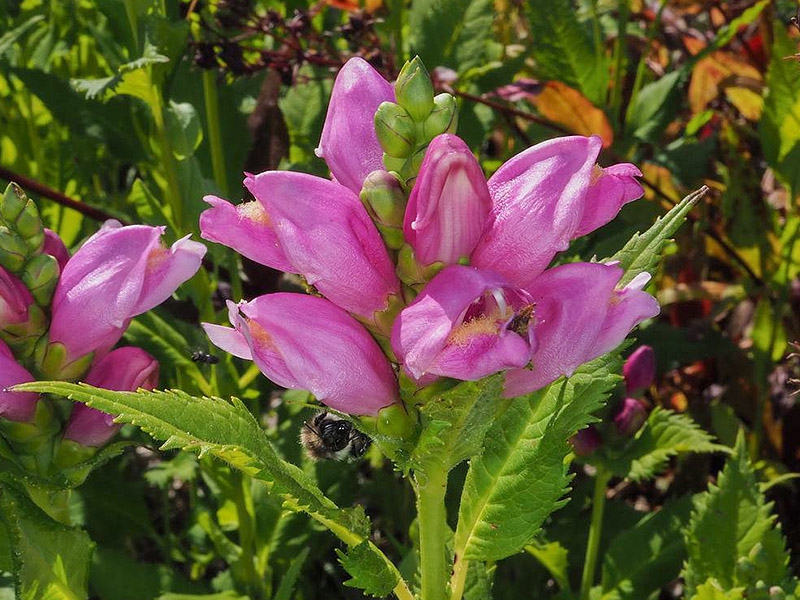
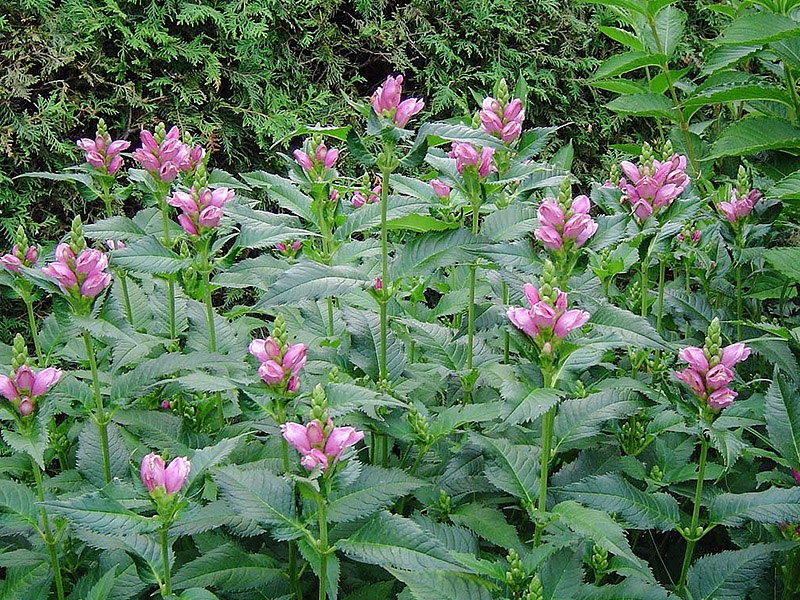
Chelone obliqua is a perennial herbaceous plant native primarily to North America. It is nicknamed "Turtle Head" in English because its unique flower shape resembles a turtle's head. Growth Characteristics- Ecology: It prefers moist environments and thrives in partial shade. - Size: Mature plants typically grow to about 60–90 cm and tend to grow in clumps. - Flowers: It blooms in various colors, including pink, white, and purple, from summer to autumn. Propagation Methods- Seed Propagation: It can be propagated by seeds, which have a relatively high germination rate. Seeds can be sown directly or in pots in late spring. - Division: It can be easily propagated by division in spring or early autumn. Simply cut the roots and plant them in a new location. Cultivation Methods- Soil: It grows well in well-drained, moist soil and prefers slightly acidic soil. - Watering: It is recommended to maintain consistent humidity. Provide sufficient water, especially during dry periods. - Light: It prefers partial shade, but can grow in complete shade. - Fertilizer: Generally, additional nutrient supply is not necessary in fertile soil, but using slow-release fertilizer during the early growing season is beneficial. Garden Uses - Due to its unique flower shape, it serves as a great focal point for flowerbeds or waterside landscaping. It is also useful for ecological gardens as it attracts bees and butterflies. Important Pests and Control Methods - Diseases: Be careful of root rot caused by excessive moisture. Prevent this by maintaining proper drainage and ventilation. - Pests: It is generally resistant to diseases and pests, but it may occasionally suffer damage from aphids or slugs. - Aphid Control: Remove them physically using soapy water or control them naturally using natural predators. - Slug control: They can be effectively controlled by removing them manually or by using attractants or salt treatment. Solidago canadensis is relatively easy to care for and is a plant that can add beauty to your garden with its unique shape and colors.
Plant Family
Plantaginaceae
Height
60~90cm
Spread
30~60cm
Colors
pink
Bloom Period
July~August
Water Needs
commonly
Exposure
Sunny
Freezing Resistance
-30°C
Large-flowered pine
Chelone glabra
Liyongjara Songipul
Chelone lyonii