English
한국어
English
Español
中文
हिंदी
Home
News
Community
Dictionary
English
한국어
English
Español
中文
हिंदी
View list
Liyongjara Songipul
Chelone lyonii
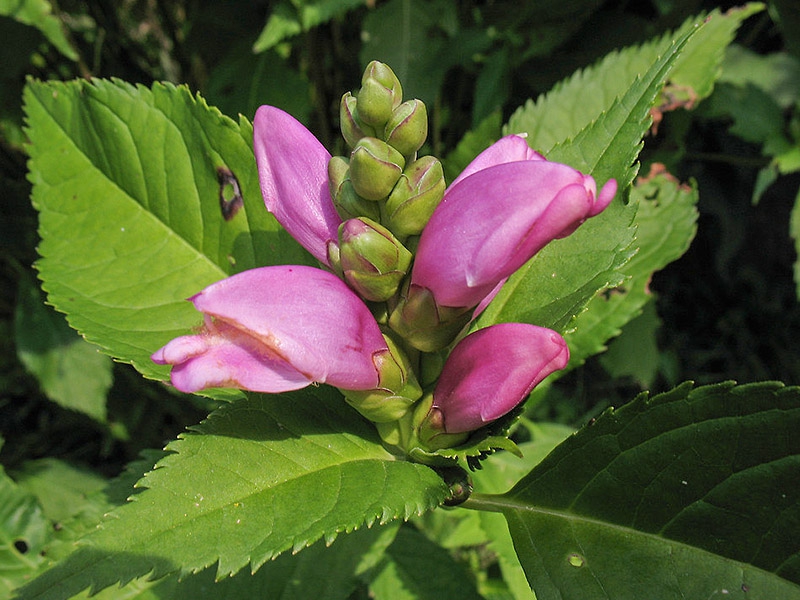
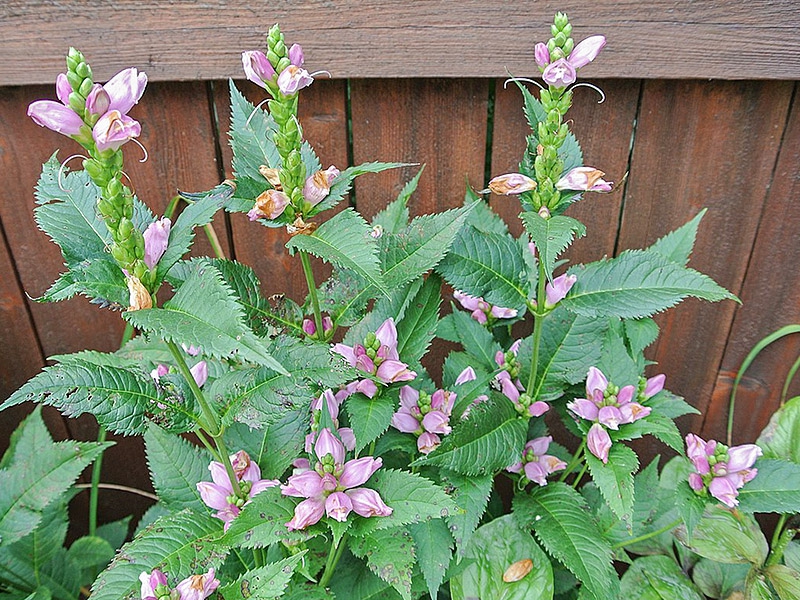
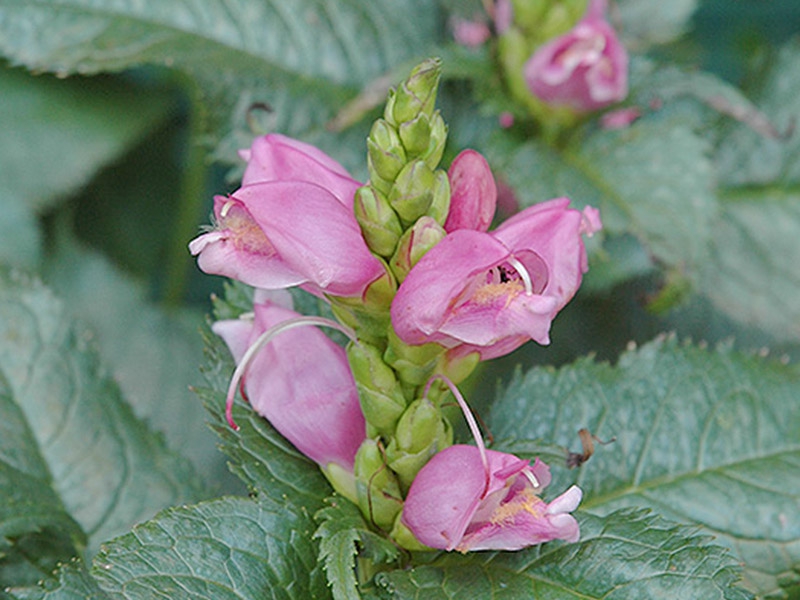
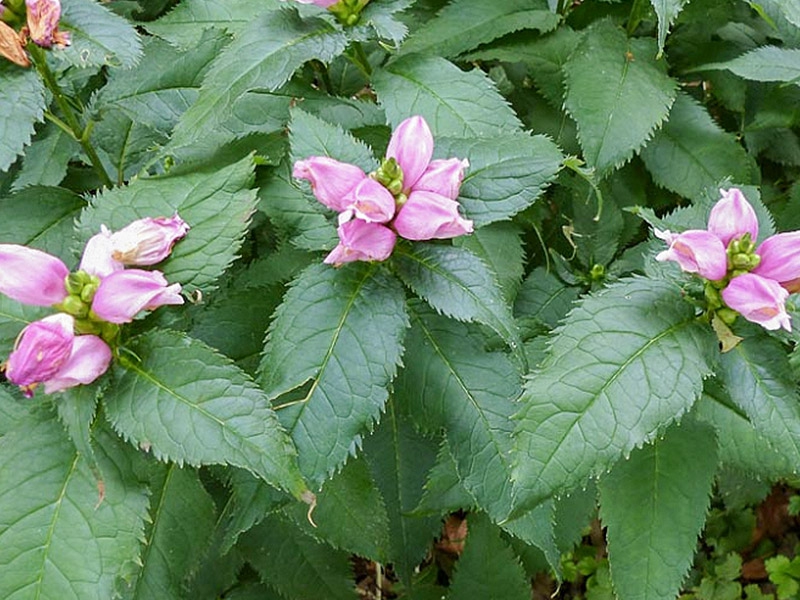
Chelone lyonii, also known as the Lyonii, is a perennial plant that grows primarily in moist forest edges or wetlands. Below, we describe the plant's growth characteristics, propagation methods, cultivation techniques, garden uses, and major pests and diseases, as well as control methods. Growth Characteristics - Height and Width: It typically grows to a height of 60–90 cm and a width of approximately 30–60 cm. - Leaves: The ovate leaves are arranged alternately with serrated margins. - Flowers: It blooms in pink, white, or purple from late summer through autumn. - Environment: It prefers partial shade and thrives in moist soil. A neutral to slightly acidic pH is suitable. Propagation Methods - Seed Propagation: Plant seeds immediately after collection or store them in the refrigerator for sowing the following spring. - Division: It can be propagated by dividing the root ball in spring or autumn. Cultivation Method - Soil Preparation: Soil rich in organic matter is suitable. It is recommended to plant in a well-drained location. - Watering: It prefers moisture, so it should be watered regularly. However, if drainage is excessively poor, root rot may occur. - Fertilization: Apply an appropriate amount of compound fertilizer during the growing season to promote growth. Garden Use - Applications: Suitable for gardens requiring humidity maintenance or for creating semi-shaded gardens. Planting it near water sources can add a natural touch. - Landscaping: Planting in clusters is effective, and it can be placed alongside various trees and shrubs. Important Pests and Control Methods - Diseases: Generally resistant to diseases, but root rot may occur if the soil is excessively wet. - Control: Improve drainage and use fungicides if necessary. - Pests: Aphids and spider mites may occur. - Control: Use eco-friendly insecticides in the early stages or remove them by hand. Utilizing natural predators is also helpful. Based on this information, you can create a beautiful garden by properly managing the Lysimachia japonica.
Plant Family
Plantaginaceae
Height
60~90cm
Spread
60~90cm
Colors
purple
Bloom Period
August
Water Needs
commonly
Exposure
Sunny
Freezing Resistance
-30°C
Jarapongpul
Chelone obliqua
willow goosefoot
Chenopodium acuminatum
subsp.
virgatum