English
한국어
English
Español
中文
हिंदी
Home
News
Community
Dictionary
English
한국어
English
Español
中文
हिंदी
View list
Scented goosefoot
Dysphania pumilio
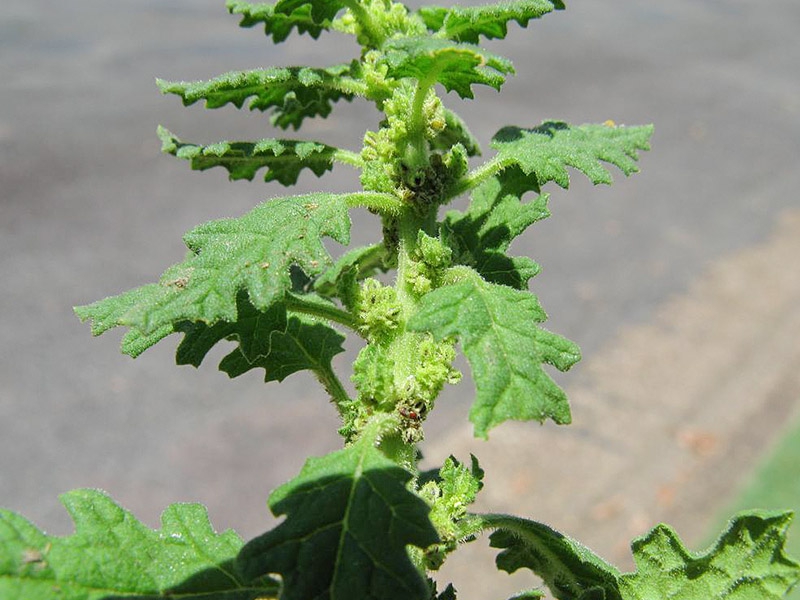
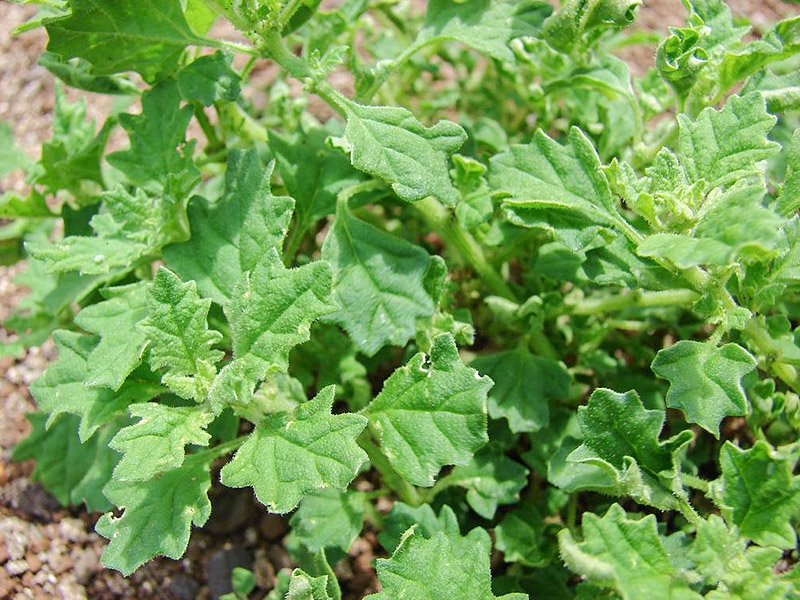
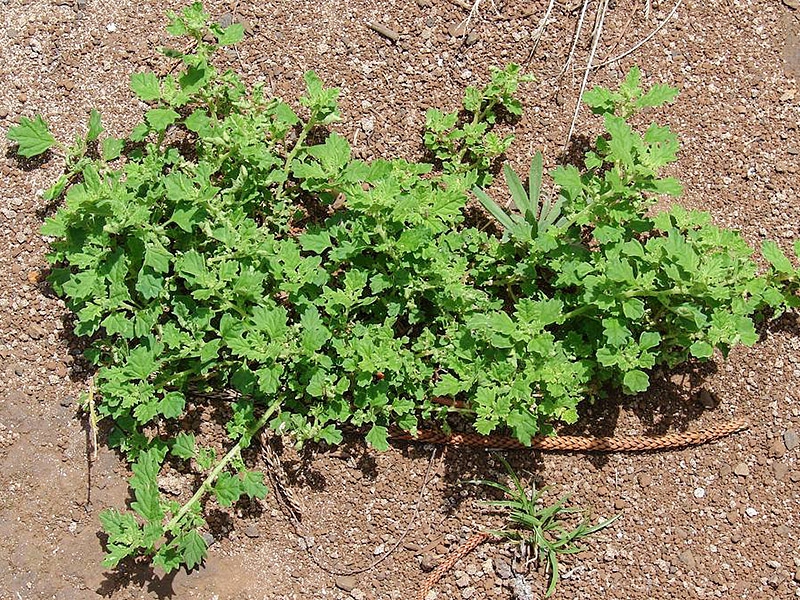
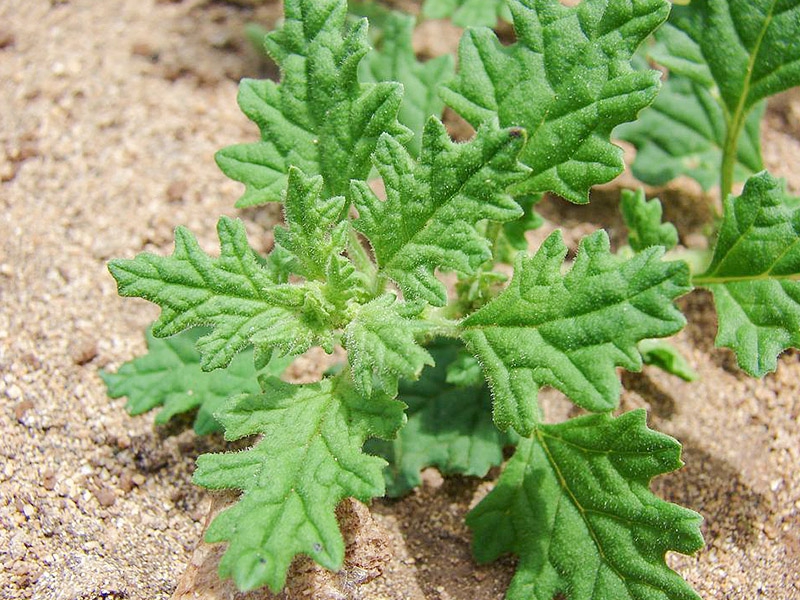
Chenopodium pumilio has the following characteristics regarding growth, propagation, cultivation, garden uses, major pests and diseases, and control methods. Growth Characteristics Chenopodium pumilio is an annual plant native to various regions, including Europe and Asia. Its leaves are pointed and serrated, and the plant as a whole emits a distinctive odor. It prefers sunlight and thrives in well-drained soil. Propagation Methods Chenopodium pumilio is primarily propagated by seeds. Seeds can be sown immediately after harvesting from mature plants. Since the seeds have a high germination rate, propagation is relatively easy. Cultivation Methods - Soil Preparation: Select well-drained soil and enrich it by adding organic matter as needed. - Sowing: Sow seeds directly in spring or early summer. - Water Management: Avoid excessive watering as it dislikes wet environments. However, sufficient water supply is necessary during the early growing season. - Sunlight Management: Plant in a sunny location. Garden Use It is recommended to plant it around the garden perimeter, as its unique leaf scent can help deter pests. Additionally, harmonious placement with other plants can enhance the landscape's aesthetic appeal. Important Pests and Diseases & Control Methods - Diseases: Scented Chenopodium is relatively resistant to diseases, but fungal diseases may occur if the soil is excessively wet. In this case, maintain a well-ventilated environment and use fungicides if necessary. - Pests: Common pests include aphids; these can be physically removed, or organic insecticides can be used if required. By keeping the above points in mind, you will be able to grow healthy Scented Chenopodium.
Plant Family
Chenopodiaceae
Height
30~50cm
Colors
White, green
Bloom Period
July–August
Water Needs
commonly
Exposure
semi-shaded area
Freezing Resistance
-10°C
thin goosefoot
Chenopodium hybridum
needle goosefoot
Dysphania aristata