English
한국어
English
Español
中文
हिंदी
Home
News
Community
Dictionary
English
한국어
English
Español
中文
हिंदी
View list
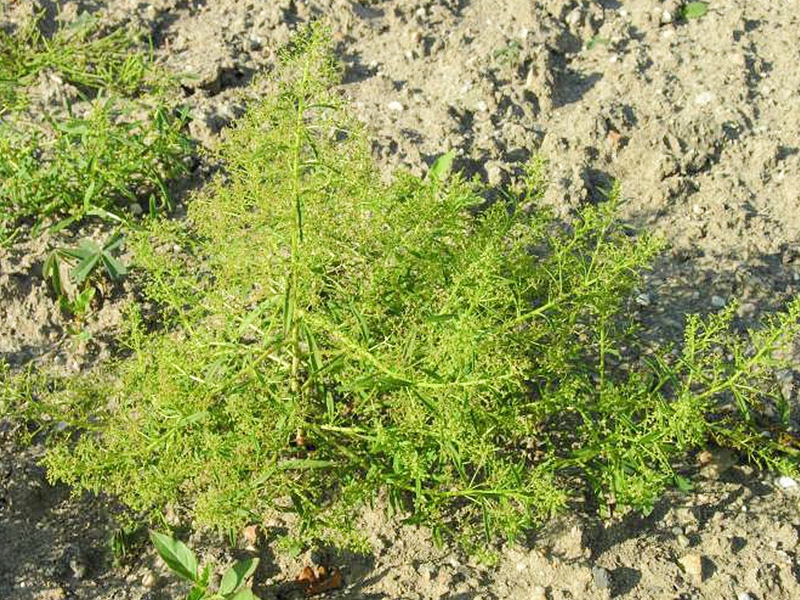
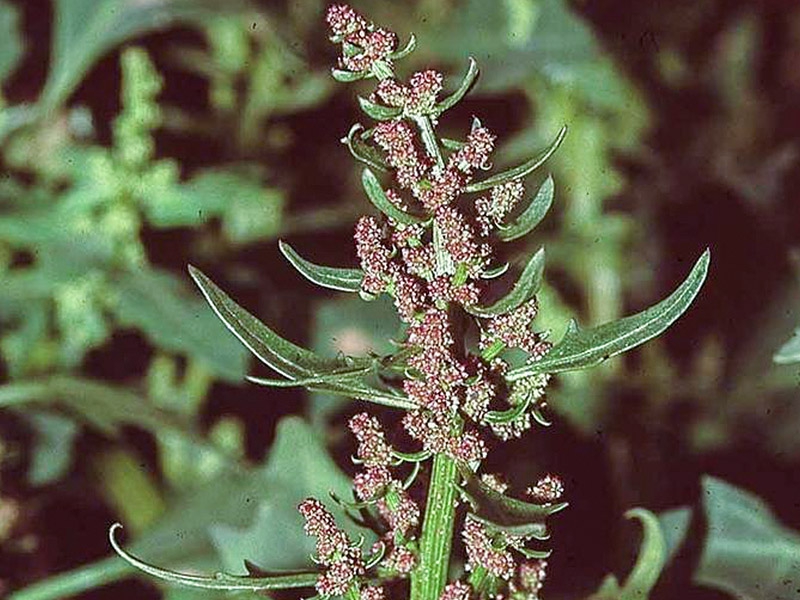
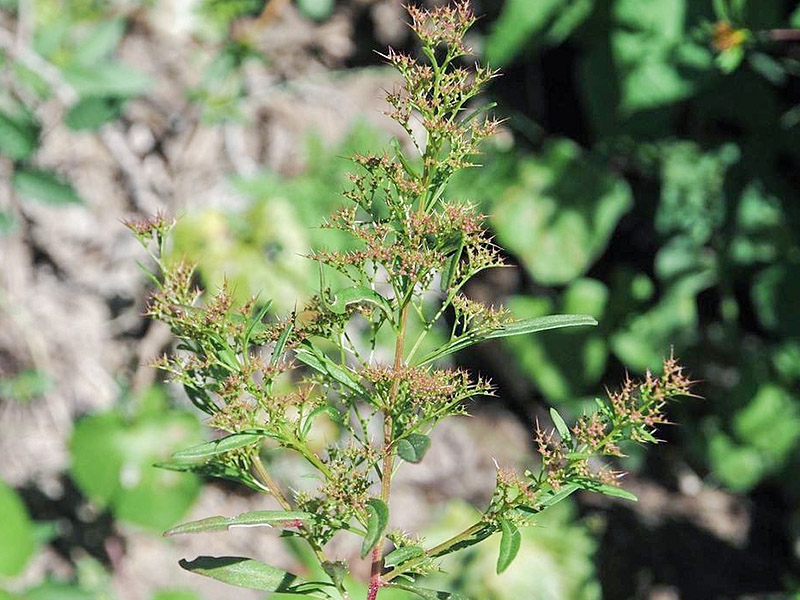
needle goosefoot
Dysphania aristata
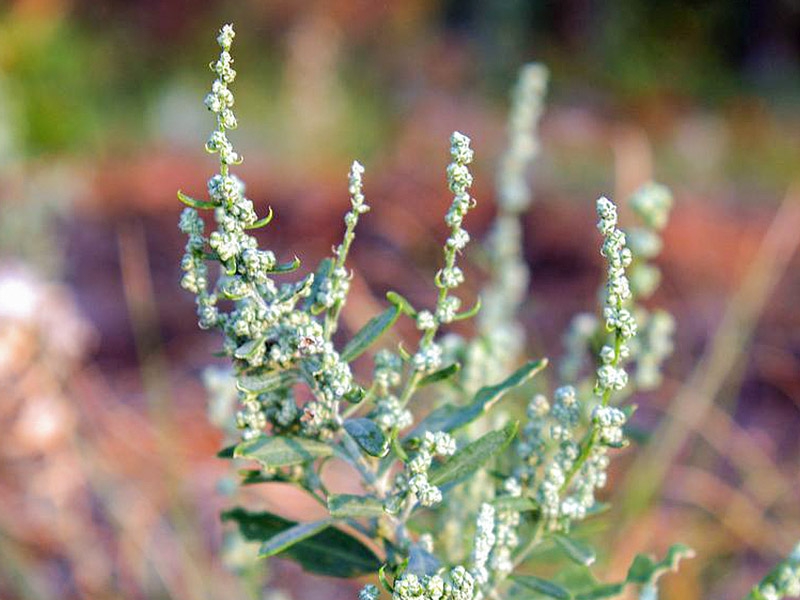
Dysphania aristata Growth Characteristics - Growing Environment: This plant thrives primarily in warm climates and grows well in sunny locations. - Soil Conditions: It prefers well-drained soil, and grows healthier when the soil's nutritional status is good. - Growth Rate: It grows relatively quickly and can propagate rapidly under optimal conditions. Propagation Methods - Seed Propagation: It is primarily propagated by seeds. It can be sown directly or transplanted in the spring. - Cuttings: Propagation is also possible via cuttings when suitable conditions are met. Cultivation Methods - Sowing Season: Spring is the most suitable season, and it is recommended to thoroughly till the soil before planting seeds or seedlings. - Care: Regular watering and weed removal are necessary. It is important to ensure good soil drainage. Uses in Gardens - Due to its distinctive shape and color, it can be used as a decorative plant in gardens or landscaping. - In addition, it emits a unique fragrance during the flowering season, adding vitality to the garden. Important Pests and Diseases & Control Methods- Diseases: It may be susceptible to fungal diseases in humid environments. To prevent this, plant it in a well-ventilated area. - Pests: Common pests include small insects such as aphids; upon early detection, they can be physically removed or treated with appropriate insecticides. - Prevention and Control: Along with the regular use of fungicides, pests and diseases can be prevented in advance through proper care and periodic observation. The information above covers the basic cultivation and care of Chenopodium album. Specific methods may vary depending on the garden environment and climate conditions.
Plant Family
Chenopodiaceae
Height
10∼40cm
Colors
green
Bloom Period
July–August
Water Needs
commonly
Exposure
Sunny
Freezing Resistance
-15°C
Scented goosefoot
Dysphania pumilio
White goosefoot
Chenopodium album