English
한국어
English
Español
中文
हिंदी
Home
News
Community
Dictionary
English
한국어
English
Español
中文
हिंदी
View list
Mulberry tree
Tilia taquetii
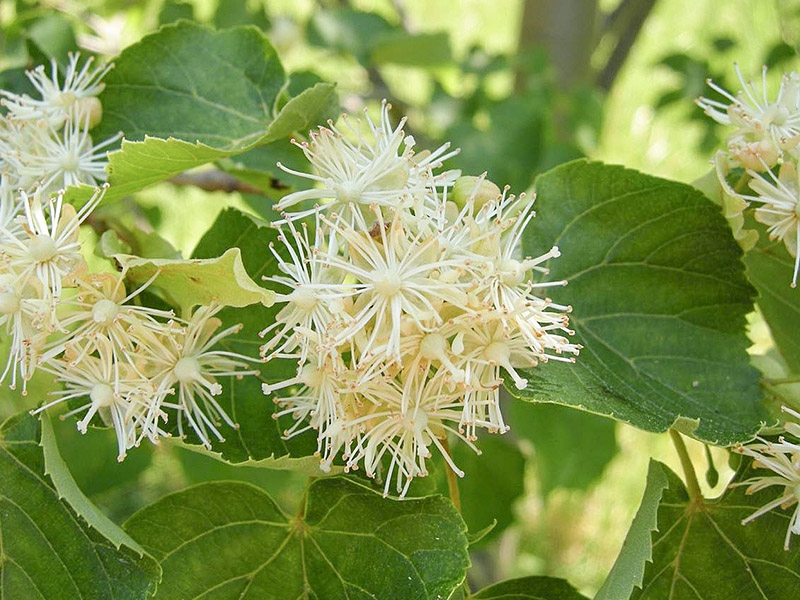
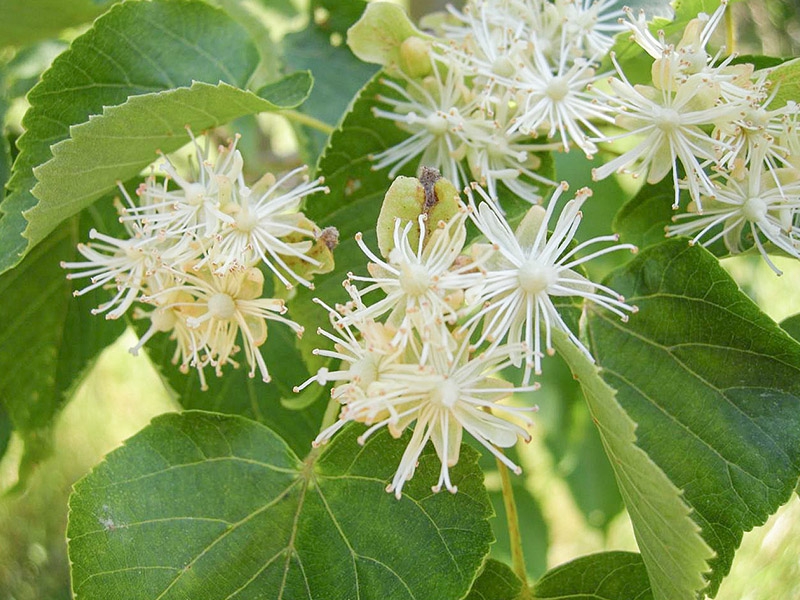
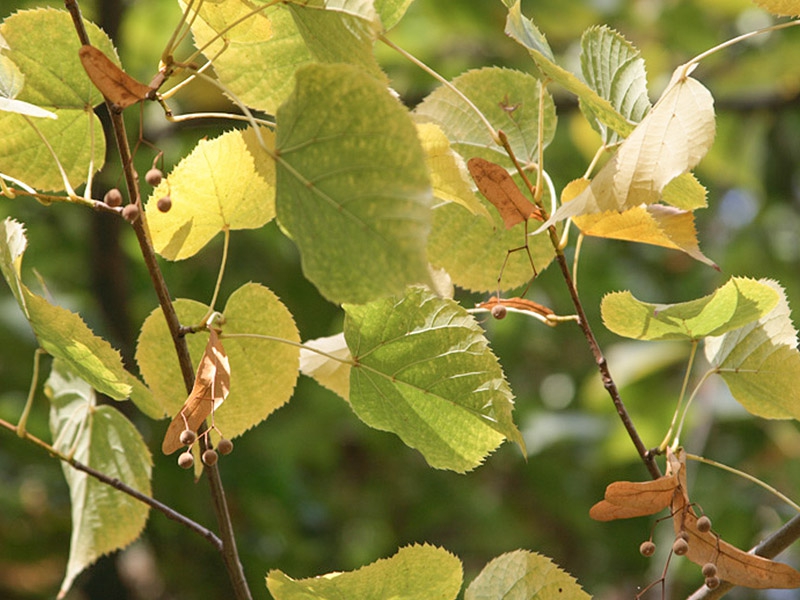
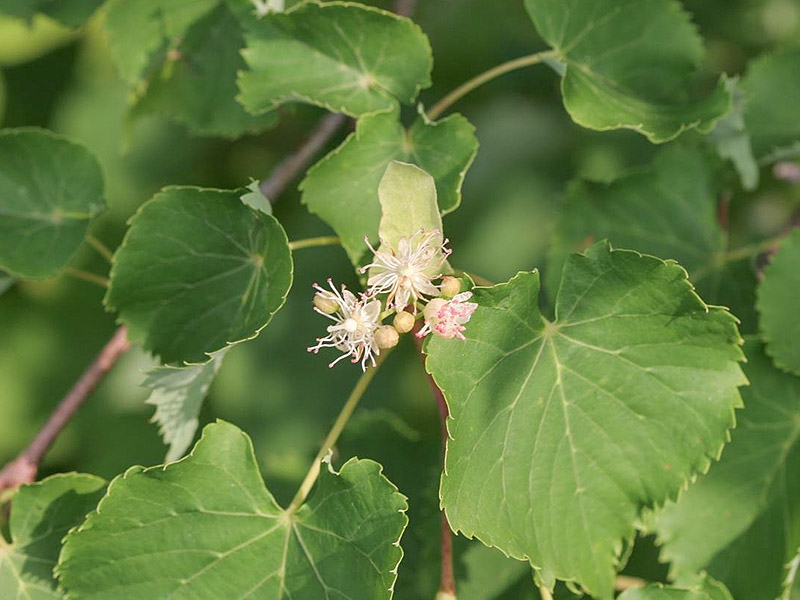
I will explain the growth characteristics, propagation methods, cultivation methods, garden uses, and major pests and diseases and control methods of Tilia taquetii. - Growth Characteristics: Tilia taquetii is a deciduous tree that thrives primarily in temperate regions. It grows to a height of approximately 10 to 20 meters, and its leaves are heart-shaped with serrated edges. Fragrant, yellowish-green flowers bloom in the summer, attracting bees and butterflies. - Propagation Methods: It is generally propagated by seeds or cuttings. For seed propagation, mature fruits are harvested, dried, and then sown. Cuttings are taken from semi-mature buds in the summer, and maintaining appropriate humidity and temperature increases the rooting rate. - Cultivation Methods: Tilia taquetii prefers well-drained soil and sunny locations. Sufficient water supply is important in the early stages, while mature trees can tolerate relatively dry environments. The shape can be maintained by pruning annually as needed. - Use in Gardens: Tilia japonica is widely planted in gardens and parks to provide shade. Its fragrant flowers are attractive for ornamental purposes, and its beautiful form makes it effective for enhancing the landscape. - Major Pests and Diseases and Control Methods: Tilia japonica is relatively resistant to pests and diseases, but it may occasionally be damaged by leaf beetles or aphids. In such cases, periodic use of insecticides or biological control using natural enemies is recommended. If fungal diseases appear on the leaves, early control using appropriate fungicides is necessary. We hope you cultivate healthy Tilia japonica based on this information.
Plant Type
Plant Family
Linden family
Height
4~5m
Spread
Colors
yellow
Bloom Period
June
Water Needs
commonly
Exposure
Sunny
Freezing Resistance
-10°C
Tiger Flower 'Part-timer'
Tigridia pavonia 'Alba'
Prayer bead tree
Tilia mandshurica var. megaphylla