English
한국어
English
Español
中文
हिंदी
Home
News
Community
Dictionary
English
한국어
English
Español
中文
हिंदी
View list
Prayer bead tree
Tilia mandshurica
var.
megaphylla
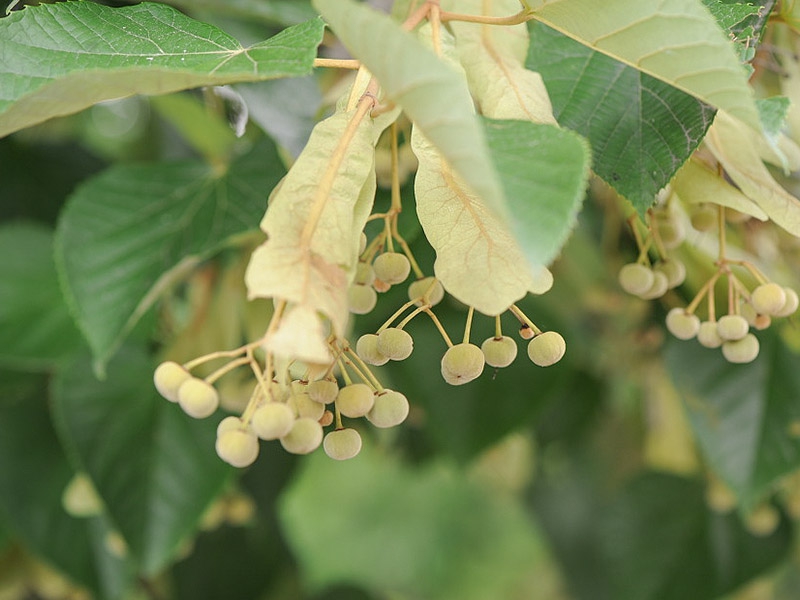
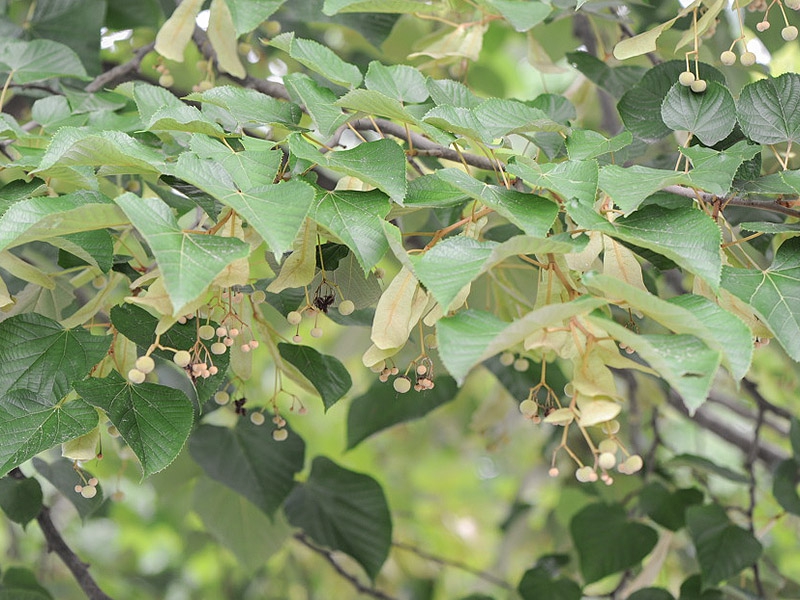
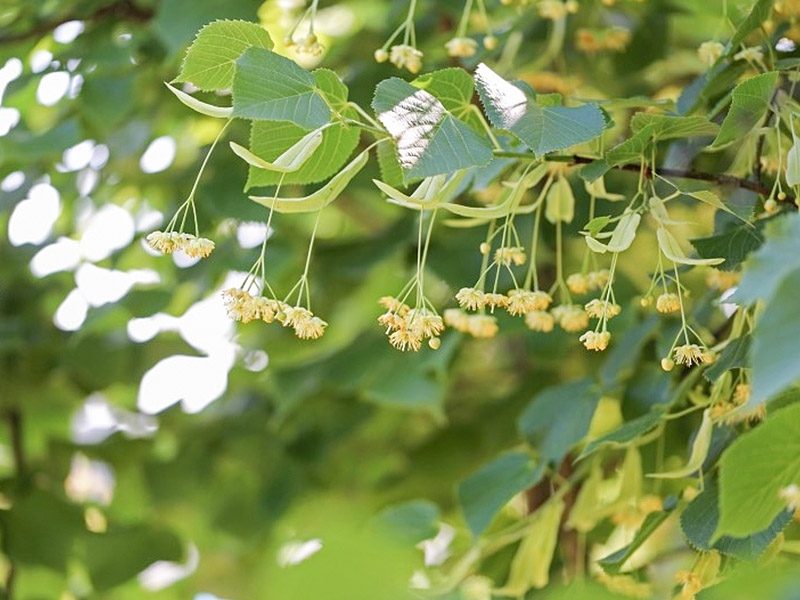
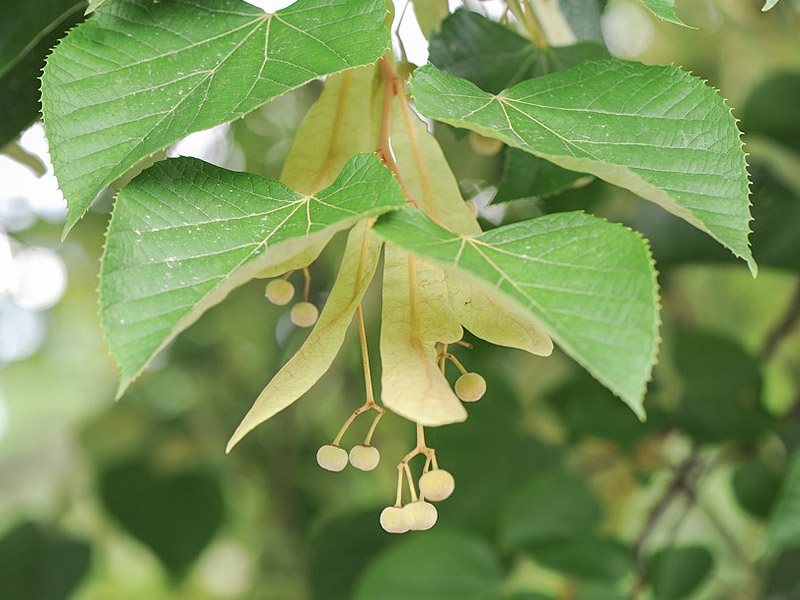
Tilia mandshurica is a tree native primarily to Korea, northeastern China, and Russia. It possesses the following characteristics regarding growth, propagation, cultivation, garden uses, major pests, and control methods. Growth Characteristics - Height and Form: Tilia mandshurica is a large tree that generally grows up to 20 meters tall. It features elegant leaves and dense branches, providing abundant shade. - Climate Conditions: Tilia mandshurica prefers temperate climates and thrives in sunny locations or partial shade. - Soil Conditions: While it prefers fertile, well-drained soil, it is highly adaptable to various soil types. Propagation Methods - Seed Propagation: Tilia mandshurica can be propagated by seeds. Seeds are collected in the autumn, subjected to cold stratification, and sown in early spring. - Cuttings: Propagation is also possible by cutting off branches and planting them during the summer. Rooting rates increase when cuttings are planted in well-moistened sand or perlite. Cultivation Methods - Planting Time: It is best to plant in spring and autumn. - Watering: Proper watering is necessary during the initial establishment period; thereafter, relying on natural rainfall is sufficient. - Fertilizer: If necessary, applying slow-release fertilizer in late winter or early spring is recommended. Uses in the Garden - As a large tree, the Japanese zelkova can provide shade in the garden, making it useful for creating resting areas or landscapes. - Additionally, during the flowering season, it attracts bees and butterflies by providing a beautiful fragrance and nectar. Important Pests and Control Methods - Powdery Mildew: Symptoms resembling white powder appear on the leaves. To prevent this, regular pruning is required to ensure good ventilation. Use an appropriate fungicide if an outbreak occurs. - Aphids: They infest new shoots or leaves and suck sap. Effective control methods include using natural predators, soapy water, or appropriate insecticides. - Leaf beetles: They gnaw on the leaves; in this case, use insect nets or remove them by hand, and use insecticides if necessary. The Japanese zelkova is a relatively easy tree to care for and can be utilized for various purposes if the appropriate conditions are met.
Plant Type
Plant Family
Linden family
Height
5~6m
Spread
Colors
white, yellow
Bloom Period
June
Water Needs
commonly
Exposure
Sunny
Freezing Resistance
-10°C
Mulberry tree
Tilia taquetii
lotus linden
Tilia koreana